

Types of Stone Powder Particle Conveying Methods: An Overview of the Advantages and Features of Pneu
Stone powder, a vital component in numerous industrial sectors such as construction, cement manufacturing, and chemical processing, demands efficient and reliable transport solutions to maintain seamless production workflows. The selection of an appropriate conveying method is critical, as it directly impacts operational efficiency, material integrity, and overall cost-effectiveness. Common methods for handling stone powder particles include pneumatic conveying, mechanical conveying (e.g., belt and screw conveyors), and hydraulic conveying. Each approach has distinct characteristics, making the choice tailored to specific operational needs and material properties.
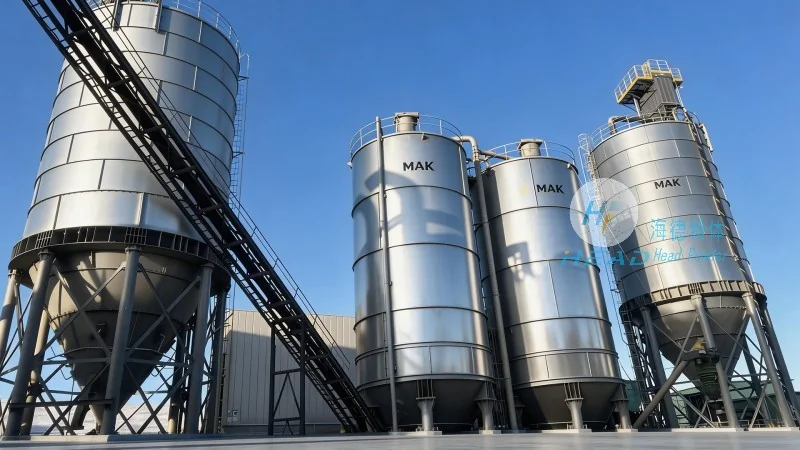
Overview of Pneumatic Conveying for Stone Powder Particles
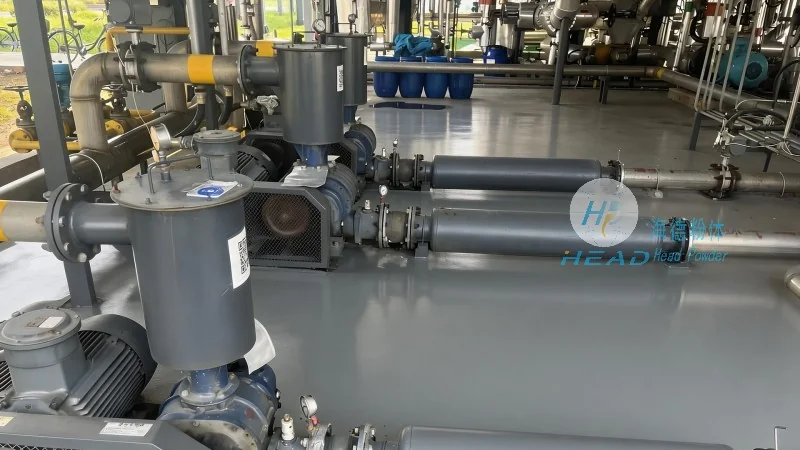
Pneumatic conveying, also known as air conveying, is a widely adopted technique for transporting dry bulk materials like stone powder. This method leverages air pressure or vacuum to move particles through a pipeline system. Unlike mechanical conveyors, which involve physical contact with the material, pneumatic systems minimize wear and tear on equipment. The process typically involves feeding the stone powder into a hopper, where it is then drawn or pushed through the pipeline by compressed air or a vacuum pump. This approach is particularly effective for fine particles and can cover long distances with minimal maintenance, making it suitable for large-scale industrial applications.
Key Advantages of Pneumatic Conveying for Stone Powder
One of the most significant advantages of pneumatic conveying for stone powder is its ability to handle fine and abrasive particles without causing excessive wear on system components. The absence of mechanical parts in contact with the material reduces the risk of contamination and extends the lifespan of the equipment. Additionally, pneumatic systems offer high flexibility in terms of layout and can be easily integrated into existing production lines. They also provide precise control over the flow rate and direction of the material, enabling accurate dosing and distribution. Another key benefit is the reduced need for manual handling, which enhances workplace safety and improves operational efficiency. Furthermore, pneumatic conveying minimizes dust emissions compared to other methods, contributing to better environmental compliance and a cleaner working environment.
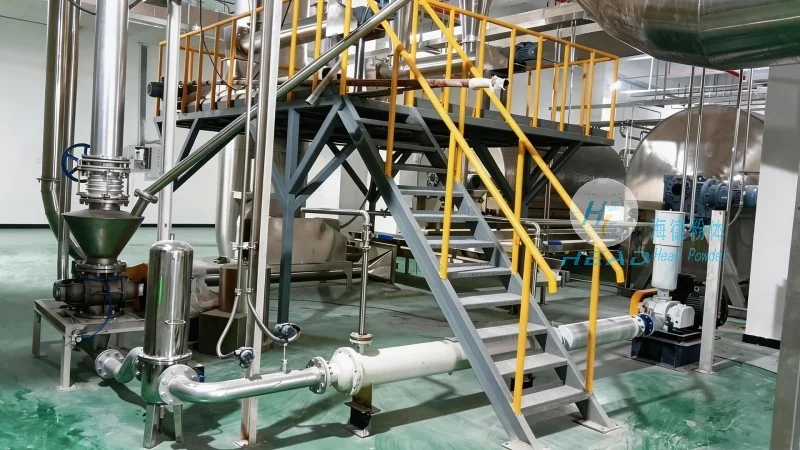
Features and Technical Specifications of Pneumatic Conveying Systems
The effectiveness of pneumatic conveying systems for stone powder hinges on several critical features and technical specifications. The system design must account for the particle size, density, and moisture content of the stone powder, as these factors influence the air velocity required for proper transport. For instance, fine stone powder particles may necessitate higher air velocities to prevent clogging or deposition in the pipeline. The choice of pipeline material, such as stainless steel or high-density polyethylene (HDPE), is also crucial to prevent corrosion and ensure durability. Furthermore, the system should include components like cyclone separators and bag filters to separate the powder from the air and prevent dust emissions, ensuring compliance with environmental regulations. Regular maintenance, including pipeline cleaning and filter replacement, is essential to maintain optimal performance and prevent system failures.
Applications and Industries Using Pneumatic Conveying for Stone Powder
Pneumatic conveying systems are extensively utilized in industries that rely on stone powder, including construction, cement production, and chemical manufacturing. In the construction sector, stone powder is commonly used as a raw material for cement and concrete production. Pneumatic conveying enables efficient transport of these materials from storage silos to production facilities, reducing downtime and improving production throughput. In the chemical industry, stone powder is employed in the production of various products, and pneumatic systems ensure safe and uncontaminated transport. The flexibility of pneumatic systems also makes them ideal for applications requiring frequent changes in material flow direction or quantity, such as in batch processing or quality control processes.
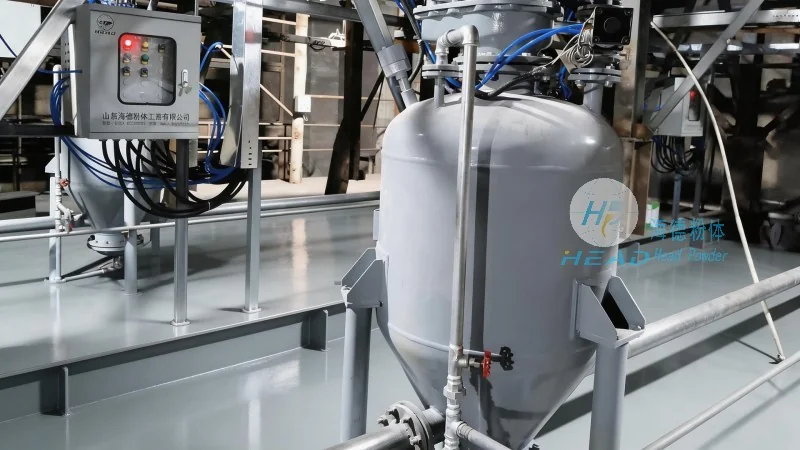
Conclusion: Selecting the Right Conveying Method for Stone Powder
When choosing a conveying method for stone powder, it is essential to consider the specific requirements of the application, including material properties, production scale, and operational environment. While mechanical conveyors may be suitable for certain applications, pneumatic conveying offers significant advantages in terms of efficiency, flexibility, and material handling. For industries dealing with fine and abrasive stone powder particles, pneumatic systems provide a reliable and cost-effective solution. By understanding the advantages and technical considerations of each method, businesses can make informed decisions to optimize their production processes and enhance overall performance. The expertise of companies like Shandong HeadPowder Engineering Co., Ltd., based in China, plays a vital role in designing and implementing efficient pneumatic conveying solutions tailored to the unique needs of industrial clients.