

Common Methods for Silicon Carbide Conveying
When it comes to the efficient handling and transportation of silicon carbide (SiC), selecting the right conveying method is crucial for optimizing industrial processes. Silicon carbide, a hard, abrasive material widely used in manufacturing, requires specialized equipment and techniques to ensure safe and effective movement. This article explores the common methods for silicon carbide conveying, highlighting the key considerations and applications in industrial settings.
Understanding Silicon Carbide and Conveying Needs
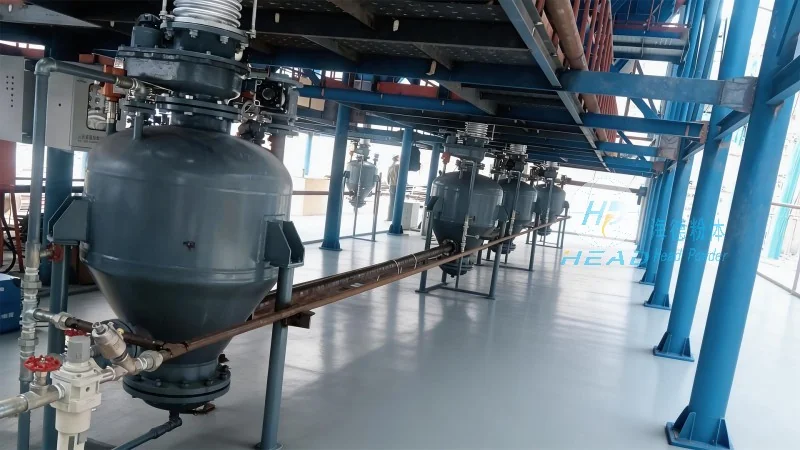
Silicon carbide is a synthetic ceramic material known for its high hardness, thermal stability, and chemical resistance. It is commonly used in abrasive tools, refractory materials, and semiconductor components. Due to its abrasive nature, conventional conveying systems may not be suitable, as they can quickly wear out or cause operational issues. Therefore, specialized conveying methods are essential to maintain efficiency and prolong equipment lifespan.
Common Conveying Methods for Silicon Carbide
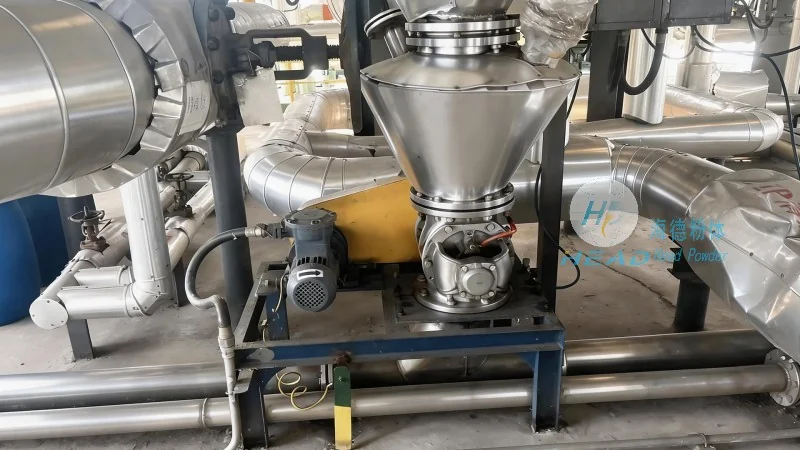
Several methods are widely used for silicon carbide conveying, each with its own advantages and applications. The choice of method depends on factors such as material properties, process requirements, and environmental considerations. Below are the most common approaches:
1. Mechanical Conveying Systems
Mechanical conveying systems are among the most traditional methods for handling bulk materials, including silicon carbide. These systems typically use components like screw conveyors, belt conveyors, and bucket elevators to transport material. For silicon carbide, specialized designs are often employed to mitigate wear and ensure smooth operation. For instance, screw conveyors with hardened steel or ceramic liners can effectively move SiC without excessive friction. Belt conveyors, equipped with high-quality rubber or synthetic belts, are also used for horizontal and slight incline transport. These mechanical systems are particularly suitable for applications where a continuous, low-speed flow is required.
2. Pneumatic Conveying Systems
Pneumatic conveying, or air-powered systems, is another common method for silicon carbide transport. This technique uses compressed air to move material through a pipeline. There are two main types: dilute-phase and dense-phase conveying. Dilute-phase systems are ideal for transporting fine or powdery SiC over short to medium distances, as they rely on high-velocity air to suspend the material. Dense-phase systems, on the other hand, use lower air velocities and higher material concentrations, making them suitable for longer distances and more abrasive materials. Pneumatic conveying offers advantages such as minimal maintenance, the ability to handle dusty environments, and the option for enclosed systems to control dust emissions. However, it requires careful design to prevent material degradation and ensure consistent flow rates.
3. Hydraulic Conveying Systems
Hydraulic conveying systems utilize water or other fluids to transport silicon carbide. This method is particularly effective for handling wet or slurry-based SiC, where the material is mixed with water to form a slurry. The slurry is then pumped through pipelines using hydraulic pumps. Hydraulic systems are commonly used in applications like mining and mineral processing, where the material is extracted from ore and needs to be transported to processing facilities. These systems are capable of handling high volumes of material and can operate over long distances. However, they require additional equipment for slurry preparation and dewatering, and the presence of water may affect the material's properties, such as its hardness or electrical conductivity.
4. Vibratory Conveying Systems
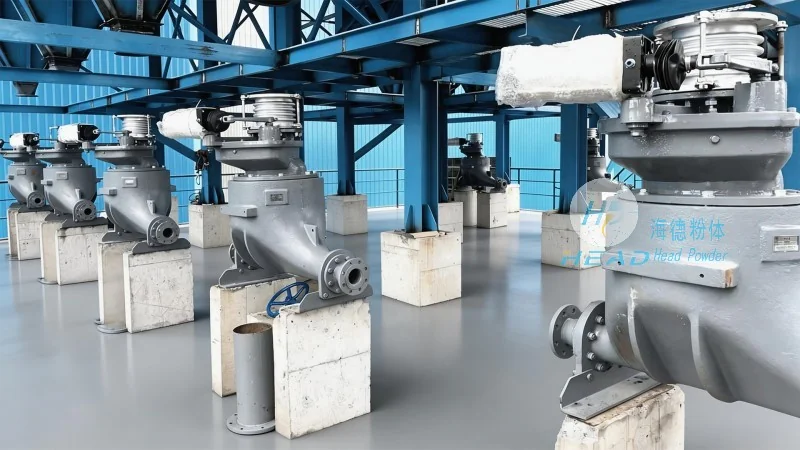
Vibratory conveying systems use vibration to move silicon carbide along a trough or conveyor. The material is placed on a vibrating surface, which causes it to move forward due to the vibration's frequency and amplitude. This method is effective for handling dry, free-flowing SiC and is often used in applications where gentle handling is required to prevent material degradation. Vibratory conveyors are typically low-maintenance and can operate continuously without the need for high speeds. They are suitable for both horizontal and slight incline transport and are commonly used in industries like ceramics and refractory manufacturing. The key advantage of vibratory systems is their ability to handle abrasive materials without excessive wear on the conveying equipment.
5. Air-Lift Conveying Systems
Air-lift conveying systems are a specialized type of pneumatic system that uses the principle of buoyancy to transport silicon carbide. In this method, compressed air is introduced into a vertical pipe, creating a low-pressure zone that lifts the material upward. The material is then discharged at the top of the pipe. Air-lift systems are particularly useful for vertical transport of SiC, as they can handle high material loads and operate with minimal mechanical parts. These systems are often used in applications where vertical movement is necessary, such as in processing plants where material needs to be elevated to different levels. The main advantage of air-lift systems is their simplicity and low maintenance, as they rely on air pressure rather than mechanical components.
Key Considerations for Silicon Carbide Conveying
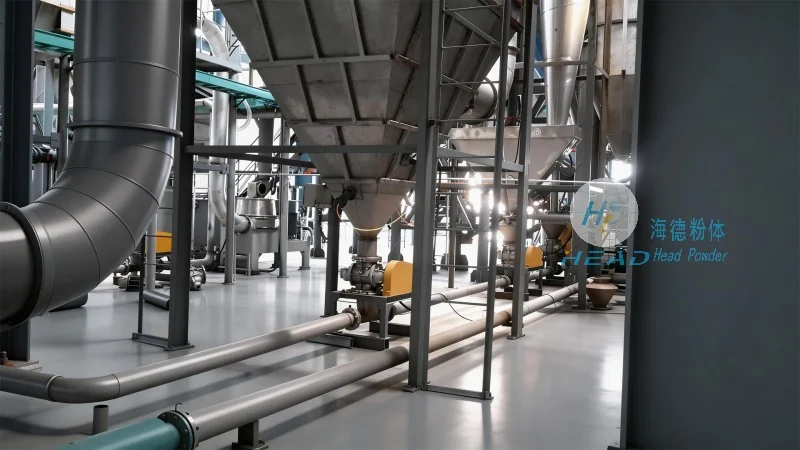
When selecting a conveying method for silicon carbide, several factors must be considered to ensure optimal performance and longevity of the equipment. First, the material's properties, such as its hardness and abrasiveness, play a critical role in determining the appropriate system. Silicon carbide's high hardness means that conveying components must be made from durable materials, such as hardened steel or ceramic, to resist wear. Second, the process requirements, including the required flow rate, distance, and environmental conditions, must be evaluated. For example, if the material needs to be transported over long distances or in dusty environments, a closed system like a pneumatic conveyor may be more suitable. Third, cost and maintenance considerations are important. While some systems may have higher initial costs, they may offer lower long-term maintenance expenses due to their durability and efficiency.
Conclusion
Choosing the right conveying method for silicon carbide is essential for maintaining operational efficiency and extending equipment lifespan. Mechanical, pneumatic, hydraulic, vibratory, and air-lift systems each offer unique advantages and are suitable for different applications. By considering the material's properties, process requirements, and environmental factors, industrial operators can select the most appropriate conveying system for their needs. As a leading provider of specialized conveying solutions, Shandong HeadPowder Engineering Co., Ltd. offers tailored equipment and expertise to meet the unique demands of silicon carbide handling. With a focus on durability, efficiency, and safety, HeadPowder ensures that industrial processes involving silicon carbide are optimized for performance and longevity.