Công ty TNHH Kỹ thuật Headpowder Sơn Đông chuyên vận chuyển khí nén bột và hạt. Nhờ thế mạnh hợp tác doanh nghiệp‑trường‑viện, chúng tôi cung cấp giải pháp vận chuyển kín, không bụi, độ chính xác cao.
For industries dealing with silicone powder, selecting the right conveyance method is crucial for efficiency, product integrity, and operational safety. Shandong HeadPowder Engineering Co., Ltd., a leading provider in the field, specializes in solutions tailored to the unique challenges of handling silicone powders. This article explores the primary methods of silicone powder conveyance, offering insights into their applications and benefits.
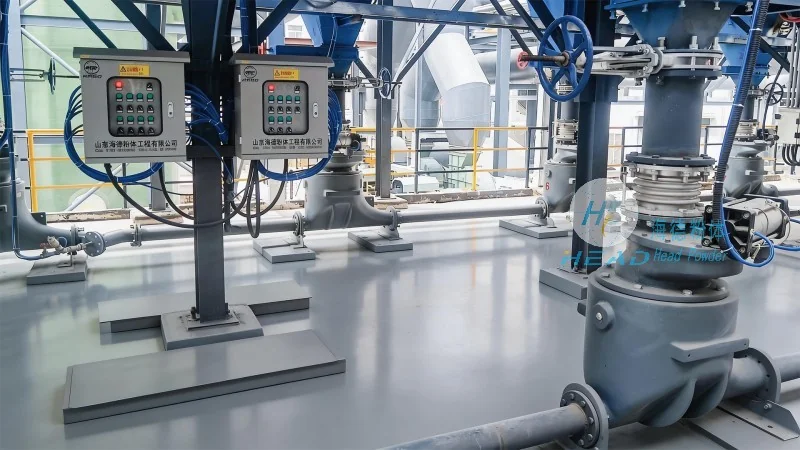
Understanding the Importance of Proper Conveyance for Silicone Powder
Silicone powder, with its fine particle size and potential for static charge, requires specialized handling to prevent caking, segregation, and loss of product quality. Traditional bulk material handling methods may not be suitable due to the material's properties. Effective conveyance ensures consistent flow, reduces downtime, and maintains the powder's purity and performance characteristics. At HeadPowder, we recognize these challenges and develop systems that address them through advanced technology and engineering expertise.
Common Methods of Silicone Powder Conveyance
Several conveyance techniques are widely used for silicone powder, each with its own advantages and specific use cases. The choice of method depends on factors such as material characteristics, plant layout, and production requirements. Below are the primary methods employed by industries:
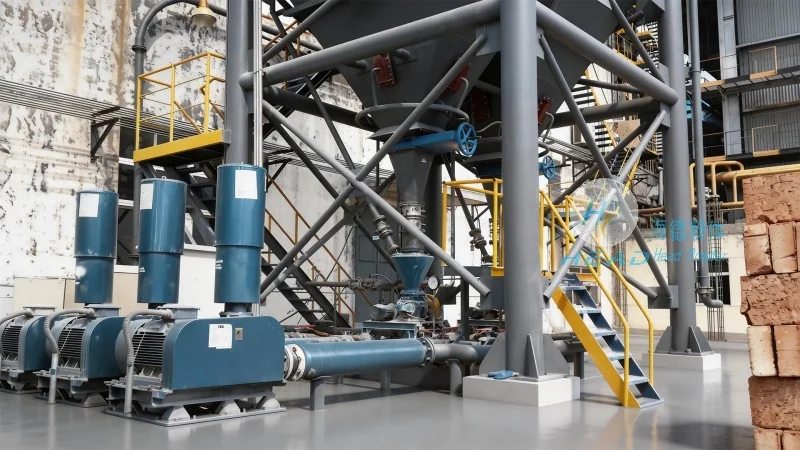
1. Air-Driven Pneumatic Conveying Systems
Pneumatic conveying is one of the most common methods for transporting silicone powder. This technique uses compressed air to move the material through a pipeline. There are two main types: pressure and vacuum systems. Pressure systems push the powder forward using positive pressure, while vacuum systems draw the material into the system using negative pressure. Pneumatic conveying is ideal for long-distance transport and can handle both low and high volumes of material. It minimizes product contact with equipment, reducing contamination risks. HeadPowder offers customized pneumatic systems that ensure efficient and reliable transport of silicone powder, maintaining particle integrity and preventing agglomeration.
2. Screw Conveyors for Silicone Powder Handling
Screw conveyors, also known as auger conveyors, are another effective method for conveying silicone powder. These systems use a rotating screw (auger) to move material along a trough. Screw conveyors are suitable for horizontal or slight incline applications and are particularly useful for handling free-flowing powders. They provide consistent flow rates and can be integrated with other processing equipment. At HeadPowder, our screw conveyors are designed with smooth, corrosion-resistant materials to prevent silicone powder from sticking or caking on the conveyor surface. This ensures continuous operation and reduces maintenance needs.
3. Vibratory Conveyors for Efficient Silicone Powder Transport
Vibratory conveyors utilize vibration to move silicone powder through a trough. The vibration causes the material to move forward, often with minimal pressure on the powder. This method is effective for handling materials with poor flow characteristics or those prone to bridging. Vibratory conveyors are gentle on the material, preserving its quality and preventing damage. They are commonly used in applications where gentle handling is required, such as in food or pharmaceutical industries, though they are equally suitable for silicone powder. HeadPowder's vibratory systems are engineered to optimize the conveying process, ensuring smooth and consistent movement of silicone powder while maintaining low energy consumption.
4. Hydraulic Conveying Systems for Specialized Applications
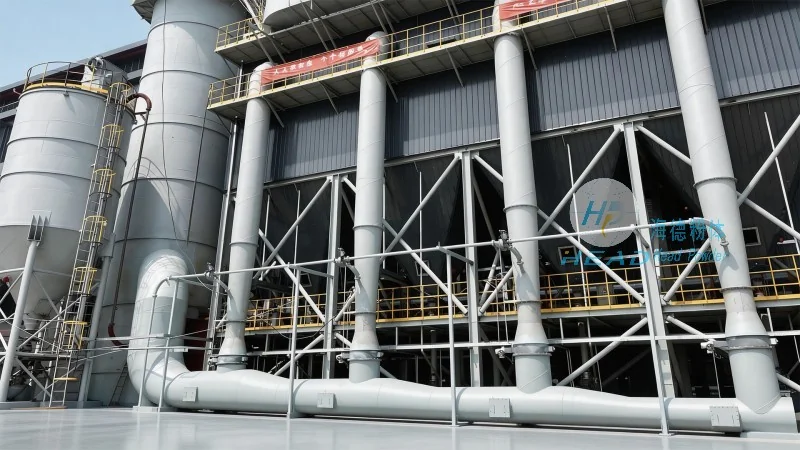
Hydraulic conveying systems use fluid to transport silicone powder, typically in a slurry form. This method is suitable for materials that are difficult to handle dry, such as highly abrasive or fine powders. Hydraulic systems can handle high volumes and long distances, making them ideal for large-scale operations. However, they require careful control of fluid properties and system maintenance. HeadPowder provides hydraulic solutions tailored to the specific needs of silicone powder, ensuring efficient and reliable transport while minimizing environmental impact.
Choosing the Right Conveyance Method for Your Silicone Powder Operations
Selecting the appropriate conveyance method for silicone powder requires careful consideration of several factors. The first step is to evaluate the material's physical properties, including particle size, density, and flowability. Next, the plant layout and production scale must be assessed to determine the most suitable system. For example, pneumatic conveying may be preferred for long-distance transport, while screw or vibratory systems are better for shorter distances or when gentle handling is critical. HeadPowder's engineering team works closely with clients to analyze their specific needs and recommend the most effective conveyance solution. Our expertise in silicone powder handling ensures that the chosen method maximizes efficiency, minimizes downtime, and maintains product quality.
Conclusion
Effective conveyance of silicone powder is essential for maintaining operational efficiency and product integrity. Shandong HeadPowder Engineering Co., Ltd. offers a range of conveyance solutions, including pneumatic, screw, vibratory, and hydraulic systems, tailored to the unique requirements of each application. By understanding the properties of silicone powder and selecting the appropriate conveyance method, industries can enhance their processing capabilities and ensure consistent, high-quality output. HeadPowder's commitment to innovation and customer satisfaction makes us a trusted partner in silicone powder handling solutions.

 Shandong Headpowder Engineering Co., Ltd.
 156-6277-7102(Quản lý Trương)
  0531-83386006
  Thành phố Tế Nam, Tỉnh Sơn Đông, Trung Quốc
Điện thoại
WeChatTư vấn
Lên đầu