

What Methods Can Be Used for Dry Material Conveying?
Efficient dry material conveying is a critical component of many industrial operations, impacting productivity, safety, and overall process reliability. The choice of conveying method directly influences how effectively materials are moved from one point to another, and selecting the right system is essential for optimizing workflow and minimizing operational costs. This article delves into the various methods available for dry material conveying, providing insights into their applications, advantages, and how companies like Shandong HeadPowder Engineering Co., Ltd., or HeadPowder, can help implement effective solutions.
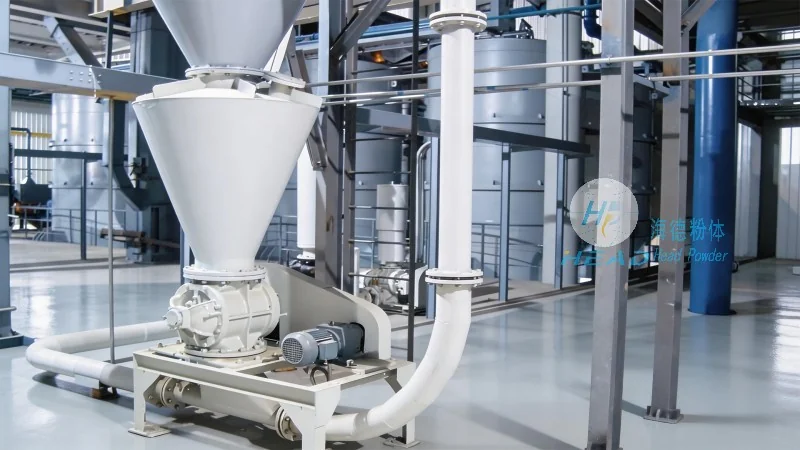
1. Screw Conveyors: A Time-Tested Solution for Horizontal and Inclined Transport
Screw conveyors, also known as auger conveyors, have been a staple in material handling for decades. These systems operate by using a rotating helical screw (auger) to push dry materials forward through a U-shaped or cylindrical housing. The design allows for both horizontal and inclined transport, making them versatile for various industrial settings. Screw conveyors are particularly effective for free-flowing, non-abrasive materials such as grains, powders, and small pellets. Their compact footprint and low maintenance requirements make them a popular choice for applications where space is limited or where frequent maintenance is undesirable. HeadPowder, with its expertise in engineering and manufacturing, offers customized screw conveyor solutions tailored to specific operational needs. Their designs incorporate features like variable speed drives, material feeders, and discharge mechanisms that enhance efficiency and ensure smooth material flow. By leveraging their experience, clients can achieve reliable and cost-effective dry material transport, minimizing downtime and maximizing throughput.
2. Pneumatic Conveying Systems: Controlling Dust and Handling Hazardous Materials
Pneumatic conveying systems represent a modern approach to dry material transport, especially for materials that are dusty, abrasive, or require containment to prevent environmental contamination. These systems utilize air or other gases to move material through a pipeline, with two primary types: pressure and vacuum. Pressure systems use compressed air to push material forward, while vacuum systems draw material into the system using a vacuum pump. Pneumatic conveying offers significant advantages, including dust-free operation, the ability to transport materials over long distances, and flexibility in handling a wide range of particle sizes. It is widely used in industries such as pharmaceuticals, food processing, and chemicals, where maintaining product purity and safety is critical. HeadPowder provides comprehensive pneumatic conveying solutions, including material feeders, separation equipment, and control systems. Their expertise ensures that clients receive systems designed to handle specific material characteristics, with features like dust collection, material separation, and automated control to enhance safety and efficiency. By implementing pneumatic conveying, companies can achieve safe, efficient, and environmentally responsible material handling.
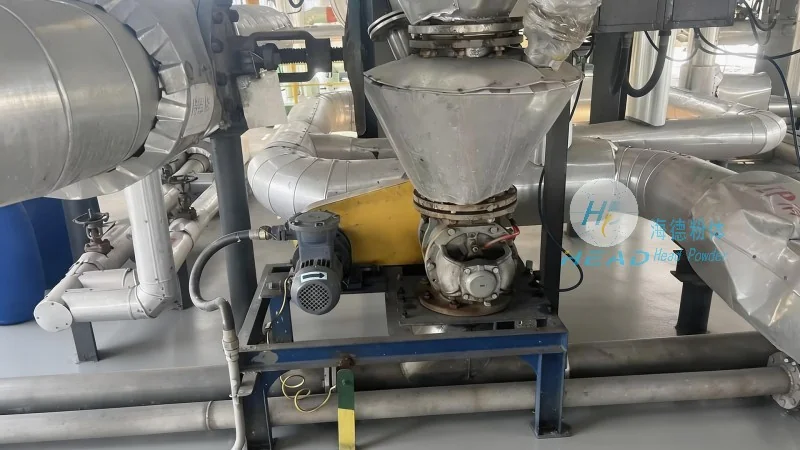
3. Belt Conveyors: High-Capacity and Versatile Bulk Transport
Belt conveyors are among the most common and robust equipment for transporting dry bulk materials. These systems consist of a continuous belt that moves over rollers or pulleys, carrying the material from one point to another. Belt conveyors are ideal for high-capacity applications, such as in mining, construction, and agriculture, where large volumes of material need to be moved over long distances. They can handle a wide variety of materials, including coarse grains, crushed ores, and even wet or sticky substances with appropriate modifications. The design of belt conveyors allows for both horizontal and inclined transport, making them adaptable to different operational layouts. HeadPowder specializes in designing and manufacturing customized belt conveyor systems that meet specific throughput and material handling requirements. Their solutions include features like variable speed drives, material feeders, and safety sensors to ensure reliable performance and durability in demanding environments. By choosing a belt conveyor system from HeadPowder, clients can achieve efficient bulk material transport that supports their production goals and minimizes operational disruptions.
4. Bucket Elevators: Vertical Transport for Dry Materials in Multi-Level Facilities
For industrial processes that require vertical movement of dry materials, bucket elevators are an efficient and reliable solution. These systems use a continuous chain with attached buckets that move up and down within a vertical housing. As the buckets ascend, they scoop up material and discharge it at the top, while descending buckets return to the bottom to repeat the process. Bucket elevators are highly efficient for vertical material handling, capable of transporting materials at high speeds and over significant heights. They are commonly used in industries like cement production, flour milling, and chemical processing, where vertical movement is necessary to move materials between different levels of a facility. HeadPowder's expertise in bucket elevator design ensures that clients receive equipment that is both efficient and safe. Their systems incorporate features like overload protection, material discharge control, and vibration dampening to prevent blockages and ensure smooth operation. By implementing bucket elevators, companies can optimize vertical material transport, reducing the need for multiple horizontal conveyors and improving overall process flow.
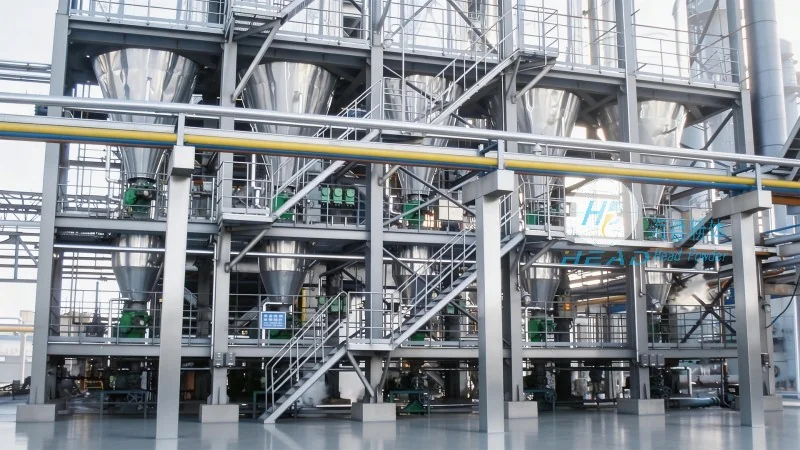
5. Vibrating Conveyors: Gentle and Efficient Handling for Sensitive Materials
Vibrating conveyors utilize vibrations to move dry materials along a trough, making them particularly suitable for materials that are sensitive to impact or abrasion. These systems are commonly used in food processing, pharmaceuticals, and ceramics industries, where maintaining product quality is paramount. The conveyor trough is mounted on springs or vibration motors, which generate oscillating motion that causes the material to move forward. Vibrating conveyors offer advantages like gentle handling, low maintenance, and the ability to handle materials with varying particle sizes. They are also effective for materials that tend to stick or clump together, as the vibration helps break up agglomerates and maintain consistent flow. HeadPowder provides customized vibrating conveyor solutions that are designed to handle specific material characteristics. Their designs include adjustable vibration frequencies, material feeders, and discharge mechanisms that enhance efficiency and ensure smooth material transport. By leveraging the expertise of HeadPowder, clients can achieve reliable and gentle handling of sensitive materials, minimizing product degradation and ensuring compliance with industry standards.