

How to Design a Reasonable Ceramic Particle Pneumatic Conveying System Plan?
Designing an effective ceramic particle pneumatic conveying system is crucial for industries dealing with fine or abrasive materials. The process involves careful consideration of material properties, system requirements, and operational efficiency. This guide outlines the key steps and factors to ensure a well-designed system that meets performance and reliability standards.
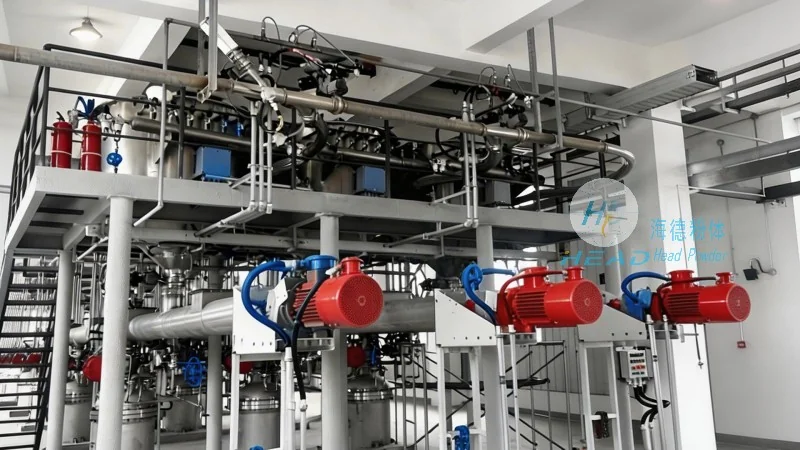
Understanding the Core Principles of Pneumatic Conveying
Pneumatic conveying systems use air or gas to transport bulk materials through a pipeline. For ceramic particles, which often have specific characteristics like high hardness or low flowability, the design must address challenges such as particle degradation, system wear, and efficient material handling. The choice of conveying method—like dilute phase or dense phase—depends on the material's properties and the distance to be covered.
Key Design Considerations for Ceramic Particle Systems
Several critical factors must be evaluated when designing a ceramic particle pneumatic conveying system. First, the particle size distribution and density influence the air velocity required for proper transport. Ceramic materials may have irregular shapes or high abrasiveness, which can affect pipeline wear and system maintenance. Second, the system's capacity and throughput needs to align with production demands, ensuring that the conveying rate matches the material's flow characteristics. Third, the selection of equipment, including blowers, cyclones, and filters, must be optimized for ceramic particles to prevent clogging and maintain system efficiency.
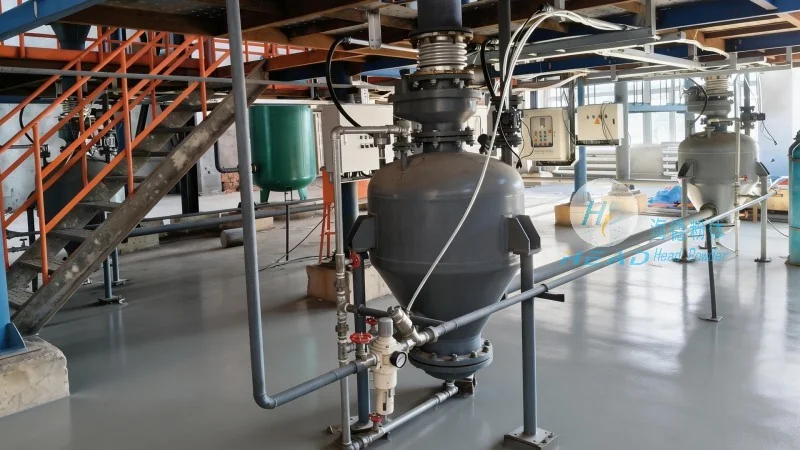
Components and Equipment Selection
The success of a ceramic particle pneumatic conveying system relies on the proper selection and integration of key components. The blower or compressor provides the necessary air pressure and volume. For ceramic materials, high-efficiency blowers with appropriate air handling capacity are essential to avoid excessive wear and energy consumption. Cyclones and dust collectors are critical for separating particles from the air stream, ensuring that the system meets environmental and safety standards. The choice of filter media and collection containers must be compatible with ceramic particles to prevent contamination and ensure easy maintenance.
System Layout and Pipeline Design
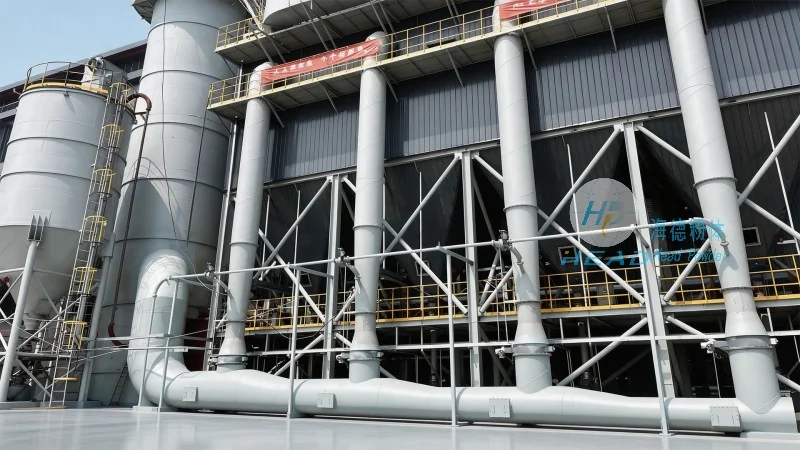
The layout of the pneumatic conveying system, including the pipeline configuration and routing, plays a significant role in system performance. For ceramic particles, the pipeline should be designed to minimize bends and changes in direction, as sharp turns can cause particle attrition and system blockages. The use of smooth, abrasion-resistant materials for the pipeline, such as stainless steel or special coatings, is recommended to extend the system's lifespan. Additionally, the system's height and elevation changes must be considered to ensure proper air flow and prevent backflow or pressure drops.
Material Handling and Process Integration
Integrating the ceramic particle pneumatic conveying system with existing production processes is essential for seamless operation. The system should be designed to connect with storage silos, processing equipment, and discharge points without disrupting the overall workflow. Proper material flow control, such as using feeders or valves, ensures consistent conveying rates and prevents overloading or underloading of the system. The system's compatibility with other equipment, including mixers, dryers, or reactors, must be evaluated to maintain the integrity of the ceramic particles and avoid contamination.
Maintenance and Operational Guidelines
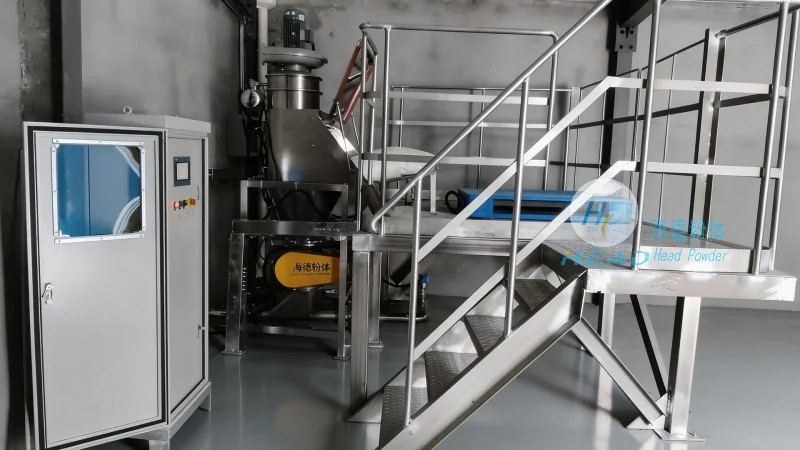
Regular maintenance is crucial for the long-term performance and reliability of a ceramic particle pneumatic conveying system. This includes monitoring equipment for wear and tear, cleaning filters and cyclones, and inspecting pipelines for signs of abrasion or blockage. Operational guidelines, such as maintaining proper air pressure and flow rates, should be established to ensure consistent system performance. Training operators on the proper use and maintenance of the system is also important to prevent operational issues and extend the system's lifespan.
Conclusion: Achieving an Efficient Ceramic Particle Pneumatic Conveying System
Designing a reasonable ceramic particle pneumatic conveying system requires a comprehensive approach that considers material properties, system requirements, and operational efficiency. By following the principles outlined in this guide, industries can develop a system that effectively handles ceramic particles while minimizing wear, energy consumption, and maintenance costs. The expertise of companies like Shandong HeadPowder Engineering Co., Ltd. can provide valuable support in designing and implementing such systems, ensuring optimal performance and reliability for ceramic particle handling applications.