

Which Methods Can Be Used for Rice Husk Powder Conveying?
When it comes to the efficient handling and transportation of rice husk powder, selecting the right conveying method is crucial for optimizing industrial processes. As a leading provider in the field, Shandong HeadPowder Engineering Co., Ltd. specializes in offering tailored solutions that address the unique challenges of rice husk powder transportation. This article explores various effective methods for conveying rice husk powder, highlighting the advantages and practical applications of each approach.
Understanding the Importance of Rice Husk Powder Conveying
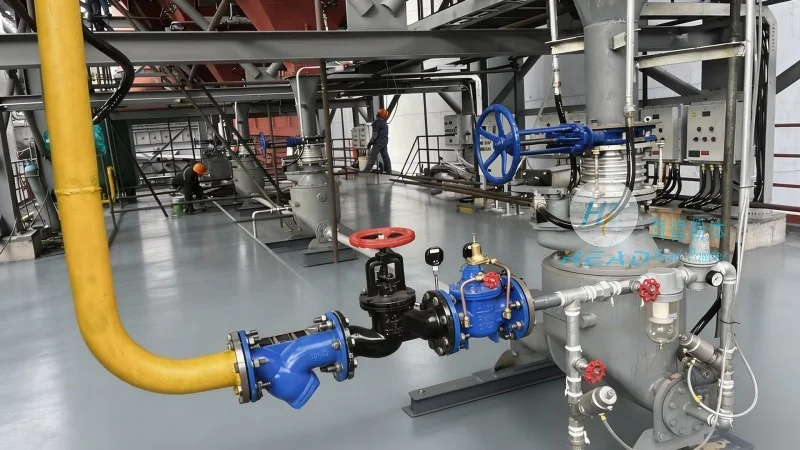
Rice husk powder, a byproduct of rice processing, is widely used in various industries such as biofuel production, animal feed, and construction materials. Its lightweight, fine-grained nature makes it susceptible to dust accumulation and requires specialized handling to prevent loss and contamination. Efficient conveying systems not only enhance productivity but also ensure safety and compliance with environmental regulations. At HeadPowder, we recognize these challenges and develop systems that meet the specific demands of our clients.
Common Conveying Methods for Rice Husk Powder
Several methods are commonly employed for rice husk powder conveying, each with its own set of advantages and limitations. The choice of method depends on factors like the volume of material, the distance to be conveyed, the required speed, and the environmental conditions. Below are some of the most effective approaches used in industrial settings.
1. Air-Pressure Conveying (Pneumatic Conveying)
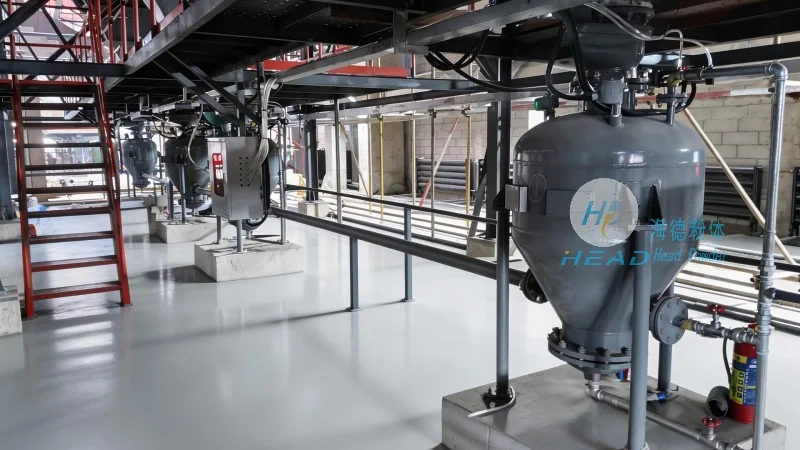
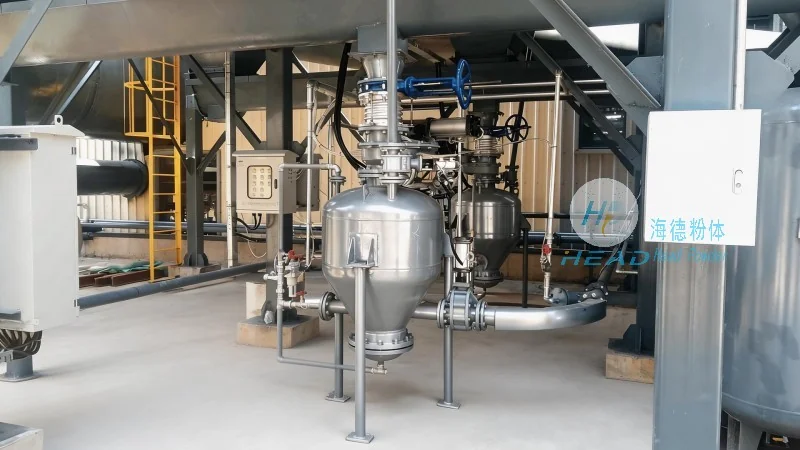
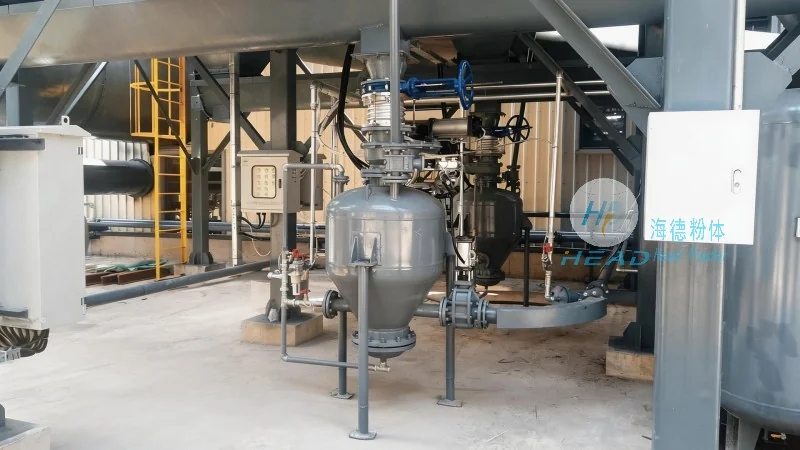
Air-pressure conveying, also known as pneumatic conveying, is a widely used method for transporting rice husk powder over medium to long distances. This system uses compressed air to move the powder through a pipeline. There are two main types: pressure and vacuum systems. Pressure systems are suitable for conveying materials from a central storage to multiple points, while vacuum systems are ideal for collecting material from various sources and transporting it to a central location. The primary advantage of pneumatic conveying is its ability to handle fine powders without the need for mechanical components that might cause blockages or wear. However, it requires a significant amount of energy and may not be suitable for very large volumes or abrasive materials.
2. Screw Conveyors
Screw conveyors, also known as auger conveyors, are another popular choice for rice husk powder transportation. These systems consist of a rotating screw inside a trough, which moves the material along the length of the conveyor. Screw conveyors are particularly effective for horizontal or slightly inclined transport and are suitable for moderate volumes. They are relatively simple in design, low-cost to install, and can handle a wide range of materials, including those with some moisture content. However, they may experience issues with material buildup on the screw surface, especially with fine powders, and require regular maintenance to prevent clogging.
3. Belt Conveyors
Belt conveyors are commonly used in bulk material handling and are suitable for transporting rice husk powder over longer distances, especially in open or outdoor settings. These systems use a continuous belt to move the material from one point to another. Belt conveyors are capable of handling large volumes and can be customized with different belt materials to resist abrasion and dust. They are ideal for applications where the material needs to be transported at a steady rate and over a significant horizontal distance. However, they may not be as efficient for vertical or steep incline transport and require proper alignment and tensioning to avoid material spillage.
4. Bucket Elevators
Bucket elevators are vertical or inclined conveyors that use a series of buckets attached to a belt or chain to lift and transport rice husk powder. These systems are highly efficient for vertical transport and can handle both fine and coarse materials. Bucket elevators are capable of moving large volumes of material at high speeds and are often used in combination with other conveying systems to form a complete material handling line. The main advantage of bucket elevators is their ability to transport material vertically without the need for additional space, making them suitable for confined areas. However, they require regular inspection of the buckets and chains to ensure smooth operation and may experience wear and tear due to the abrasive nature of rice husk powder.
Choosing the Right Conveying System at HeadPowder
At Shandong HeadPowder Engineering Co., Ltd., we understand that no single conveying method is ideal for every application. Our team of experts works closely with clients to assess their specific needs, including the volume of rice husk powder, the distance to be conveyed, and the operational environment. We then recommend the most suitable system, whether it's a combination of pneumatic, screw, or belt conveyors, to ensure optimal performance and cost-effectiveness. Our solutions are designed to minimize material loss, reduce energy consumption, and comply with industry standards. By leveraging our experience and technical expertise, we help our clients achieve efficient and reliable rice husk powder transportation.