

Comparison of Common Molybdenum Concentrate Transport Methods
Molybdenum concentrate, a critical raw material in the production of high-performance alloys, steel, and chemical products, requires efficient and reliable transport methods to ensure smooth industrial processes. The choice of transport method significantly impacts operational efficiency, cost, and safety in mining and processing facilities. This article provides a detailed comparison of common molybdenum concentrate transport methods, highlighting their applications, advantages, and limitations.
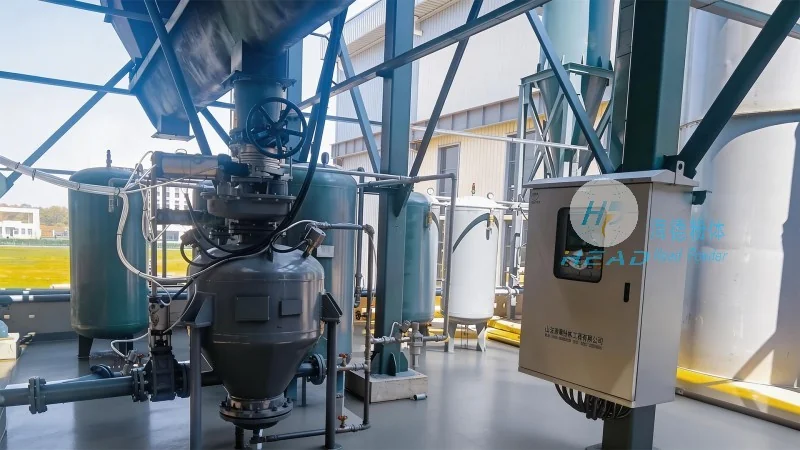
HeadPowder, a leading provider of engineering solutions for mineral processing, is dedicated to delivering innovative transport systems tailored to the unique needs of molybdenum operations. With a strong presence in Shandong, China, our company specializes in designing and manufacturing equipment that enhances the performance and safety of molybdenum concentrate handling. Our expertise ensures that clients can select the most suitable transport method for their specific production requirements.
1. Pipeline Transport Systems
Pipeline transport is a widely used method for moving molybdenum concentrate, especially in large-scale mining operations. This method involves transporting the concentrate through a network of pipelines, often under pressure, to deliver it from the processing plant to storage or further processing facilities. The primary advantage of pipeline transport is its ability to handle large volumes of material continuously, reducing labor costs and minimizing material exposure to the environment. However, it requires significant upfront investment in pipeline infrastructure and maintenance. The system is also susceptible to blockages if the concentrate contains excessive moisture or fine particles, necessitating regular cleaning and maintenance. HeadPowder offers customized pipeline solutions that incorporate advanced materials and flow control systems to ensure reliable operation and extend the lifespan of the transport infrastructure.
2. Screw Conveyors
Screw conveyors, also known as auger conveyors, are another common method for transporting molybdenum concentrate. These systems use a rotating screw within a tube to move material along the conveyor path. Screw conveyors are particularly effective for handling dry, free-flowing materials and are often used in smaller-scale operations or as part of a larger material handling system. The main advantages include simplicity, low maintenance, and the ability to operate in vertical or inclined positions. However, they have limitations in handling wet or sticky materials, as these can cause the screw to bind or reduce efficiency. Additionally, the capacity of screw conveyors is generally lower than that of other methods, making them less suitable for high-volume transport. HeadPowder designs screw conveyors with robust construction and variable speed drives to accommodate different material characteristics and ensure consistent performance.
3. Pneumatic Conveying Systems
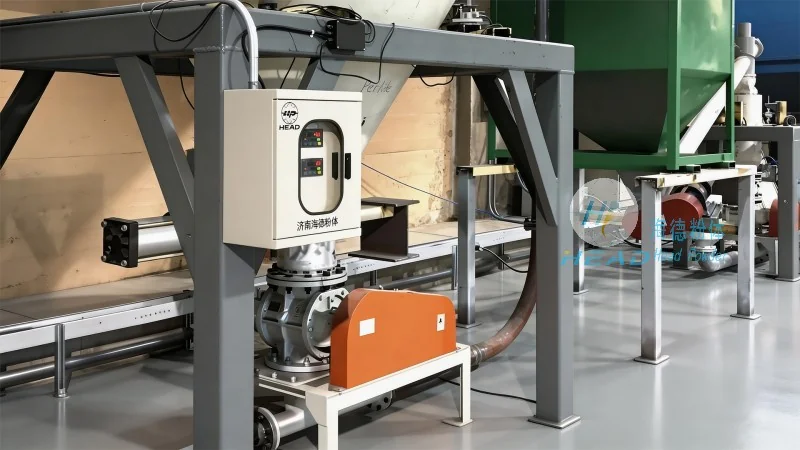
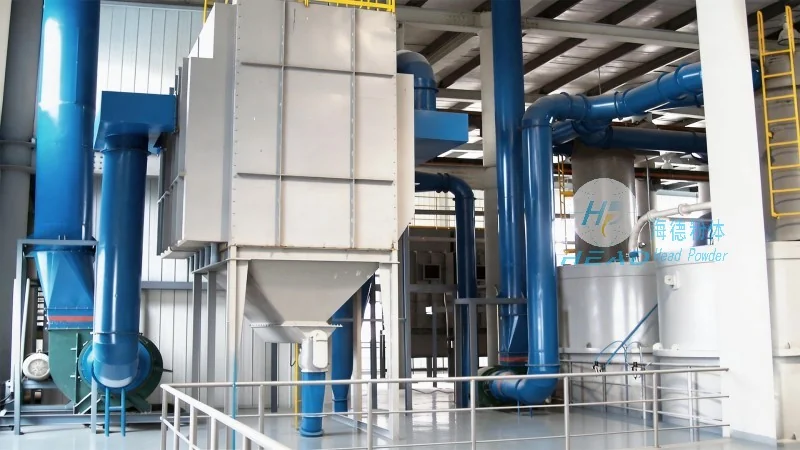
Pneumatic conveying, or air-based transport, is a versatile method that uses air pressure to move molybdenum concentrate through a pipeline. This method is ideal for transporting materials over long distances or in areas where traditional conveyors are impractical. The system can handle both dry and slightly wet materials, and it offers the advantage of being able to transport material in a closed system, reducing dust and environmental impact. However, pneumatic conveying requires a significant amount of energy to generate the necessary air pressure, increasing operational costs. The system is also sensitive to changes in material density and moisture content, which can affect flow rates and cause blockages. HeadPowder provides pneumatic conveying solutions with advanced control systems and filtration technology to optimize air usage and maintain consistent material flow.
4. Belt Conveyors
Belt conveyors are a classic and widely adopted method for transporting molybdenum concentrate, particularly in open-pit mining and bulk material handling. These systems use a continuous belt to move material from one location to another, often over long distances. The primary advantage of belt conveyors is their high capacity and ability to handle large volumes of material efficiently. They are also relatively low-cost to install and maintain compared to other methods. However, belt conveyors are limited by their need for a relatively flat or gently inclined surface and are susceptible to damage from heavy or abrasive materials. Additionally, they require regular inspection and maintenance to prevent belt wear and tear. HeadPowder manufactures high-quality belt conveyors with durable materials and advanced tracking systems to ensure reliable operation and minimize downtime.
5. Comparison and Selection Considerations
When selecting a molybdenum concentrate transport method, several factors must be considered, including the volume of material to be transported, the distance between the source and destination, the material characteristics (such as moisture content and particle size), and the available budget. Pipeline transport is best suited for large-scale, continuous operations, while screw and belt conveyors are more appropriate for smaller-scale or intermittent transport. Pneumatic conveying offers flexibility for long-distance or closed-system transport. HeadPowder assists clients in evaluating these factors and recommending the most suitable transport method to optimize their operational efficiency and reduce costs. Our team of engineers provides comprehensive consultations and custom solutions to meet the specific needs of each molybdenum processing facility.