

Comparison of Common Yeast Powder Conveying Methods
When it comes to handling yeast powder in industrial settings, selecting the right conveying method is crucial for efficiency, product integrity, and operational reliability. Yeast powder, with its fine particles and hygroscopic nature, requires specialized equipment to prevent caking, segregation, and loss of quality during transport. This article provides a detailed comparison of common yeast powder conveying methods, highlighting their advantages, limitations, and optimal applications.
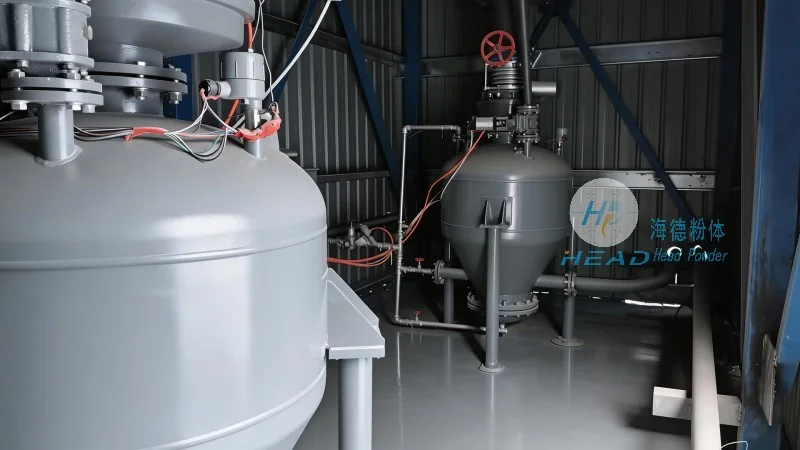
1. Screw Conveyors for Yeast Powder Handling
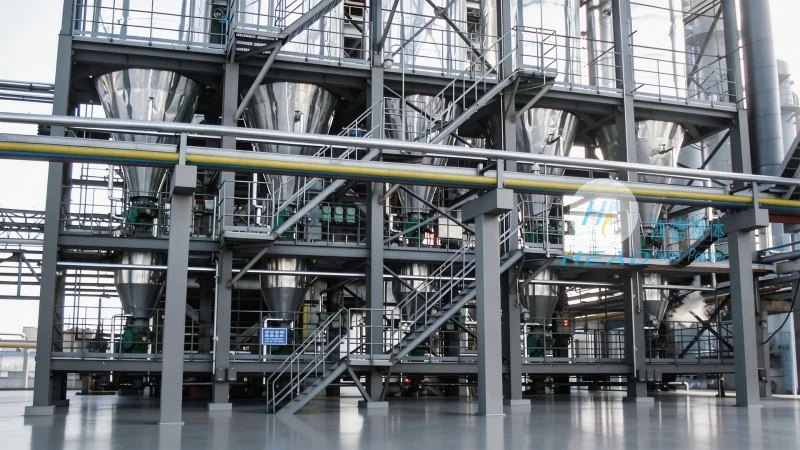
One of the most traditional and widely used methods for transporting yeast powder is the screw conveyor. Also known as auger conveyors, these systems consist of a rotating helical screw blade enclosed in a U-shaped or cylindrical tube. The screw rotates, pushing the powder forward through the tube. For yeast powder, screw conveyors are particularly effective when the material is free-flowing and non-abrasive. They offer a closed system that minimizes dust exposure and helps maintain product purity. However, their performance can be affected by the moisture content of the yeast, as excessive humidity may cause the powder to stick to the screw or tube walls, leading to blockages. The design of the screw, such as the pitch and flight angle, is critical in ensuring smooth material movement without excessive pressure that could degrade the yeast cells.
2. Pneumatic Conveying Systems
Pneumatic conveying, or air-based transport, is another popular choice for yeast powder handling, especially in applications requiring long-distance or high-volume transport. This method uses compressed air to move the powder through a pipeline. There are two main types: dilute-phase and dense-phase pneumatic conveyors. Dilute-phase systems use low air-to-material ratios, suitable for short distances and low to medium capacities. Dense-phase systems, on the other hand, use higher air-to-material ratios, which allow for more controlled and gentle movement of the powder, reducing the risk of particle degradation. Pneumatic conveying offers advantages such as the ability to transport yeast powder in a closed system, preventing contamination and dust dispersion. It also allows for integration with other processing equipment, such as mixers or reactors, without the need for intermediate storage. However, the initial investment for pneumatic systems can be higher, and they require regular maintenance of air compressors and filters to ensure consistent performance. Additionally, the pressure and flow rates must be carefully managed to avoid excessive shear forces that could damage the yeast cells.
3. Belt Conveyors for Bulk Yeast Powder Transport
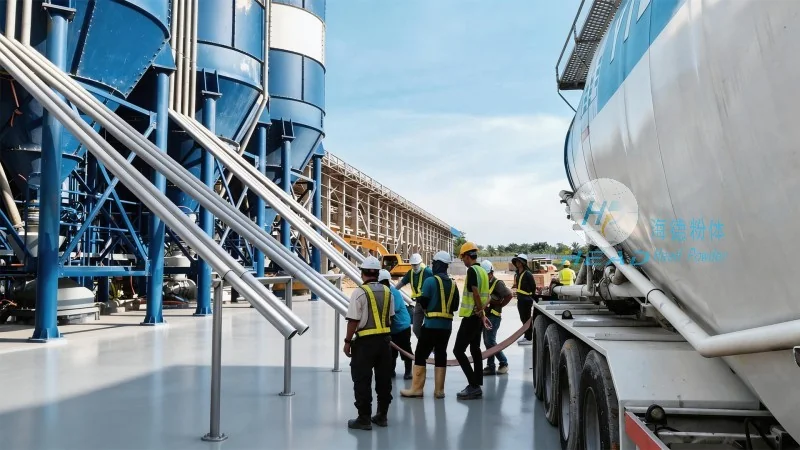
Belt conveyors are commonly used for transporting larger quantities of yeast powder over moderate distances. These systems consist of a continuous belt that moves over rollers or pulleys, carrying the powder from one point to another. Belt conveyors are particularly suitable for free-flowing yeast powders that do not require high precision in positioning. They offer high capacity and can handle a wide range of particle sizes. The key to effective use of belt conveyors for yeast powder is proper belt tensioning and material feeding to prevent spillage and ensure uniform loading. Additionally, the belt material must be chosen to avoid interaction with the yeast powder, as some materials may cause contamination or degrade the product. Belt conveyors are often used in combination with other equipment, such as hoppers or chutes, to form a complete material handling system. They are also relatively easy to install and maintain, making them a cost-effective solution for many industrial applications.
4. Comparison of Conveying Methods: Key Factors to Consider
When selecting a conveying method for yeast powder, several factors must be evaluated to ensure the best fit for the specific application. These factors include the volume and flow rate of the powder, the distance it needs to be transported, the required level of product purity, and the environmental conditions of the facility. Screw conveyors are generally the most cost-effective option for short-distance, low to medium volume transport of free-flowing yeast powder. They are simple to operate and maintain, making them ideal for smaller-scale operations. Pneumatic conveying systems are better suited for longer distances or when the yeast powder needs to be transported in a closed system to maintain quality and prevent contamination. They offer more flexibility in terms of layout and integration with other equipment but come with higher initial costs and maintenance requirements. Belt conveyors are suitable for high-volume, moderate-distance transport of bulk yeast powder, particularly in environments where space is limited or where the material is not prone to segregation. The choice of conveying method also depends on the specific characteristics of the yeast powder, such as its moisture content, particle size distribution, and hygroscopic properties. For example, if the yeast is highly hygroscopic and prone to caking, a pneumatic system with gentle pressure control may be preferred to avoid degradation. Conversely, if the yeast is dry and free-flowing, a screw conveyor or belt conveyor may suffice.
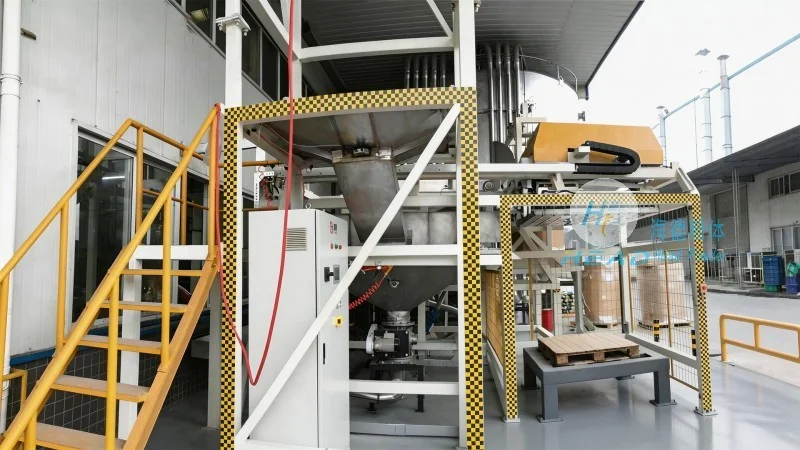
5. HeadPowder's Expertise in Yeast Powder Conveying Solutions
Shandong HeadPowder Engineering Co., Ltd., a leading manufacturer in the field, specializes in providing customized conveying solutions for yeast powder and other fine powders. With years of experience in the industry, HeadPowder understands the unique challenges associated with handling yeast powder, such as maintaining product integrity, preventing contamination, and ensuring efficient transport. The company offers a range of conveying equipment, including screw conveyors, pneumatic systems, and belt conveyors, tailored to meet the specific needs of each client. HeadPowder's team of engineers works closely with customers to assess their operational requirements, material characteristics, and budget constraints to design the most effective conveying system. The company's products are designed with features that address common issues in yeast powder handling, such as anti-caking mechanisms, dust suppression systems, and gentle material handling to preserve the quality of the yeast. Additionally, HeadPowder provides comprehensive support, including installation, maintenance, and technical assistance, to ensure that the conveying systems operate at peak efficiency throughout their service life. By choosing HeadPowder's solutions, businesses can enhance their productivity, reduce downtime, and maintain the quality of their yeast powder products, ultimately contributing to their overall success in the market.