

Comparison of Advantages and Disadvantages of Common Coagulant Dry Powder Conveying Methods
When it comes to the efficient and reliable transportation of coagulant dry powders in industrial applications, selecting the right conveying method is crucial. The choice of conveying system directly impacts operational efficiency, cost-effectiveness, and the overall safety of the process. This article provides a detailed comparison of common coagulant dry powder conveying methods, highlighting their advantages and disadvantages, to help industrial operators make informed decisions.
Introduction to Coagulant Dry Powder Conveying
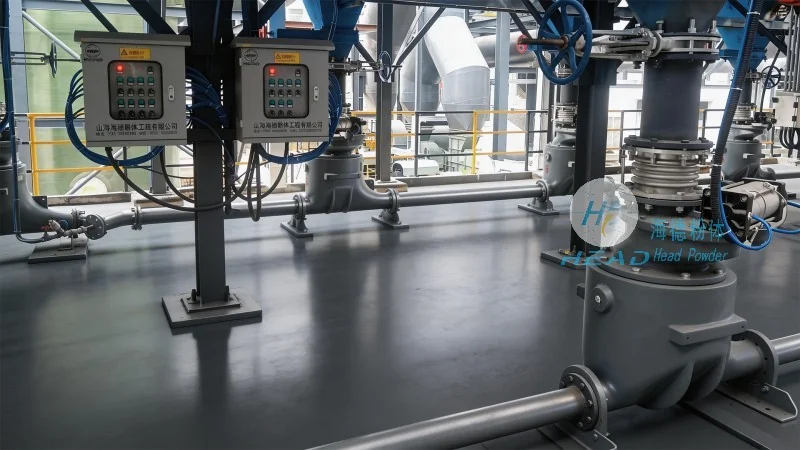
Coagulants are essential chemicals used in water treatment and other industrial processes to remove suspended solids from liquids. The dry powder form of these chemicals requires specialized conveying systems to transport them from storage to processing units without degradation or loss. The primary goal of any conveying method is to ensure consistent flow, minimize material degradation, and maintain system reliability. In this context, understanding the pros and cons of different conveying technologies is vital for optimizing operational performance.
Overview of Key Conveying Methods
Several methods are commonly employed for the transportation of coagulant dry powders. These include pneumatic conveying, screw conveyors, pump-based systems, and gravity-fed systems. Each method has its own set of characteristics, making it suitable for specific applications and operational conditions. The following sections delve into the advantages and disadvantages of these methods, providing a comprehensive comparison for industrial use.
Pneumatic Conveying: Advantages and Disadvantages
Pneumatic conveying systems use air or other gases to transport dry powders through a pipeline. This method is widely used in the chemical and water treatment industries due to its ability to handle a wide range of powder types and flow rates. One of the key advantages of pneumatic conveying is its flexibility in terms of layout and installation. It can be easily integrated into existing facilities and adapted to various process requirements. Additionally, pneumatic systems can transport powders over long distances without the need for multiple transfer points, which reduces the risk of material contamination and degradation.
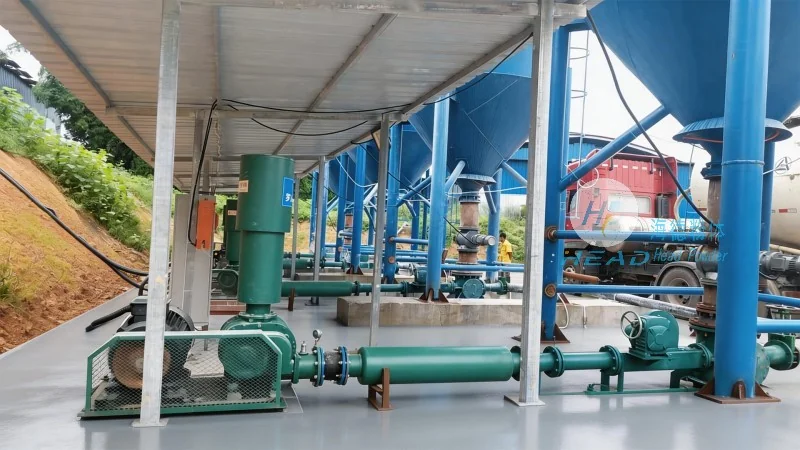
However, pneumatic conveying also has notable disadvantages. The primary drawback is the high energy consumption associated with the system. The need to maintain a consistent air flow and pressure requires significant power input, leading to higher operational costs. Another disadvantage is the potential for material degradation, especially for heat-sensitive or delicate powders. The high velocity of air can cause particle attrition and agglomeration, affecting the quality of the coagulant. Furthermore, pneumatic systems may require more maintenance due to the moving parts and the need for air filtration to prevent dust accumulation in the system.
Screw Conveyors: Advantages and Disadvantages
Screw conveyors, also known as auger conveyors, use a rotating screw to move dry powders through a trough or tube. This method is commonly used for short to medium-distance transportation of coagulant powders. A significant advantage of screw conveyors is their simplicity and low maintenance requirements. The system consists of a single rotating screw and a housing, making it relatively easy to install and operate. Screw conveyors also provide a continuous and uniform flow of material, which is beneficial for maintaining consistent dosing rates in water treatment processes.
Despite these advantages, screw conveyors have several limitations. One major drawback is their limited capacity for handling abrasive or high-density powders. The screw and trough can wear out quickly under such conditions, leading to increased maintenance costs and potential downtime. Another disadvantage is the risk of material bridging or clogging, especially for cohesive or sticky powders. This can cause uneven flow and reduce the system's efficiency. Additionally, screw conveyors are not suitable for long-distance transportation due to the high friction and energy losses over extended lengths.
Pump-Based Conveying Systems: Advantages and Disadvantages
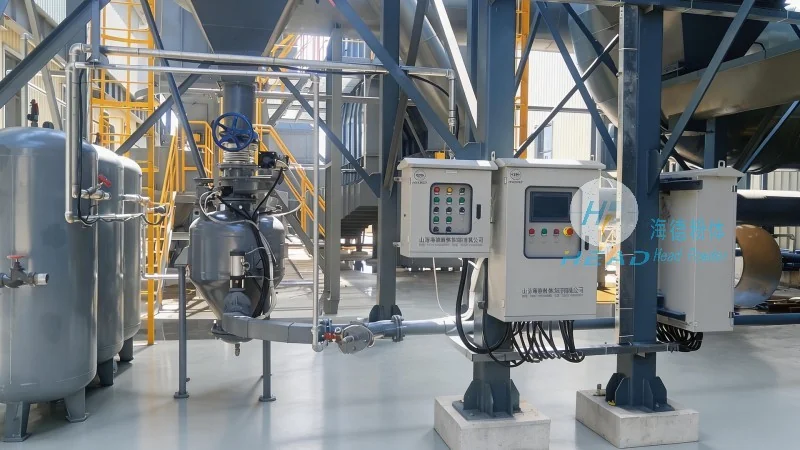
Pump-based systems, such as positive displacement pumps or slurry pumps, are used to transport coagulant dry powders mixed with water or other liquids. This method is particularly useful when the coagulant needs to be diluted or mixed with other chemicals before application. A key advantage of pump-based systems is their ability to handle high-viscosity slurries and abrasive materials. The positive displacement pumps can maintain a consistent flow rate even under varying pressure conditions, ensuring stable dosing. Additionally, these systems are relatively simple to operate and require minimal maintenance compared to pneumatic systems.
However, pump-based conveying has its own set of challenges. The primary disadvantage is the risk of material degradation due to the high shear forces generated by the pump. This can cause particle breakdown or agglomeration, affecting the performance of the coagulant. Another drawback is the need for regular cleaning and maintenance to prevent clogging or wear from abrasive particles. Furthermore, pump-based systems may not be suitable for long-distance transportation, as the energy consumption increases significantly with the distance and pressure requirements.
Gravity-Fed Conveying: Advantages and Disadvantages
Gravity-fed systems rely on the natural force of gravity to transport dry powders from a higher to a lower elevation. This method is typically used for short vertical or inclined distances and is often combined with other conveying methods for longer routes. A significant advantage of gravity-fed systems is their low energy consumption, as they do not require any external power source. The system is also simple in design, consisting of a hopper and a sloped chute, making it easy to install and maintain.
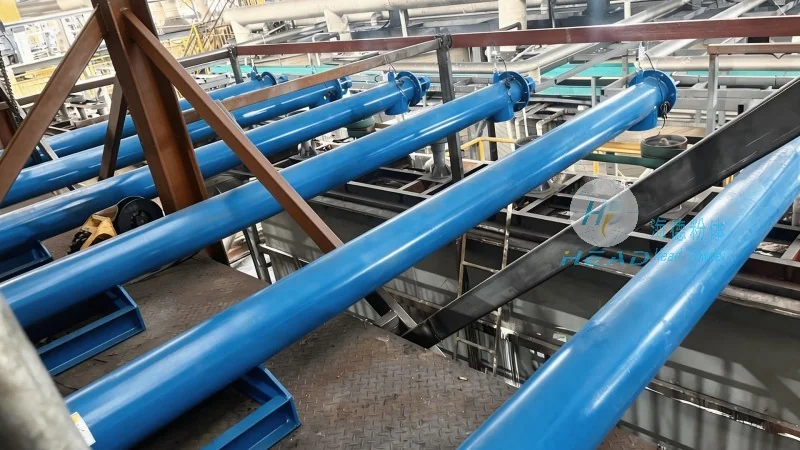
Nevertheless, gravity-fed conveying has several limitations. The primary drawback is its limited application range, as it can only be used for short distances and specific elevation changes. The system is not suitable for horizontal transportation or for moving powders over long distances. Another disadvantage is the risk of material segregation or uneven flow, especially for powders with varying particle sizes or densities. This can lead to inconsistent dosing and affect the performance of the coagulant. Additionally, gravity-fed systems may require additional equipment, such as hoppers or chutes, to ensure smooth material flow and prevent blockages.
Choosing the Right Conveying Method for Coagulant Dry Powders
When selecting a conveying method for coagulant dry powders, several factors need to be considered. These include the type and properties of the powder, the distance and elevation changes required, the desired flow rate, and the operational budget. Pneumatic conveying is ideal for long-distance transportation and handling a wide range of powders, but it requires higher energy input and maintenance. Screw conveyors are suitable for short to medium distances and low to medium flow rates, but they may not handle abrasive or sticky powders well. Pump-based systems are effective for handling slurries and high-viscosity materials, but they can cause material degradation and require regular maintenance. Gravity-fed systems are best for short vertical or inclined distances and low energy requirements, but they have limited application range.
Industrial operators should conduct a thorough analysis of their specific requirements before choosing a conveying method. Factors such as the cost of energy, maintenance, and the potential for material degradation should be weighed against the benefits of each system. By carefully evaluating these aspects, operators can select the most suitable conveying method that ensures efficient and reliable transportation of coagulant dry powders, ultimately optimizing the performance of their water treatment or industrial processes.
Shandong HeadPowder Engineering Co., Ltd., a leading provider of coagulant dry powder solutions, offers a range of conveying systems tailored to meet the diverse needs of industrial applications. With years of experience in the industry, the company specializes in designing and manufacturing high-quality conveying equipment that ensures consistent flow, minimal material degradation, and reliable operation. Whether you need pneumatic, screw, pump-based, or gravity-fed systems, HeadPowder Engineering provides customized solutions that enhance operational efficiency and reduce costs. The company's commitment to quality and customer satisfaction has made it a trusted partner for industries worldwide. Located in Shandong, China, HeadPowder Engineering leverages its expertise and advanced technology to deliver innovative solutions that meet the evolving demands of the market.