

[CUSTOMER]Comparison of Common Sulfate Nickel Crystal Conveying Methods: Advantages and Disadvantage
When it comes to handling and transporting sulfate nickel crystals, selecting the right conveying method is crucial for ensuring efficiency, safety, and cost-effectiveness in industrial operations. Sulfate nickel, a key raw material in battery production and other chemical processes, often requires specialized handling due to its crystalline structure and potential for dust generation. This article provides a detailed comparison of common sulfate nickel crystal conveying methods, highlighting their advantages and disadvantages to help industrial operators make informed decisions.
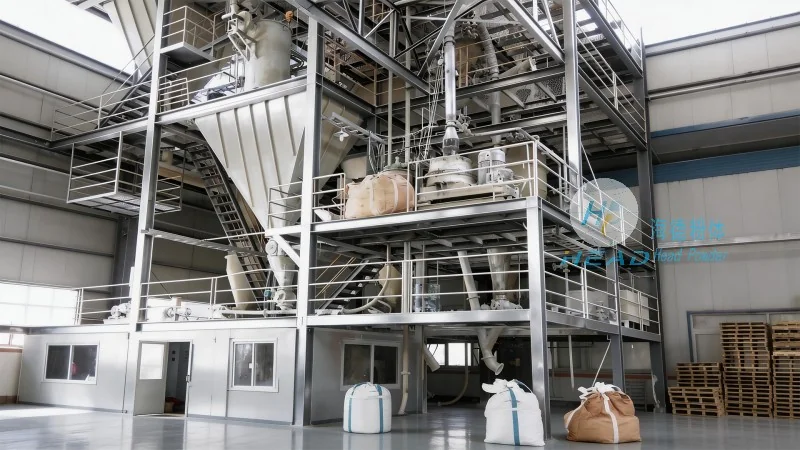
Introduction to Sulfate Nickel Crystal Conveying
Sulfate nickel, also known as nickel sulfate, is a crystalline compound used extensively in the manufacturing of rechargeable batteries, particularly lithium-ion batteries. Its handling involves moving these crystals from storage to processing units, often over distances and through various stages of production. The choice of conveying method depends on factors such as the crystal size, moisture content, dust propensity, and the specific requirements of the downstream processes. Effective conveying ensures minimal product loss, reduces operational downtime, and maintains product quality.
Key Conveying Methods for Sulfate Nickel Crystals
Several methods are commonly employed for transporting sulfate nickel crystals. Each method has its own set of advantages and limitations, which are critical to consider based on the operational context.
Pneumatic Conveying Systems
Pneumatic conveying uses air or other gases to transport material through a pipeline. This method is particularly effective for handling fine or dusty materials like sulfate nickel crystals. One of the primary advantages of pneumatic conveying is its ability to transport materials over long distances without the need for multiple transfer points. It also allows for a relatively compact system design, which can save space in industrial facilities. However, pneumatic systems can be more complex to install and maintain, and they may require higher energy consumption compared to other methods. Additionally, the pressure and flow rates must be carefully controlled to prevent material degradation or blockages in the pipeline.
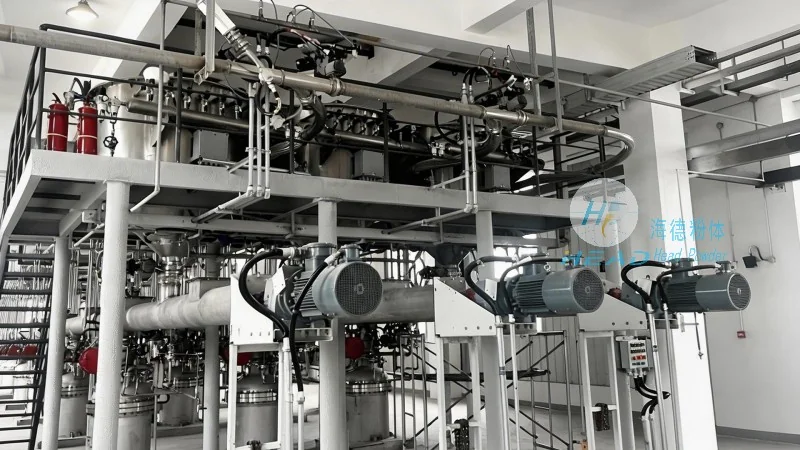
Positive Displacement Pumps
Positive displacement pumps, such as rotary lobe or screw pumps, are commonly used for conveying sulfate nickel crystals due to their ability to handle abrasive and solid-laden slurries. These pumps work by trapping a fixed volume of material and then displacing it through the pump. The advantages of this method include high efficiency, especially when dealing with viscous or high-density slurries, and the ability to maintain a consistent flow rate. However, these pumps can be more expensive to purchase and maintain compared to other options. They also require regular maintenance to prevent wear and tear from the abrasive nature of the crystals. Furthermore, the pump speed and design must be optimized to avoid excessive shear or damage to the crystal structure.
Screw Conveyors
Screw conveyors, also known as auger conveyors, use a rotating screw to move material along a trough. This method is widely used for conveying bulk materials, including sulfate nickel crystals, due to its simplicity and reliability. The main advantage of screw conveyors is their low maintenance requirements and ability to handle a wide range of materials, including those with varying moisture content. They are also relatively inexpensive compared to other conveying systems. However, screw conveyors have limitations in terms of the distance they can effectively transport material, typically up to several meters. They may also experience issues with material bridging or clogging, especially with cohesive or fine crystals. Additionally, the speed and pitch of the screw must be carefully selected to prevent excessive friction and heat generation.
Bucket Elevators
Bucket elevators are vertical or inclined conveyors that use a chain or belt with attached buckets to lift and transport material. This method is suitable for transporting sulfate nickel crystals vertically or over moderate inclines. The advantages of bucket elevators include their high capacity and ability to handle large volumes of material. They are also relatively simple in design and can be integrated into existing processing lines. However, bucket elevators require more space vertically compared to other methods and may be more expensive to install. They also have limitations in terms of the material's angle of repose and may experience issues with material spillage or wear on the buckets.
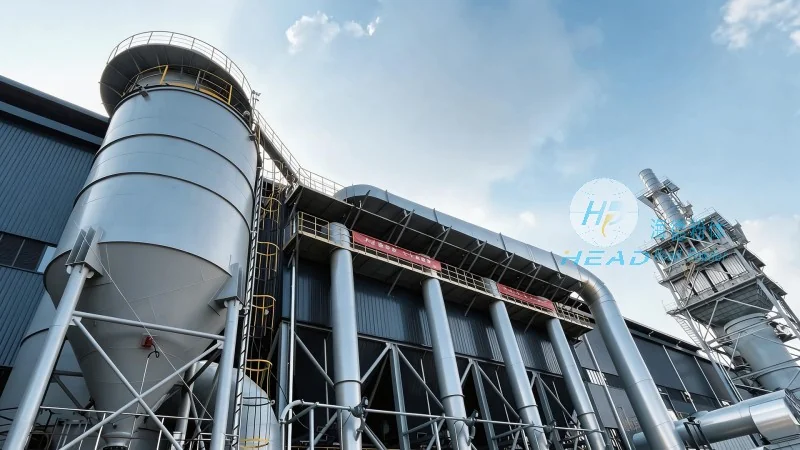
Comparison of Conveying Methods
When evaluating the different conveying methods for sulfate nickel crystals, several factors must be considered. The choice of method should align with the specific operational requirements, including the distance to be covered, the material characteristics, and the available budget. Pneumatic conveying is ideal for long-distance transport and fine materials but may require higher energy input. Positive displacement pumps offer high efficiency for viscous slurries but come with higher maintenance costs. Screw conveyors provide a cost-effective solution for short to medium distances but may struggle with cohesive materials. Bucket elevators are suitable for vertical transport but require more space and may have higher initial costs.
Best Practices for Sulfate Nickel Crystal Conveying
Regardless of the chosen conveying method, implementing best practices can enhance efficiency and prolong equipment life. Regular maintenance, such as cleaning and inspecting components, is essential to prevent clogging and wear. Proper material handling, including controlling moisture and preventing dust generation, can improve conveying performance and product quality. Additionally, monitoring system performance, such as flow rates and pressure, can help identify issues early and prevent operational disruptions.
Conclusion
Selecting the appropriate conveying method for sulfate nickel crystals is a critical decision that impacts operational efficiency and product quality. By understanding the advantages and disadvantages of each method, industrial operators can choose the most suitable option for their specific needs. Whether using pneumatic systems, positive displacement pumps, screw conveyors, or bucket elevators, careful consideration of material characteristics and operational requirements is key to successful sulfate nickel crystal handling and transport.