

What Are the Types of Fly Ash Conveying? An Overview of the Advantages and Features of Pneumatic Fly
When it comes to handling fly ash, an essential byproduct of coal combustion in power plants and industrial facilities, selecting the right conveying method is critical for efficiency, safety, and environmental compliance. Fly ash, a fine particulate material, requires specialized equipment to transport it from the source to storage or disposal sites. Traditional methods like belt conveyors or screw conveyors have limitations when dealing with the dusty, abrasive nature of fly ash. This article explores the various fly ash conveying options available and highlights the key advantages of pneumatic (air-powered) conveying systems, presented by Shandong HeadPowder Engineering Co., Ltd., a leading provider in the field.
Common Fly Ash Conveying Methods and Their Limitations
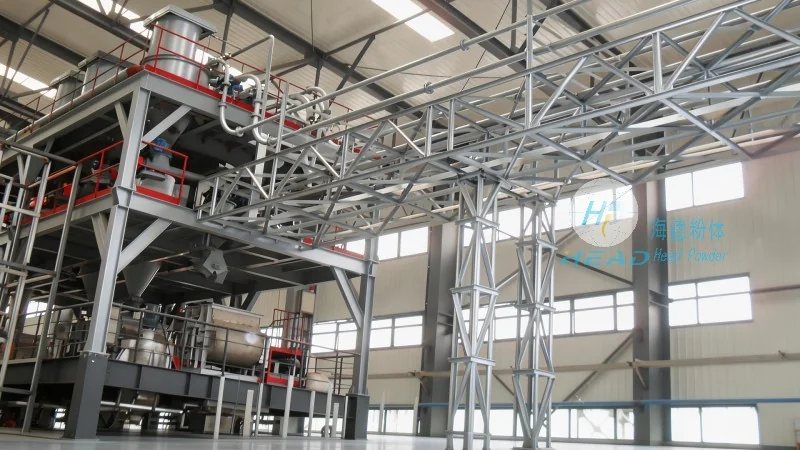
Before delving into the benefits of pneumatic systems, it's important to understand the conventional approaches used for fly ash transport. One of the most widely used methods is the belt conveyor, which uses a continuous belt to move material. However, belt conveyors often struggle with the fine particles of fly ash, leading to issues such as dust accumulation, material spillage, and increased maintenance due to abrasion. Screw conveyors, another common option, use a rotating screw to push material forward. While effective for some bulk materials, screw conveyors are not ideal for fly ash as the fine particles can cause clogging and wear on the screw and housing. Additionally, both belt and screw conveyors require regular cleaning and maintenance to prevent blockages and ensure smooth operation. These traditional methods may also pose challenges in terms of space constraints and the need for multiple transfer points, which can increase operational complexity and costs.
Pneumatic Fly Ash Conveying: How It Works and Its Core Advantages
Pneumatic conveying, also known as air-powered or gas-solid conveying, is a method that uses compressed air to transport materials through a pipeline. In the context of fly ash, this technology offers several advantages over traditional systems. The primary benefit is the ability to handle fine, dusty materials like fly ash without the need for mechanical components that can cause wear and tear. The system operates by creating a flow of air within the pipeline, which carries the fly ash particles along. This process, known as dilute-phase or dense-phase conveying, allows for efficient transport over long distances and vertical lifts, making it suitable for complex layouts in industrial facilities.

One of the most significant advantages of pneumatic fly ash conveying is its ability to minimize dust emissions. Unlike belt or screw conveyors, which can generate significant dust during operation, pneumatic systems are enclosed and use air to contain the material, reducing the risk of airborne particulates and improving workplace safety. This is particularly important in compliance with environmental regulations, as many regions have strict limits on particulate matter emissions from industrial operations. Additionally, pneumatic conveying systems are highly flexible, allowing for easy integration into existing plant layouts and the ability to adjust flow rates as needed. This adaptability makes them suitable for a wide range of applications, from small-scale installations to large-scale power plant operations.
Key Features and Benefits of Pneumatic Fly Ash Conveying Systems
Shandong HeadPowder Engineering Co., Ltd. specializes in the design, manufacturing, and installation of advanced pneumatic fly ash conveying systems. Their solutions are engineered to meet the specific needs of industrial clients, ensuring optimal performance and reliability. The key features of these systems include high efficiency in material transport, reduced maintenance requirements compared to mechanical systems, and enhanced safety through enclosed operation. The company's expertise lies in customizing systems to handle varying ash characteristics, such as different moisture content or particle sizes, ensuring consistent performance regardless of the material's properties.
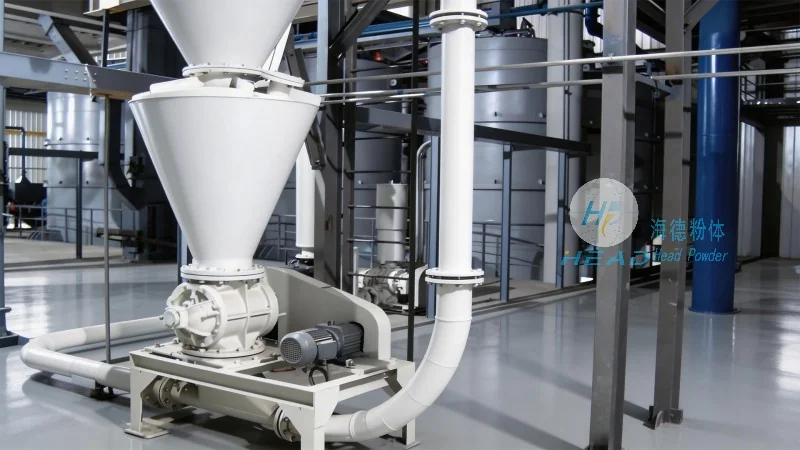
Another critical advantage is the energy efficiency of pneumatic conveying. While the initial investment may be higher than traditional methods, the long-term operational costs are often lower due to reduced maintenance and the ability to handle materials over longer distances without the need for additional transfer points. This translates to cost savings for industrial facilities over the system's lifespan. Furthermore, pneumatic systems are less prone to clogging and blockages, as the air flow helps to keep the material moving smoothly through the pipeline. This reliability is crucial for continuous operation in power plants and other industrial settings where downtime can result in significant financial losses.
Applications and Real-World Use Cases
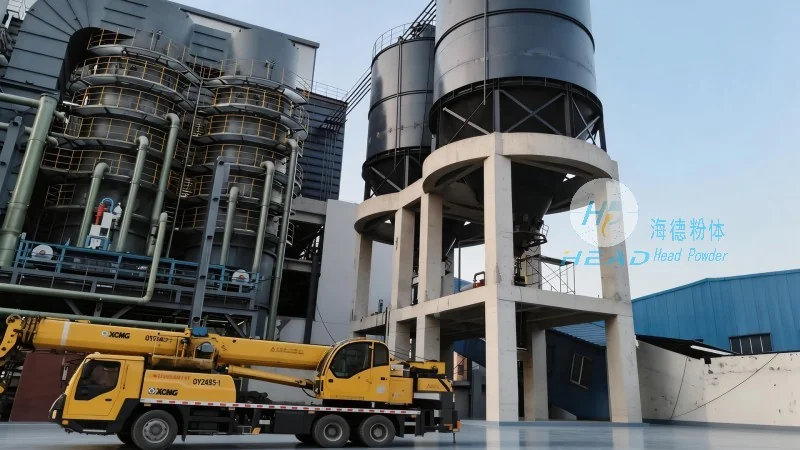
Pneumatic fly ash conveying systems are widely used in various industrial applications, particularly in the power generation sector. For example, in coal-fired power plants, these systems are used to transport fly ash from the boiler to storage silos or disposal sites. The ability to handle long horizontal and vertical distances makes them ideal for large-scale facilities where space is limited. In addition to power plants, other industries such as cement manufacturing, steel production, and waste management also benefit from pneumatic conveying systems for handling fine particulate materials. The versatility of these systems allows them to be adapted to different operational requirements, ensuring that clients receive a solution tailored to their specific needs.
Conclusion: Choosing the Right Fly Ash Conveying Solution
When evaluating fly ash conveying methods, it's clear that pneumatic systems offer significant advantages over traditional mechanical options. The ability to handle fine, dusty materials efficiently, minimize dust emissions, and provide flexible, reliable operation makes pneumatic conveying a preferred choice for many industrial facilities. Shandong HeadPowder Engineering Co., Ltd. provides comprehensive solutions for fly ash conveying, leveraging their expertise to deliver systems that meet the highest standards of performance and safety. By investing in advanced pneumatic technology, industrial clients can improve operational efficiency, reduce costs, and ensure compliance with environmental regulations. As the demand for efficient and sustainable material handling solutions grows, pneumatic fly ash conveying will continue to play a vital role in the industry, supporting the safe and effective management of fly ash from its source to its final destination.