

Comparison of Common PVB (Polyvinyl Butyral) Conveying Methods: Advantages and Disadvantages
Polyvinyl Butyral (PVB) is a widely used polymer in various industrial applications, and the efficient conveyance of PVB materials is crucial for maintaining production efficiency and product quality. Different conveying methods are employed in industrial settings to handle PVB, each with its own set of advantages and disadvantages. This article provides a detailed comparison of common PVB conveying methods, helping industrial operators and engineers make informed decisions based on their specific operational needs.
Company Overview: Shandong HeadPowder Engineering Co., Ltd.
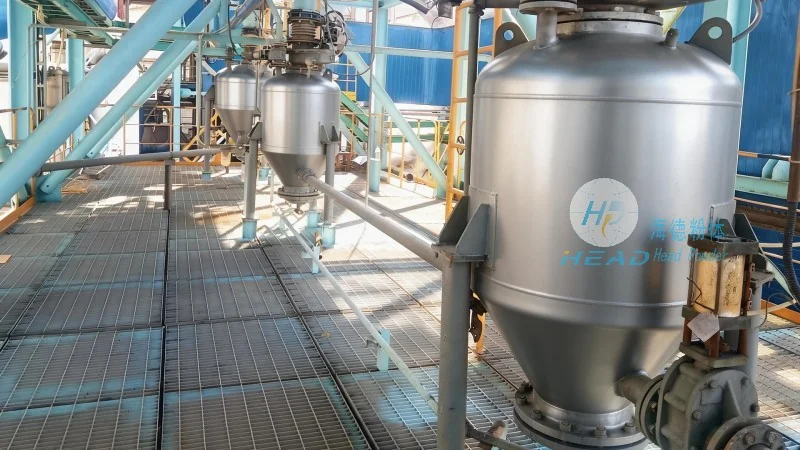
Shandong HeadPowder Engineering Co., Ltd. is a leading manufacturer and supplier of industrial conveying solutions, with a strong presence in the Chinese market. Based in Shandong, China, the company specializes in developing and manufacturing high-quality conveying equipment tailored to the needs of various industries, including those working with PVB materials. Their expertise in material handling systems ensures that clients receive reliable and efficient solutions for their PVB conveying requirements.
Common PVB Conveying Methods Overview
Several methods are commonly used to transport PVB materials in industrial processes. These include screw conveyors, belt conveyors, pneumatic conveyors, and bucket elevators. Each method operates on different principles and is suitable for specific applications based on factors such as material characteristics, production scale, and operational environment.
1. Screw Conveyors for PVB Transport
Screw conveyors, also known as auger conveyors, are one of the most common methods for transporting PVB. These systems use a rotating screw (auger) to move material along a trough. The screw's rotation creates a positive displacement, pushing the material forward. For PVB, screw conveyors are particularly effective due to their ability to handle dry powders and granules without the need for additional components like belts or buckets. However, they have limitations, such as the risk of material degradation if the screw speed is too high, and the potential for clogging if the material is too fine or has high moisture content. Additionally, screw conveyors may not be suitable for very large volumes or for materials that are prone to sticking to the screw surface.
2. Belt Conveyors for PVB Handling
Belt conveyors are another widely used method for PVB transport, especially in applications requiring the movement of bulk materials over longer distances. These systems consist of a continuous belt that moves over rollers or pulleys, transporting the PVB material from one point to another. Belt conveyors are known for their high capacity and ability to handle large volumes of material efficiently. They are also relatively simple to install and maintain, making them a popular choice for many industrial operations. However, belt conveyors have some drawbacks when used with PVB. For instance, PVB particles may slip or fall off the belt if the friction between the material and the belt is insufficient. This can lead to material loss and reduced efficiency. Moreover, belt conveyors may require more space compared to other methods, and they can be more prone to wear and tear due to the abrasive nature of PVB particles.
3. Pneumatic Conveyors for PVB Transfer
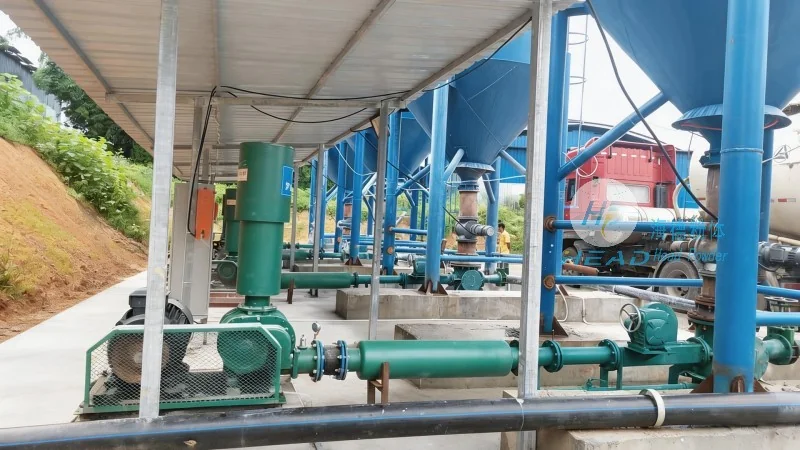
Pneumatic conveyors use air or other gases to transport PVB materials through a pipeline system. These systems are particularly useful for applications where the PVB needs to be moved in a closed environment, such as in food processing or pharmaceutical industries. Pneumatic conveyors offer the advantage of being able to transport PVB without direct contact with the material, reducing the risk of contamination and ensuring a clean transfer process. They are also suitable for handling fine PVB powders and granules that might be difficult to convey using other methods. However, pneumatic conveyors have their own set of challenges. The high air pressure required to move the material can lead to increased energy consumption and higher operational costs. Additionally, the system may be more complex to install and maintain, as it involves the use of air compressors and filtration systems. Furthermore, PVB particles may be susceptible to static electricity, which can cause issues in pneumatic conveyors, especially if proper grounding and anti-static measures are not implemented.
4. Bucket Elevators for Vertical PVB Transport
Bucket elevators are commonly used for vertical transport of PVB materials, especially in applications where the material needs to be lifted to a higher level. These systems consist of a series of buckets attached to a chain or belt, which moves vertically within a housing. The buckets scoop up the PVB material at the bottom and release it at the top. Bucket elevators are effective for vertical transport and can handle large volumes of material efficiently. They are also relatively compact and can be installed in limited space. However, bucket elevators have some limitations when used with PVB. The buckets may wear out faster due to the abrasive nature of PVB particles, leading to higher maintenance costs. Additionally, the system may be more prone to material spillage if the buckets are not properly loaded or if the speed is too high. Moreover, bucket elevators may not be suitable for very fine PVB powders, as they can be difficult to load into the buckets without causing clogging.
Advantages and Disadvantages Summary
Each PVB conveying method has its own set of advantages and disadvantages, and the choice of method depends on the specific requirements of the application. Screw conveyors are ideal for horizontal transport of dry PVB powders and granules, offering simplicity and reliability. Belt conveyors are suitable for large-scale horizontal transport over longer distances, providing high capacity and efficiency. Pneumatic conveyors are advantageous for closed environments and fine PVB materials, ensuring cleanliness and reduced contamination. Bucket elevators are effective for vertical transport, providing compact and efficient solutions. However, each method also has limitations, such as material degradation, clogging, or increased energy consumption. Industrial operators should carefully evaluate their operational needs, including material characteristics, production scale, and operational environment, to select the most appropriate PVB conveying method.