

How to Design a Reasonable Mica Sand Powder Pneumatic Conveying System Plan
For businesses dealing with mica sand powder, selecting an efficient and reliable pneumatic conveying system is crucial for smooth production operations. Shandong HeadPowder Engineering Co., Ltd., a leading provider in the field, offers expert guidance on designing a system that meets specific operational needs. This article outlines key considerations and steps to develop a well-planned mica sand powder pneumatic conveying system.
Understanding the Core Requirements of Mica Sand Powder Pneumatic Conveying
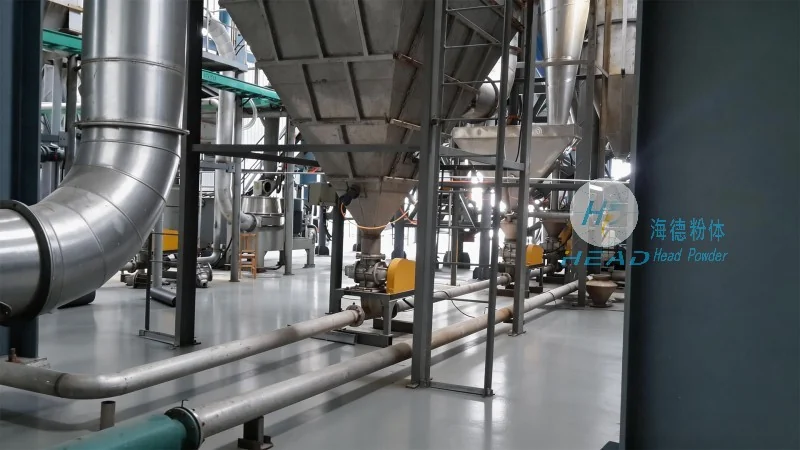
Before designing a pneumatic conveying system for mica sand powder, it is essential to understand the material properties and operational demands. Mica sand powder, with its unique particle size, density, and flow characteristics, requires a system tailored to handle these specific attributes. Factors such as the material's moisture content, abrasiveness, and dust generation must be considered to ensure the system's longevity and efficiency. Additionally, the desired conveying distance, flow rate, and system layout (e.g., dilute-phase or dense-phase) will influence the design choices. By thoroughly analyzing these requirements, engineers can select the most appropriate conveying method and equipment.
Key Design Considerations for Pneumatic Conveying Systems
Several critical factors must be addressed during the design phase of a mica sand powder pneumatic conveying system. First, the system's capacity and flow rate are determined based on the production volume and processing speed. The choice between dilute-phase and dense-phase conveying depends on the material's properties and the required conveying distance. Dilute-phase systems are suitable for shorter distances and lower material loads, while dense-phase systems offer better control and reduced wear on equipment, making them ideal for longer distances or sensitive materials like mica sand powder. Another important consideration is the air pressure and flow rate, which must be calculated to ensure sufficient force to move the material through the pipeline without excessive energy consumption. The system's layout, including the number of transfer points, bends, and filters, also impacts the overall performance and maintenance needs.
Selecting Appropriate Equipment for Mica Sand Powder Conveying
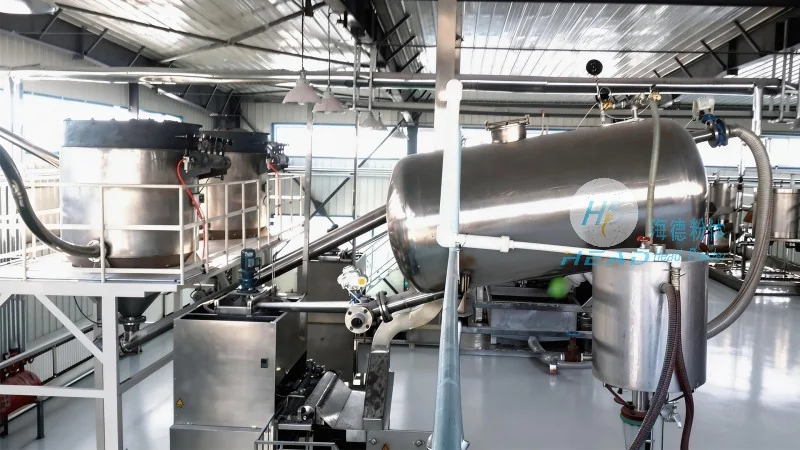
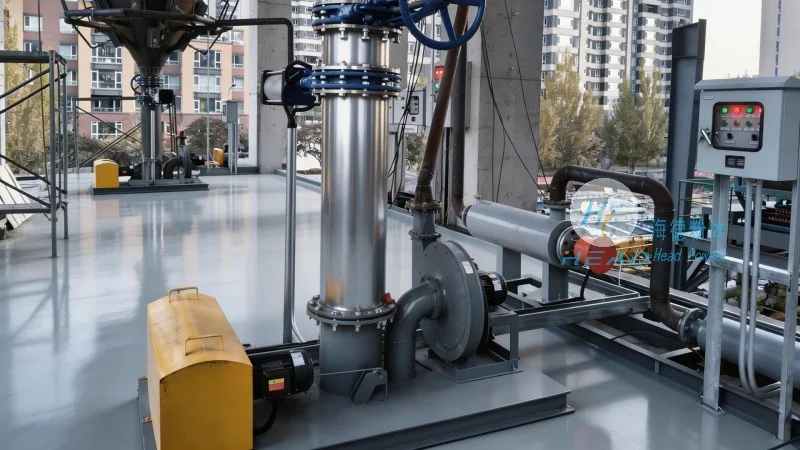
Choosing the right equipment is vital for the success of a mica sand powder pneumatic conveying system. The primary components include the material feeder, air compressor, conveying pipeline, and dust collection system. The material feeder must be capable of handling the powder's flow characteristics, such as its tendency to clog or segregate. A rotary valve or screw feeder is often used for mica sand powder due to its ability to maintain a consistent flow rate and prevent material buildup. The air compressor should provide sufficient pressure and volume to meet the system's requirements, with options like rotary screw or centrifugal compressors available depending on the scale and pressure needs. The conveying pipeline, typically made of stainless steel or PVC, must be designed to withstand the abrasive nature of mica sand powder and resist corrosion. Properly sized and positioned filters are essential to remove dust and maintain air quality, ensuring compliance with environmental regulations and protecting downstream equipment.
Calculating System Parameters and Ensuring Efficiency
Accurate calculation of system parameters is essential to optimize the performance and energy efficiency of a mica sand powder pneumatic conveying system. The air velocity in the pipeline must be calculated to ensure the material is suspended and conveyed effectively without excessive wear or pressure drop. The pressure drop across the system components, including bends, filters, and transfer points, must be considered to determine the required air pressure. By using formulas and empirical data specific to mica sand powder, engineers can estimate the necessary air flow rate and pressure. Additionally, the system's energy consumption can be minimized by selecting the appropriate air compressor size and optimizing the pipeline layout. Regular maintenance and monitoring of system parameters, such as pressure and flow rate, are crucial to maintain efficiency and prevent downtime.
Implementing and Maintaining a Reliable Mica Sand Powder Pneumatic Conveying System
Once the design is finalized, the implementation phase involves installing and commissioning the system. Proper installation, including correct alignment of components and secure connections, is critical to avoid leaks and ensure smooth operation. Commissioning involves testing the system under various conditions to verify its performance and identify any issues. Regular maintenance, including cleaning filters, checking air compressor performance, and inspecting pipeline integrity, is essential to extend the system's lifespan and maintain efficiency. For mica sand powder systems, periodic inspection of the material feeder and pipeline for wear or buildup is recommended to prevent clogging and maintain consistent flow. By following these guidelines, businesses can ensure a reliable and efficient mica sand powder pneumatic conveying system that meets their operational needs.

Conclusion: Partnering with HeadPowder for Expert Solutions
Designing a reasonable mica sand powder pneumatic conveying system requires a comprehensive understanding of material properties, operational demands, and equipment selection. Shandong HeadPowder Engineering Co., Ltd. provides expert consultation and tailored solutions to help businesses achieve efficient and reliable material handling. By considering the key factors outlined in this article, companies can develop a system that optimizes performance, reduces energy consumption, and ensures long-term operational success. For more information or customized solutions, contact HeadPowder for professional guidance in designing and implementing a mica sand powder pneumatic conveying system.