

[Foam Plastic Conveying Methods: An Overview of the Advantages and Features of Pneumatic Conveying S
For industries dealing with foam plastics, selecting the right conveying method is crucial for efficiency, cost-effectiveness, and material integrity. Among the various options available, pneumatic conveying stands out as a highly effective solution, offering unique advantages that cater to the specific properties of foam materials. This article explores the different foam plastic conveying methods and delves into the key benefits and features of pneumatic conveying systems, providing insights into how these technologies can enhance operational performance.
Introduction to Foam Plastic Conveying Methods
Conveying foam plastics involves transporting lightweight, porous materials that require specialized handling to prevent damage or degradation. Traditional methods like belt conveyors or screw conveyors may not be suitable due to the low density and tendency of foam to collapse or become compacted during transport. As a result, industries have turned to more advanced solutions such as pneumatic conveying, vacuum systems, and mechanical handling equipment. Each method has its own set of applications and limitations, making it essential to evaluate the specific needs of the process before choosing the most appropriate system.
HeadPowder: A Leading Provider of Conveying Solutions
Shandong HeadPowder Engineering Co., Ltd., a prominent company based in China, specializes in designing and manufacturing advanced conveying systems tailored to the demands of foam plastic processing. With a strong commitment to innovation and customer satisfaction, HeadPowder offers a range of solutions that optimize material handling while ensuring minimal product damage. The company’s expertise in pneumatic conveying, in particular, has positioned it as a trusted partner for businesses seeking reliable and efficient foam plastic transport solutions.
Common Foam Plastic Conveying Methods
Several methods are commonly used for conveying foam plastics, each with distinct characteristics and applications. The primary options include:
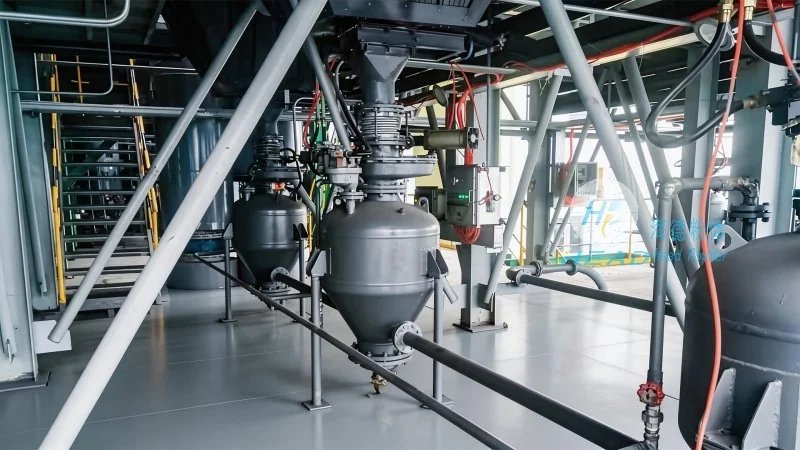
Pneumatic Conveying: This method uses air pressure to move materials through a pipeline, making it ideal for lightweight, dusty, or fragile materials like foam. Pneumatic systems can be categorized into pressure, vacuum, or mixed systems, each offering different flow rates and material handling capabilities.
Vacuum Conveying: Vacuum systems create a negative pressure to draw materials into the conveying line, often used for short-distance transport or when the material is prone to dust or contamination. This method is particularly effective for handling fine or irregularly shaped foam particles.
Mechanical Conveyors: Including belt conveyors, screw conveyors, and bucket elevators, mechanical systems rely on physical contact to move materials. While suitable for some foam types, they may cause compression or damage to the material's structure, especially for soft or low-density foams.
The Advantages of Pneumatic Conveying for Foam Plastics
Pneumatic conveying systems offer several key advantages that make them the preferred choice for many foam plastic applications. The primary benefits include:
Non-Contact Handling: Unlike mechanical conveyors, pneumatic systems transport materials without physical contact, preventing compression, deformation, or damage to the foam's cellular structure. This is critical for maintaining the material's insulation properties and dimensional stability.
High Efficiency and Flexibility: Pneumatic conveying allows for continuous, high-volume material transport over long distances with minimal downtime. The system can be easily adjusted to handle varying material loads and flow rates, providing flexibility in production processes.
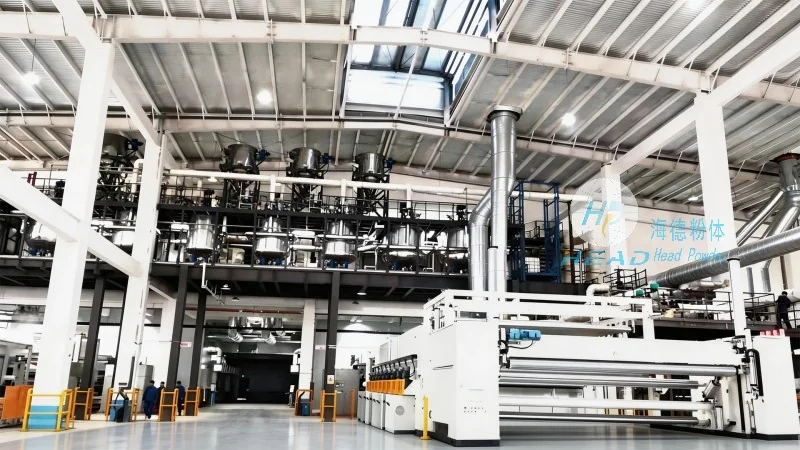
Reduced Labor and Maintenance: Automated pneumatic systems require less manual intervention compared to traditional mechanical conveyors, reducing labor costs and the risk of human error. Additionally, the lack of moving parts in the conveying line minimizes maintenance requirements and extends the system's lifespan.
Contamination Control: Pneumatic systems can be designed with enclosed pipelines and filtration systems to prevent cross-contamination and maintain material purity. This is particularly important for foam plastics used in food, medical, or automotive applications where quality and safety are paramount.
Key Features of Pneumatic Conveying Systems for Foam Plastics
Modern pneumatic conveying systems for foam plastics incorporate advanced features that enhance performance and reliability. These features include:
Variable Airflow Control: Advanced control systems allow for precise adjustment of air pressure and flow rate, ensuring optimal material transport without excessive energy consumption or material degradation.
Material Separation and Drying: Some systems integrate separation and drying units to remove moisture or contaminants from the foam, improving material quality and preventing issues like mold growth or reduced insulation efficiency.
Modular Design: Modular pneumatic systems can be customized to fit specific facility layouts and production requirements, allowing for easy expansion or reconfiguration as business needs evolve.
Energy Efficiency: Modern systems utilize energy-saving technologies, such as variable frequency drives (VFDs), to optimize air usage and reduce operational costs while maintaining high performance.
Applications and Use Cases
Pneumatic conveying systems are widely used in various industries that process foam plastics, including:

Automotive Manufacturing: Conveying foam components for seat cushions, insulation, and interior parts, ensuring consistent quality and minimal damage during transport.
Construction Materials: Handling foam insulation boards and panels for building applications, where efficient and clean transport is essential for maintaining material integrity.
Food and Beverage Industry: Conveying foam packaging materials or insulation products, where hygiene and contamination control are critical.
Medical Devices: Transporting foam components for medical equipment, such as cushions or insulation, requiring strict quality and safety standards.
Conclusion
When it comes to conveying foam plastics, pneumatic systems offer a superior solution compared to traditional mechanical methods. The non-contact handling, high efficiency, and flexibility of these systems make them ideal for maintaining the integrity of lightweight, porous materials. As a leading provider of conveying solutions, Shandong HeadPowder Engineering Co., Ltd. continues to innovate and provide tailored pneumatic systems that meet the evolving needs of industries dealing with foam plastics. By leveraging the advantages of pneumatic conveying, businesses can enhance their operational efficiency, reduce costs, and ensure the quality of their foam products.