

How to Design a Reasonable Titanium Dioxide Pneumatic Conveying System Plan?
Shandong HeadPowder Engineering Co., Ltd., commonly known as HeadPowder, is a leading engineering firm based in Shandong, China. With years of experience in the chemical and material processing industry, HeadPowder specializes in the design and implementation of advanced material handling systems, particularly for high-value and fine powders like titanium dioxide. The company's team of engineers and technicians brings together deep technical knowledge and practical field experience to deliver customized solutions that meet the unique needs of clients across various industries.
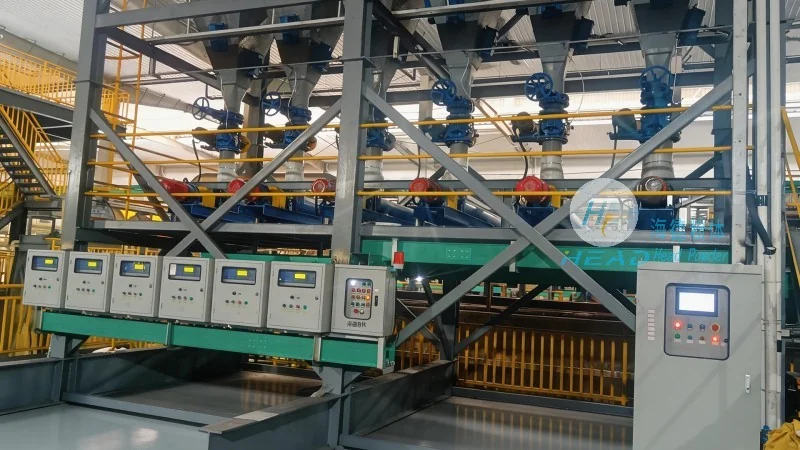
The Importance of a Well-Designed Pneumatic Conveying System for Titanium Dioxide
Titanium dioxide (TiO₂) is a critical white pigment used in a wide range of applications, from paints and coatings to plastics and cosmetics. Its fine particle size and high purity make it a challenging material to handle efficiently. A poorly designed pneumatic conveying system can lead to issues such as particle degradation, system inefficiency, and increased maintenance costs. Conversely, a well-engineered system ensures consistent material flow, maintains product quality, and maximizes operational efficiency. This makes the design of a titanium dioxide pneumatic conveying system a critical step in any production process involving this valuable material.
Key Considerations in Designing a Titanium Dioxide Pneumatic Conveying System
Designing a pneumatic conveying system for titanium dioxide requires careful consideration of several key factors to ensure optimal performance and longevity. The first step is to assess the specific characteristics of the titanium dioxide being handled, including its particle size distribution, moisture content, and bulk density. These properties directly influence the selection of the conveying method—whether it's a pressure or vacuum system—and the required air velocity and pressure. For titanium dioxide, which is typically a fine powder, a pressure system is often preferred due to its ability to handle high volumes and maintain consistent flow rates.

System Layout and Components
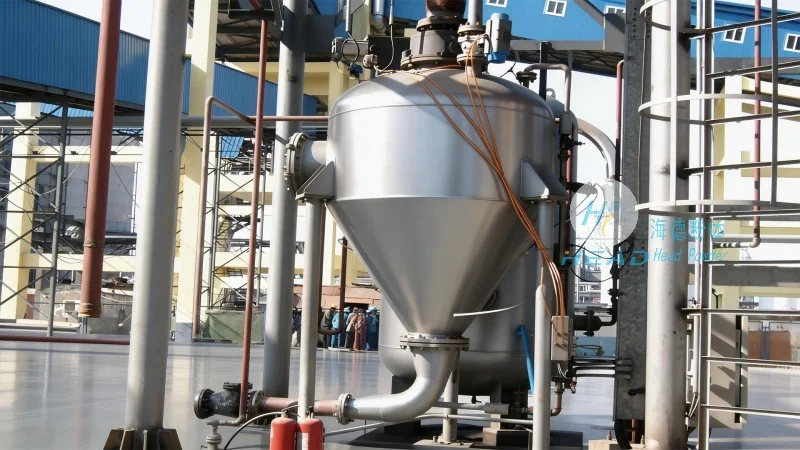
The layout of the pneumatic conveying system must be carefully planned to minimize the risk of material degradation and system blockages. Key components include the material feed hopper, which should be designed to prevent agglomeration and ensure a smooth flow of powder into the system. The conveyor line itself, made of materials resistant to corrosion and abrasion, is critical. For titanium dioxide, which can be abrasive, materials like stainless steel or specialized plastic liners are often used to protect the system from wear. The air compressor and filter system are also essential, as they must provide clean, dry air to prevent contamination of the product. Additionally, the system should include appropriate dust collection and filtration equipment to comply with environmental regulations and maintain a safe working environment.
Material Handling and Flow Control
Effective flow control is crucial in a titanium dioxide pneumatic conveying system to prevent surges or backflow that could damage equipment or degrade the product. The system should incorporate features such as flow meters, pressure sensors, and control valves to monitor and adjust the flow rate as needed. For high-purity applications, the system must be designed to minimize the risk of cross-contamination, which may involve using separate lines for different product grades or implementing strict cleaning protocols. The design should also account for the potential for material buildup in the system, with provisions for regular maintenance and cleaning to ensure long-term reliability.
Integration with Existing Production Lines
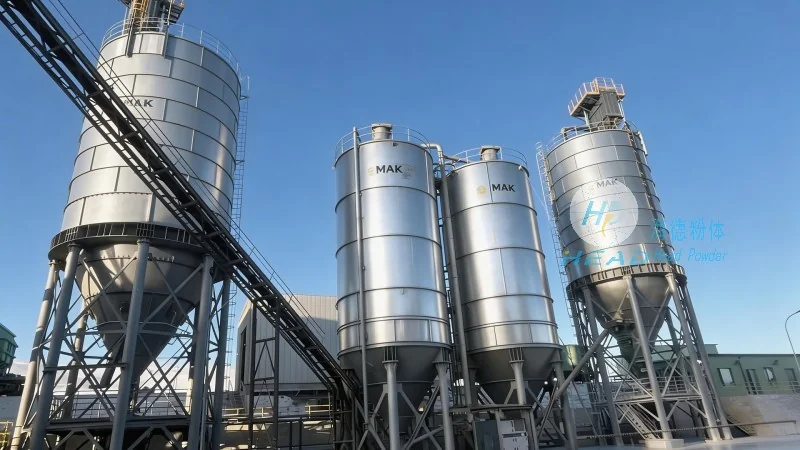
When designing a pneumatic conveying system for titanium dioxide, it is essential to consider its integration with the existing production line. This includes coordinating with other equipment such as mixers, storage silos, and packaging machinery to ensure seamless material transfer. The system should be designed to fit within the available space and operational constraints of the facility, while still meeting the required throughput and efficiency targets. HeadPowder's engineers work closely with clients to understand their production processes and identify opportunities for optimization, ensuring that the new system complements rather than disrupts existing operations.
Testing and Commissioning
Before the pneumatic conveying system is put into full operation, thorough testing and commissioning are necessary to verify its performance and identify any potential issues. This typically involves running the system with a sample of titanium dioxide under various conditions to check for flow rates, pressure drops, and system efficiency. The testing phase also includes checking for leaks, ensuring proper filtration, and verifying that all safety features are functioning correctly. Once the system has been successfully tested and commissioned, it is ready for full-scale production, with HeadPowder providing ongoing support and maintenance to ensure continued optimal performance.