

How to Design a Reasonable Nanopowder Pneumatic Conveying System Plan
When it comes to handling nanopowders, the design of an efficient and reliable pneumatic conveying system is crucial for ensuring product integrity, process stability, and operational efficiency. This article will guide you through the key considerations and steps involved in designing a reasonable nanopowder pneumatic conveying system, with a focus on practical applications and industry best practices.
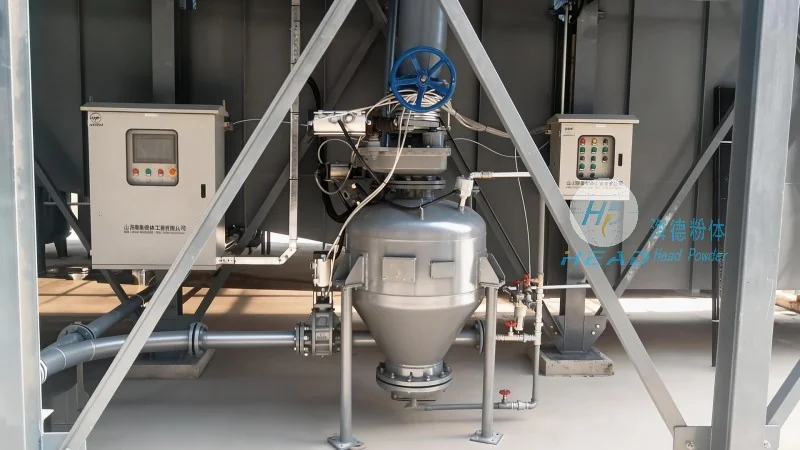
Understanding the Core Principles of Nanopowder Pneumatic Conveying
Nanopowders, defined as powders with at least one dimension in the nanometer range, present unique challenges in material handling due to their high surface area, low bulk density, and tendency to agglomerate. Traditional bulk material handling methods often fail to address these characteristics, making pneumatic conveying an ideal solution. The fundamental principle of pneumatic conveying involves transporting particles through a pipeline using a gas stream, typically air or a mixture of air and other gases. This method offers advantages such as continuous operation, minimal product contamination, and the ability to handle materials in a closed system, which is essential for maintaining the purity of sensitive nanopowders.
Key Design Factors for Nanopowder Pneumatic Conveying Systems
Designing a successful nanopowder pneumatic conveying system requires careful consideration of several critical factors. The first is the selection of the appropriate conveying type, which can be categorized into pressure or vacuum systems. Pressure systems use positive pressure to push material through the pipeline, while vacuum systems use negative pressure to pull material. The choice between these depends on factors like the distance to be covered, the height of the conveying line, and the material's properties. For nanopowders, which have a high dust loading, pressure systems are often preferred due to their ability to handle higher material loads and maintain consistent flow rates.
Another critical factor is the design of the feed system. Proper feeding is essential to prevent material bridging, clogging, and uneven flow, all of which can lead to system inefficiencies and product degradation. The feed hopper should be designed with features such as a conical bottom, aeration ports, and a discharge valve that can be controlled to regulate the flow rate. For nanopowders, which are prone to agglomeration, the hopper may need to include vibration or agitator mechanisms to break up clumps and ensure a consistent feed.
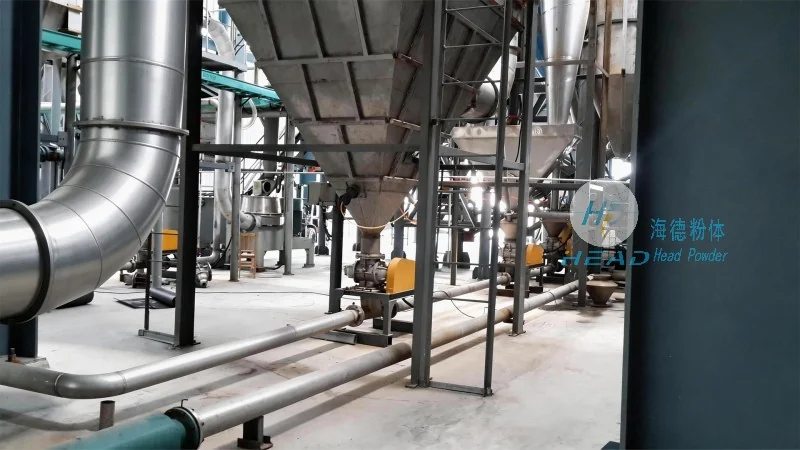
Component Selection and System Layout
The selection of components, including the air compressor, cyclone separators, and pipeline materials, plays a vital role in the performance of the pneumatic conveying system. The air compressor must be capable of delivering sufficient pressure and volume to overcome the resistance in the pipeline and maintain the desired flow rate. For nanopowders, which have a high dust loading, the compressor should be equipped with filtration systems to prevent particle accumulation and ensure clean air delivery.
Cyclone separators are used to separate the conveyed material from the air stream, allowing the nanopowder to be collected and the air to be recycled. The design of the cyclone, including its diameter, cone angle, and inlet velocity, must be optimized to achieve high separation efficiency without causing excessive pressure drop. The material of the cyclone and other components should be selected based on the chemical compatibility with the nanopowder and the need for easy cleaning and maintenance.
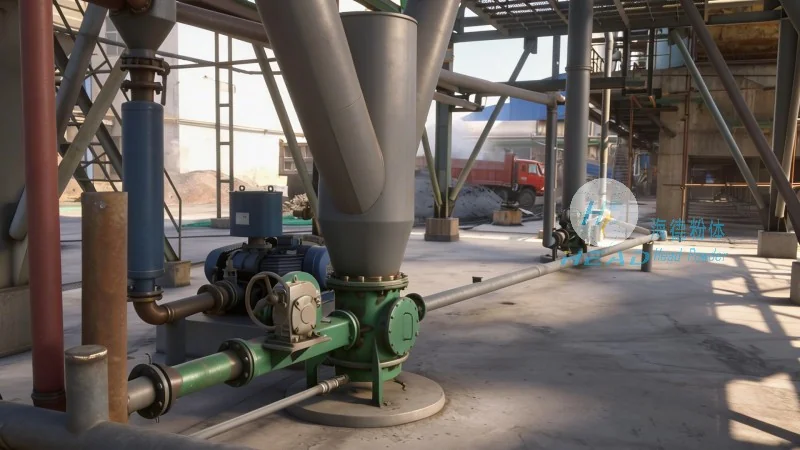
The pipeline layout is another important aspect of system design. The pipeline should be designed to minimize bends and changes in direction, as these can cause pressure losses and increase the risk of material deposition. For nanopowders, which are prone to settling, the pipeline should be inclined at an appropriate angle to prevent material buildup. Additionally, the use of smooth, non-porous materials for the pipeline, such as stainless steel or PTFE-coated pipes, is recommended to reduce friction and prevent material adhesion.
HeadPowder's Expertise in Nanopowder Pneumatic Conveying Solutions
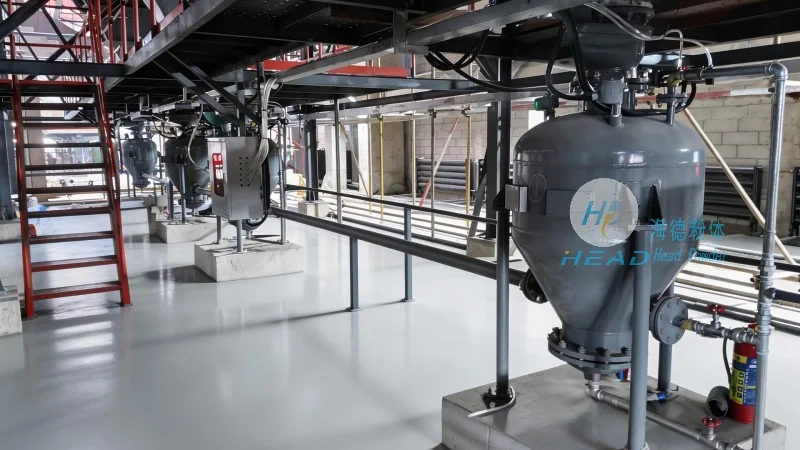
Shandong HeadPowder Engineering Co., Ltd., commonly known as HeadPowder, is a leading provider of customized nanopowder pneumatic conveying systems. With years of experience in the field, HeadPowder specializes in designing and manufacturing systems tailored to the unique requirements of nanopowder applications. The company's team of engineers and technicians work closely with clients to understand their specific needs, from material properties and processing requirements to operational constraints and budget considerations.
HeadPowder's approach to system design involves a comprehensive analysis of the client's process, including the material's flow characteristics, particle size distribution, and moisture content. This analysis helps in determining the optimal conveying type, component specifications, and system layout. The company uses advanced simulation tools and laboratory testing to validate the design and ensure that the system will meet the performance expectations. For example, HeadPowder may conduct pilot tests to evaluate the material's behavior under different conveying conditions and adjust the system parameters accordingly.
HeadPowder's systems are designed with a focus on durability, efficiency, and ease of maintenance. The use of high-quality materials and components ensures long-term reliability, while the modular design allows for easy upgrades and modifications as the client's needs evolve. The company also provides comprehensive after-sales support, including installation, commissioning, and training services, to ensure that clients can operate the system effectively and achieve optimal performance.
Conclusion and Recommendations
Designing a reasonable nanopowder pneumatic conveying system requires a deep understanding of the material's properties, the conveying principles, and the system components. By considering factors such as conveying type, feed system design, component selection, and system layout, engineers can develop a system that is efficient, reliable, and cost-effective. For businesses dealing with nanopowders, partnering with a specialized company like Shandong HeadPowder Engineering Co., Ltd. can provide the expertise and support needed to implement a successful pneumatic conveying solution.