

How to Design a Reasonable Zinc Oxide Pneumatic Conveying System Plan
For industrial applications involving the transport of zinc oxide, selecting and designing an efficient pneumatic conveying system is crucial for maintaining product quality, ensuring operational reliability, and optimizing overall process efficiency. This article provides a comprehensive guide on the key considerations and steps involved in designing a suitable zinc oxide pneumatic conveying system, tailored for the specific needs of industrial operations.

Introduction to Zinc Oxide Pneumatic Conveying Systems
Zinc oxide (ZnO) is a widely used chemical compound in various industries, including pharmaceuticals, ceramics, and rubber manufacturing. The handling and transportation of ZnO powders require specialized equipment to prevent product degradation, contamination, and operational inefficiencies. Pneumatic conveying systems offer a non-contact method of transporting bulk materials like ZnO, minimizing the risk of particle degradation and ensuring consistent product quality throughout the process. A well-designed system can significantly improve material flow, reduce downtime, and enhance overall production throughput.
Key Design Considerations for Zinc Oxide Pneumatic Conveying
When designing a pneumatic conveying system for zinc oxide, several critical factors must be evaluated to ensure optimal performance and reliability. These considerations include material properties, system configuration, air flow management, and equipment selection. Each of these aspects plays a vital role in determining the system's effectiveness and longevity.
Material Properties and Their Impact on System Design
Zinc oxide powders exhibit specific characteristics that influence the choice of conveying system. Key material properties include particle size distribution, bulk density, flowability, and moisture content. For instance, fine-grained ZnO powders may require higher air velocities to prevent clogging and ensure smooth transport, while coarser particles might benefit from lower velocities to reduce energy consumption. Understanding these properties is essential for selecting the appropriate conveying method—such as dilute-phase or dense-phase transport—and determining the necessary air pressure and flow rates.
System Configuration and Layout
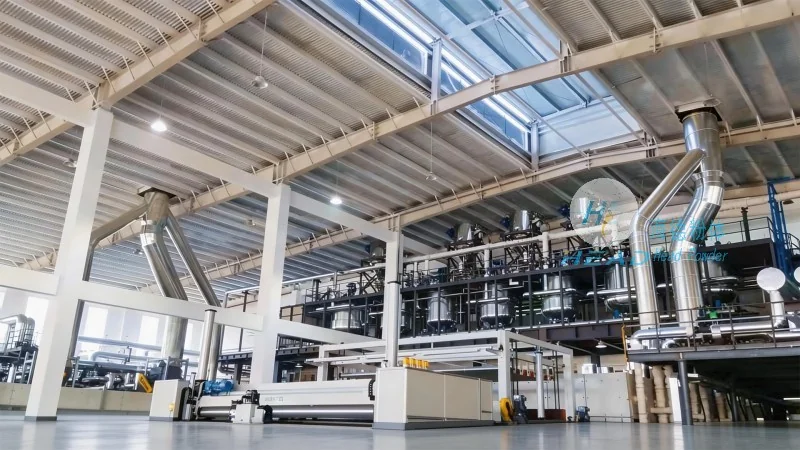
The layout and configuration of the pneumatic conveying system are critical to its efficiency. The system typically consists of a material feed hopper, a conveyor line (including ducts and fittings), a receiver or destination vessel, and a dust collection system. The design must account for the distance between the feed and discharge points, the number of turns or bends in the ductwork, and the vertical or horizontal orientation of the conveying path. Properly sizing the ducts and selecting appropriate fittings (e.g., elbows, tees, and valves) is essential to minimize pressure drop and maintain consistent air flow. Additionally, the system layout should consider the need for dust collection and environmental compliance, ensuring that airborne particles are effectively captured and handled.
Air Flow Management and Pressure Requirements
Effective air flow management is central to the performance of a pneumatic conveying system. The air velocity must be sufficient to entrain the ZnO particles and maintain a stable flow, but not so high as to cause excessive energy consumption or particle degradation. The pressure required for the system depends on the conveying distance, the height of vertical lifts, and the system's overall resistance. For long-distance or high-rise conveying, higher air pressures may be necessary to overcome the gravitational and frictional forces acting on the material. Properly sizing the air compressor or blower and ensuring adequate air filtration are also critical to maintaining system efficiency and preventing equipment wear.
Equipment Selection and Integration
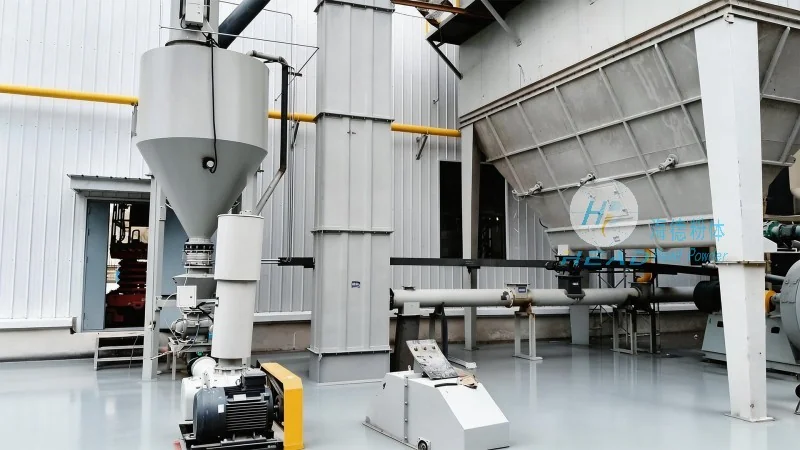
The choice of equipment components, such as the feeders, air movers, and receivers, directly impacts the system's performance and reliability. For zinc oxide, which can be abrasive or sensitive to moisture, selecting materials that resist corrosion and wear is essential. For example, stainless steel or specialized alloys may be preferred for components that come into direct contact with the material. The feeder, which controls the material flow rate, should be designed to handle the specific flow characteristics of ZnO, ensuring a consistent and controlled discharge. The receiver, where the material is deposited, should be equipped with proper sealing and venting to prevent contamination and maintain product integrity.
Implementation and Commissioning Steps
Implementing a pneumatic conveying system involves several key steps to ensure successful operation. First, a thorough site assessment is conducted to determine the optimal system layout and equipment placement. This includes measuring distances, identifying potential obstacles, and assessing the available space for the system components. Next, the system is designed based on the material properties and operational requirements, with calculations for air flow, pressure, and component sizing. The equipment is then selected and ordered, and the system is assembled and installed according to the design specifications. During commissioning, the system is tested to verify that it meets the required performance parameters, such as material flow rate, pressure drop, and air velocity. Adjustments are made as needed to optimize the system's operation, and final testing is conducted to ensure compliance with safety and environmental standards.
Maintenance and Operational Best Practices
Proper maintenance is essential to ensure the long-term reliability and efficiency of a zinc oxide pneumatic conveying system. Regular inspections of components, such as ducts, fittings, and air filters, are necessary to detect and address any issues before they lead to system failures. Cleaning the system, particularly the ductwork and receivers, is important to prevent the buildup of material and maintain air flow efficiency. Monitoring air pressure and flow rates during operation helps identify any deviations from the design parameters, allowing for timely adjustments. Additionally, training operators on proper system operation and maintenance procedures is crucial to minimize downtime and maximize system performance.
Conclusion
Designing a reasonable zinc oxide pneumatic conveying system requires a comprehensive understanding of material properties, system configuration, and operational requirements. By carefully evaluating these factors and selecting appropriate equipment, industrial operations can achieve efficient, reliable, and cost-effective transport of ZnO powders. The expertise of companies like Shandong HeadPowder Engineering Co., Ltd. (headpowder) in designing and implementing such systems ensures that clients receive tailored solutions that meet their specific needs and enhance overall process performance.