

How to Design a Reasonable Molybdenum Trioxide Pneumatic Conveying System Plan?
When it comes to handling molybdenum trioxide (MoO₃) in industrial settings, the design of an efficient and reliable pneumatic conveying system is crucial. This article provides a comprehensive guide on how to design a reasonable molybdenum trioxide pneumatic conveying system plan, focusing on key technical aspects, system components, and practical considerations to ensure optimal performance and safety.
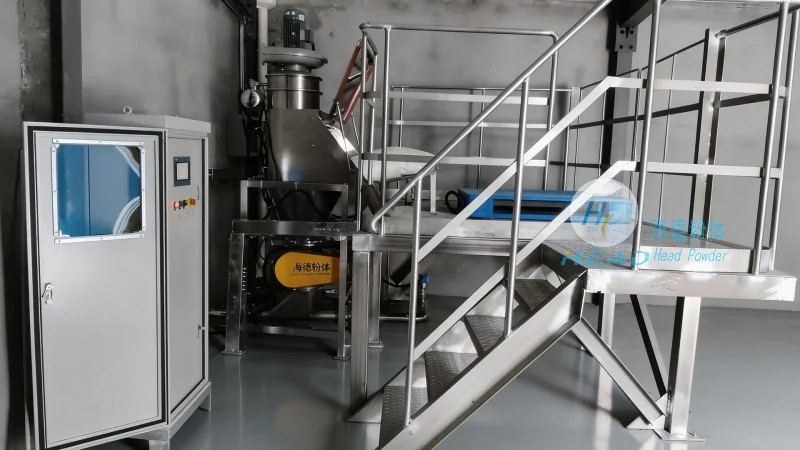
Introduction to Molybdenum Trioxide Pneumatic Conveying System Design
Molybdenum trioxide is a high-value chemical compound widely used in the production of molybdenum alloys, catalysts, and other industrial applications. Due to its fine particle size and potentially abrasive nature, traditional bulk handling methods may not be suitable. Pneumatic conveying offers a solution by using air or other gases to transport the material through a pipeline system. A well-designed system not only enhances material handling efficiency but also minimizes dust exposure and operational risks. The process involves selecting appropriate equipment, determining system parameters, and ensuring compliance with safety standards.
Key Considerations for System Design
Before designing a molybdenum trioxide pneumatic conveying system, several critical factors must be evaluated. First, the physical and chemical properties of the material are paramount. MoO₃ particles are typically fine and can be hygroscopic, which affects their flowability and dust generation. The system designer must consider particle size distribution, bulk density, and moisture content to select the right type of conveying system—such as pressure or vacuum conveying. Second, the distance and elevation changes between the source and destination of the material are essential. Long-distance or high-rise applications may require higher air pressure or more powerful blowers. Third, the system's capacity and required flow rate must be determined based on production rates and operational demands. These factors collectively influence the choice of equipment, such as the blower size, pipeline diameter, and number of bends.
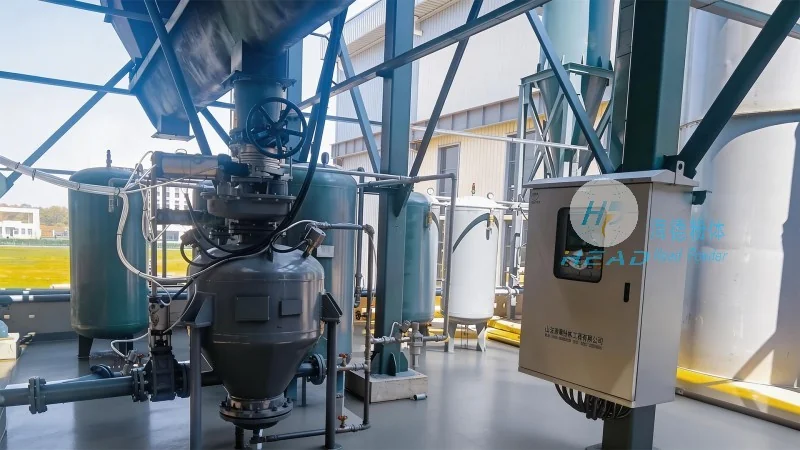
Components of a Pneumatic Conveying System
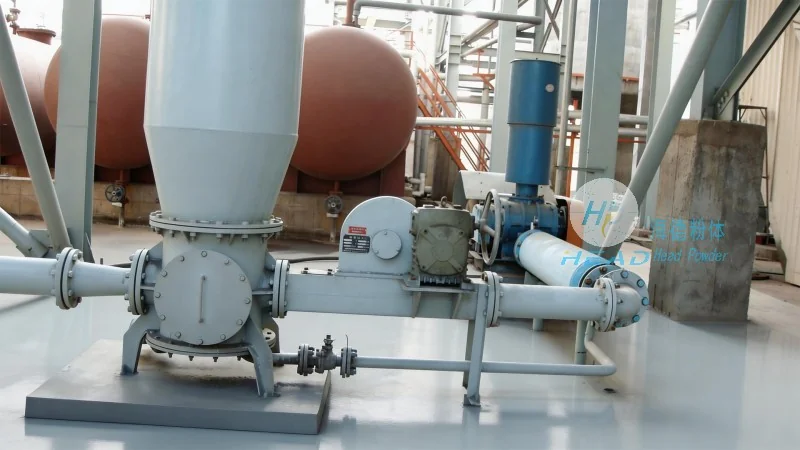
A molybdenum trioxide pneumatic conveying system consists of several key components that work in tandem to ensure smooth material transport. The primary components include the material feeder, which introduces the MoO₃ into the system, often using a rotary valve or screw feeder to control the flow rate. The air supply system, typically a positive displacement blower or a centrifugal fan, generates the necessary pressure or vacuum to move the material. The conveying pipeline, made of materials resistant to corrosion and abrasion (such as stainless steel or PTFE-lined pipes), carries the material and air mixture. The system also includes a separator, which separates the material from the air at the receiving end, and a filter to capture any residual dust. Additionally, control devices like pressure regulators, flow meters, and safety valves are integrated to monitor and regulate the system's performance.
System Sizing and Flow Rate Calculations
Accurate sizing of the pneumatic conveying system is critical to avoid underperformance or excessive energy consumption. The flow rate of the system is calculated based on the material's bulk density, particle size, and the desired conveying velocity. The conveying velocity is typically maintained between 20-30 meters per second for pressure systems and 5-10 meters per second for vacuum systems to ensure efficient transport without excessive pressure drop or particle separation. The pipeline diameter is determined by the required flow rate and the conveying velocity, using formulas that account for the material's properties and the system's pressure drop. Proper sizing ensures that the system operates within its optimal range, minimizing energy costs and maximizing material throughput.
Material Handling and Safety Measures
Handling molybdenum trioxide requires strict adherence to safety protocols due to its potential health hazards and the nature of pneumatic conveying systems. MoO₃ is a toxic substance that can cause respiratory issues if inhaled, so dust control is a top priority. The system should include dust collection and filtration systems to capture any airborne particles. Additionally, pressure relief valves and explosion-proof components are essential to prevent overpressure and ensure safety in case of system malfunctions. The material feeder and discharge points should be designed to minimize spillage and dust generation. Regular maintenance and inspection of the system components are also necessary to ensure long-term safety and reliability.
Customization and Integration with Existing Facilities
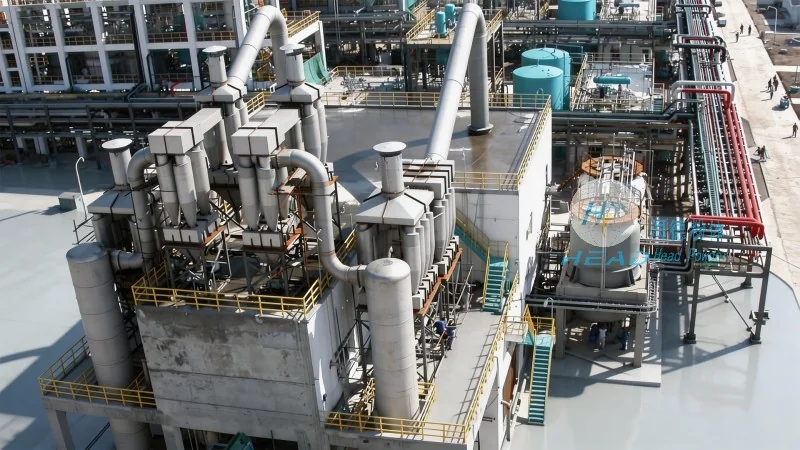
Many industrial facilities have existing infrastructure that may need to be integrated with a new molybdenum trioxide pneumatic conveying system. The design process should consider the compatibility of the new system with existing pipelines, electrical systems, and control panels. Customization may involve adapting the system to fit within limited space or to connect to existing material storage or processing equipment. The system designer must also evaluate the impact of the new system on the overall plant layout and operational workflow. By working closely with the client, the design can be tailored to meet specific production requirements while minimizing disruptions to existing operations.
Shandong HeadPowder Engineering Co., Ltd., headquartered in Shandong, China, specializes in designing and implementing molybdenum trioxide pneumatic conveying systems. With years of experience in the industry, the company leverages advanced engineering principles and state-of-the-art equipment to deliver customized solutions that meet the unique needs of each client. HeadPowder's team of experts works closely with clients to assess their material handling challenges, develop tailored system designs, and ensure compliance with industry standards and safety regulations. The company's commitment to quality and customer satisfaction has made it a trusted partner for businesses seeking reliable and efficient molybdenum trioxide handling solutions.