

How to Choose the Right Pneumatic Conveying System for Your Copper Sulfate Handling Process?
When it comes to managing the transportation of copper sulfate in industrial settings, selecting the appropriate pneumatic conveying system is crucial for efficiency, safety, and cost-effectiveness. Copper sulfate, often used in agriculture, water treatment, and chemical manufacturing, presents unique challenges due to its properties such as hygroscopic nature and potential for dust generation. A well-designed pneumatic conveying system not only ensures the safe and reliable movement of this material but also minimizes operational risks and enhances overall process performance.
Understanding the Importance of Pneumatic Conveying for Copper Sulfate
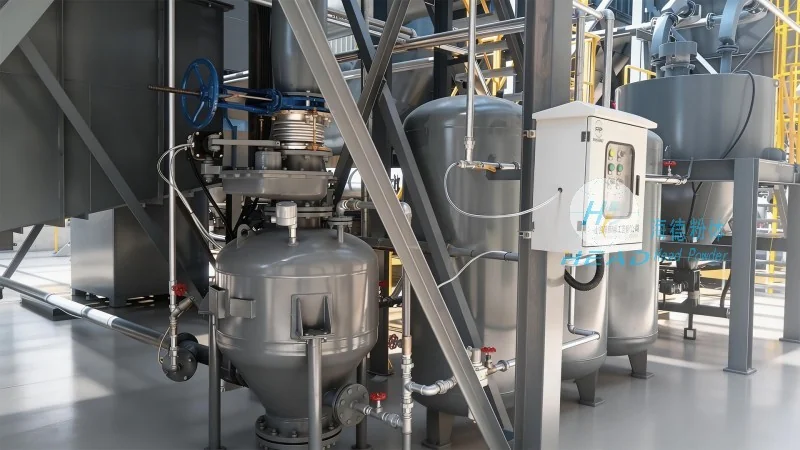
Copper sulfate is a hygroscopic chemical, meaning it readily absorbs moisture from the air. This characteristic can lead to caking or clumping during handling, which may obstruct pipelines and reduce system efficiency. Traditional bulk material handling methods, such as belt conveyors or bucket elevators, may struggle with these issues, especially when dealing with large volumes or long-distance transport. Pneumatic conveying systems, on the other hand, offer a solution by using air to transport the material in a closed system, preventing exposure to ambient conditions and maintaining the material's integrity.
Key Factors to Consider When Selecting a Pneumatic Conveying System
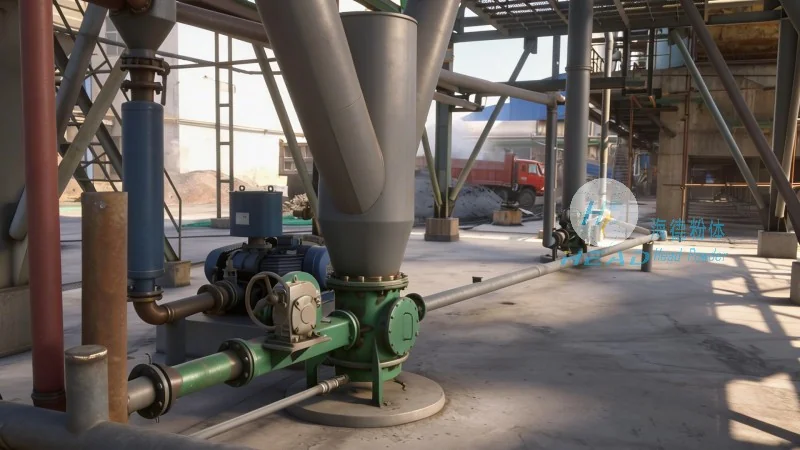
Choosing the right pneumatic conveying system for copper sulfate handling involves evaluating several critical factors. The first consideration is the material's physical properties, including particle size, density, and flowability. Copper sulfate particles can vary in size, and the system must be designed to handle these variations without causing blockages or excessive pressure drops. For instance, a system with adjustable air velocities and pressure control can accommodate different particle sizes, ensuring smooth operation.
Another important factor is the distance and elevation changes between the source and destination points. Horizontal and vertical distances will dictate the type of conveying system—such as dilute-phase or dense-phase systems. Dilute-phase systems are suitable for short to medium distances and low to moderate elevation changes, while dense-phase systems are ideal for longer distances or significant vertical lifts. The choice of system directly impacts energy consumption and operational costs, making it essential to match the system to the specific process requirements.
System Components and Design Considerations
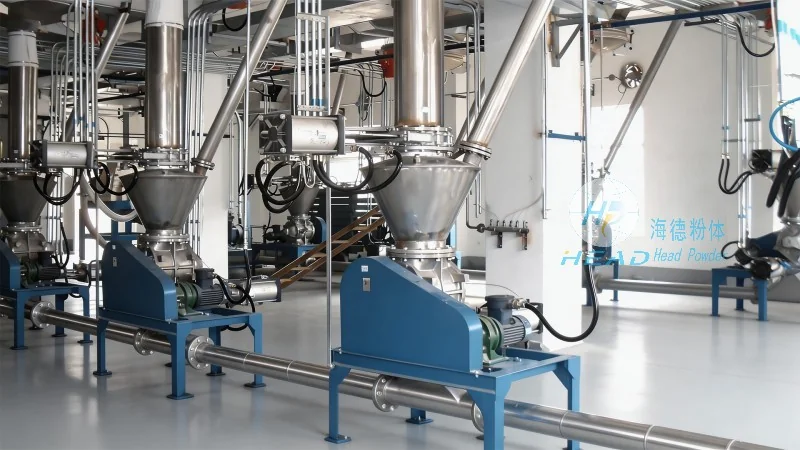
A pneumatic conveying system for copper sulfate typically consists of several key components, including a feeder, a conveying line, a receiver, and a dust collection system. The feeder is responsible for feeding the material into the system at a consistent rate, preventing surges or gaps that could disrupt the flow. For copper sulfate, a rotary valve or a star feeder is often preferred due to their ability to handle hygroscopic materials without clogging. The conveying line, made of materials resistant to corrosion and wear, such as stainless steel or polyethylene, ensures durability and prevents contamination of the material.
The receiver is where the material is deposited, and it must be designed to handle the specific characteristics of copper sulfate, such as its tendency to cake. A well-designed receiver with proper venting and cleaning mechanisms helps maintain system efficiency and prevents material buildup. Additionally, a dust collection system, such as a baghouse or cartridge filter, is essential to capture any airborne particles and ensure compliance with environmental regulations. This system not only protects the environment but also maintains the quality of the copper sulfate by preventing contamination from external sources.
Energy Efficiency and Maintenance Considerations
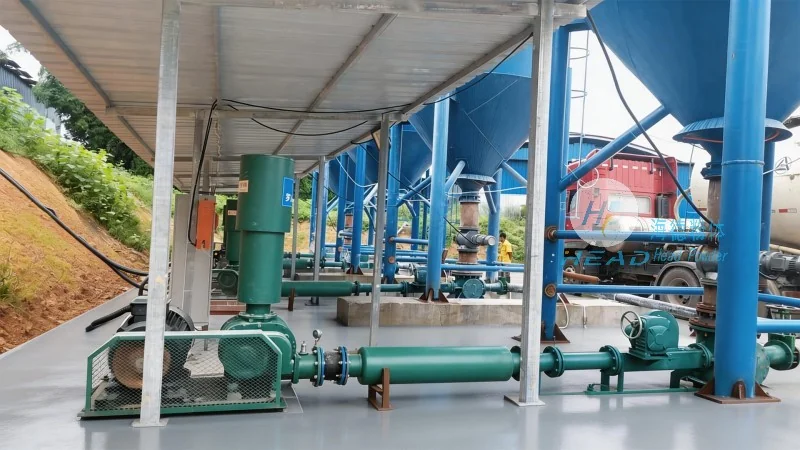
Energy consumption is a significant factor in the long-term operation of a pneumatic conveying system. The system's design, including the air compressor and pressure control, plays a crucial role in optimizing energy use. Modern systems often incorporate variable frequency drives (VFDs) to adjust air pressure and flow based on the material's demand, reducing energy waste. Regular maintenance is also critical to ensure the system operates efficiently and reliably. Components such as filters, seals, and bearings require periodic inspection and replacement to prevent failures and minimize downtime.
For industrial facilities handling copper sulfate, partnering with a specialized engineering company can provide tailored solutions. Shandong HeadPowder Engineering Co., Ltd., a leading provider of bulk material handling systems, offers comprehensive services including system design, installation, and maintenance. With a deep understanding of copper sulfate properties and pneumatic conveying technologies, HeadPowder engineers can develop customized solutions that meet specific operational needs. The company's expertise in material flow analysis and system optimization ensures that the chosen system is not only efficient but also cost-effective over its lifecycle.
Conclusion: Selecting the Right System for Copper Sulfate Handling
Choosing the appropriate pneumatic conveying system for copper sulfate handling requires careful consideration of material properties, operational requirements, and system design. By evaluating factors such as particle size, distance, and energy efficiency, industrial facilities can select a system that enhances productivity, reduces operational risks, and maintains the quality of the material. With the right system in place, copper sulfate can be transported safely and reliably, supporting the smooth operation of various industrial processes. Shandong HeadPowder Engineering Co., Ltd. stands ready to assist with the design and implementation of such systems, leveraging their expertise to deliver solutions that meet the unique needs of copper sulfate handling applications.