

How to Design a Reasonable Air-Driven Conveying System for Lithium Battery Positive Electrode Materi
For companies in the lithium battery industry, the efficient and safe handling of positive electrode materials is a critical aspect of production. The air-driven conveying system, as a key solution for material transport, requires careful design to meet the specific needs of lithium battery positive electrode materials. This article will introduce the key considerations and design steps for developing a reasonable air-driven conveying system for lithium battery positive electrode materials, based on the expertise of Shandong HeadPowder Engineering Co., Ltd., a leading provider in this field.
Understanding the Material Characteristics of Lithium Battery Positive Electrode Materials
Before designing an air-driven conveying system, it is essential to understand the physical and chemical properties of lithium battery positive electrode materials. These materials typically include active substances such as lithium cobalt oxide (LiCoO₂), lithium iron phosphate (LiFePO₄), and lithium nickel manganese cobalt oxide (NMC), among others. Each material has unique characteristics, such as particle size distribution, moisture content, and dust generation during transport. For example, fine powders like LiCoO₂ are prone to static electricity and require special measures to prevent agglomeration and loss. The particle size and shape directly affect the air flow resistance and the selection of the conveying equipment. Therefore, accurate material characterization is the foundation for system design.
Key Factors in Selecting the Air-Driven Conveying System Type
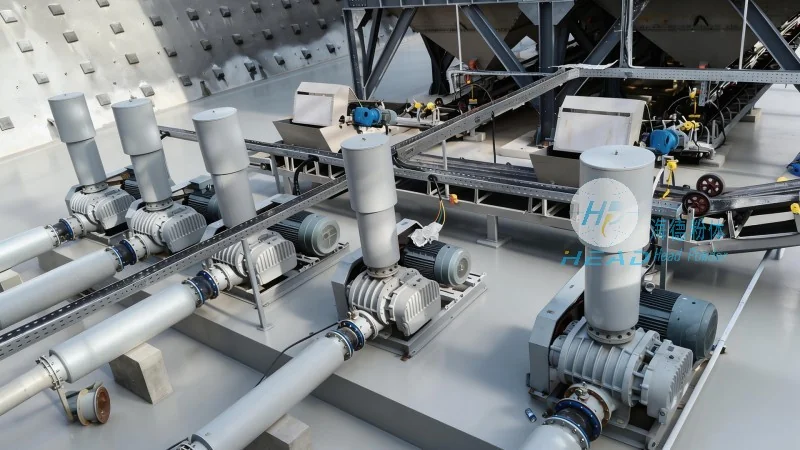
There are several types of air-driven conveying systems, including positive pressure, negative pressure, and mixed pressure systems. The choice of system type depends on the material characteristics, transport distance, and production scale. Positive pressure systems are suitable for short-distance transport and materials with low dust generation, while negative pressure systems are more effective for long-distance transport and materials that are prone to dust. Mixed pressure systems combine the advantages of both, offering flexibility for complex production lines. For lithium battery positive electrode materials, the selection of a system must consider the material's sensitivity to moisture and oxygen, as well as the need to maintain a stable and clean environment. Shandong HeadPowder Engineering Co., Ltd. provides customized solutions based on the specific requirements of each client, ensuring optimal performance and safety.
Design Steps for a Reasonable Air-Driven Conveying System
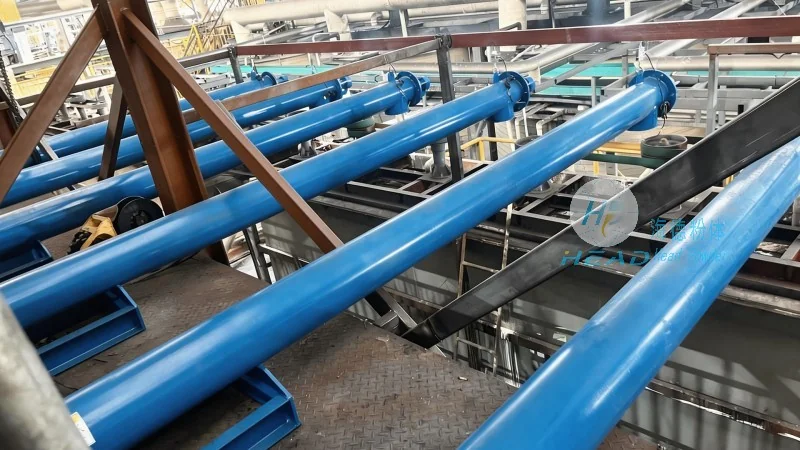
The design of an air-driven conveying system involves several key steps. First, the material flow rate and the required conveying capacity are determined based on production demand. This involves calculating the mass flow rate and the air volume needed to achieve the desired transport speed. Second, the layout of the conveying pipeline is planned, considering the production site layout and the need to minimize material deposition and blockage. The pipeline diameter, length, and the number of bends are critical factors that affect the system's efficiency and reliability. Third, the selection of the air compressor and the air filter system is essential. The air compressor must provide sufficient pressure and volume to overcome the resistance of the pipeline and the material. The air filter system is crucial for maintaining the purity of the conveying air, preventing contamination of the positive electrode materials. Fourth, the control system is designed to ensure the stable operation of the conveying process. This includes sensors for monitoring pressure, flow, and material level, as well as automatic control mechanisms to adjust the air flow and prevent overloading.

Ensuring Safety and Compliance in System Operation
When designing an air-driven conveying system for lithium battery positive electrode materials, safety is a top priority. The system must comply with relevant national and industry standards, such as those related to explosion-proof design and dust control. The use of explosion-proof air compressors and proper grounding of the equipment is essential to prevent the risk of fire or explosion. Additionally, the system should be equipped with dust collection and filtration devices to minimize the release of fine particles into the environment. Regular maintenance and inspection of the system are also necessary to ensure its long-term safe operation. Shandong HeadPowder Engineering Co., Ltd. adheres to strict safety standards and provides comprehensive after-sales service to ensure the system operates safely and reliably.
Conclusion: Customized Solutions for Optimal Performance
In conclusion, designing a reasonable air-driven conveying system for lithium battery positive electrode materials requires a comprehensive understanding of material characteristics, system selection, and detailed design steps. By considering the specific needs of each production site and adhering to safety and efficiency principles, companies can achieve optimal performance in material handling. Shandong HeadPowder Engineering Co., Ltd. offers professional engineering services and customized solutions to meet the diverse requirements of the lithium battery industry, helping clients improve production efficiency and ensure product quality.