

How to Design a Reasonable Pneumatic Conveying System for Lithium-Ion Battery Positive and Negative
When it comes to the efficient and safe handling of lithium-ion battery electrode materials, the design of a pneumatic conveying system plays a crucial role. Proper system design ensures optimal material flow, reduces contamination risks, and enhances overall production efficiency. This article will explore the key considerations and best practices for designing a reasonable pneumatic conveying system specifically for lithium-ion battery positive and negative electrode materials, with a focus on the expertise of Shandong HeadPowder Engineering Co., Ltd. (HeadPowder).
Understanding the Core Requirements for Pneumatic Conveying in Battery Material Processing
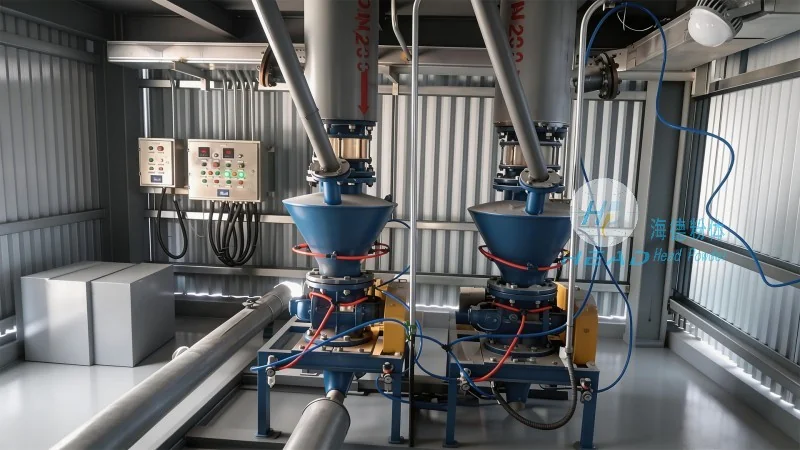
The first step in designing a pneumatic conveying system for lithium-ion battery electrode materials is to understand the unique characteristics of these materials. Electrode powders, such as graphite, lithium iron phosphate, and nickel manganese cobalt oxide (NMC), often have specific particle sizes, moisture content, and flow properties that impact system performance. For instance, fine powders like NMC can be prone to agglomeration, while larger particles like graphite may require higher air velocities to maintain flow. HeadPowder recognizes these nuances and tailors system designs to accommodate the specific material properties of each client.
Key Design Factors for a Reliable Pneumatic Conveying System
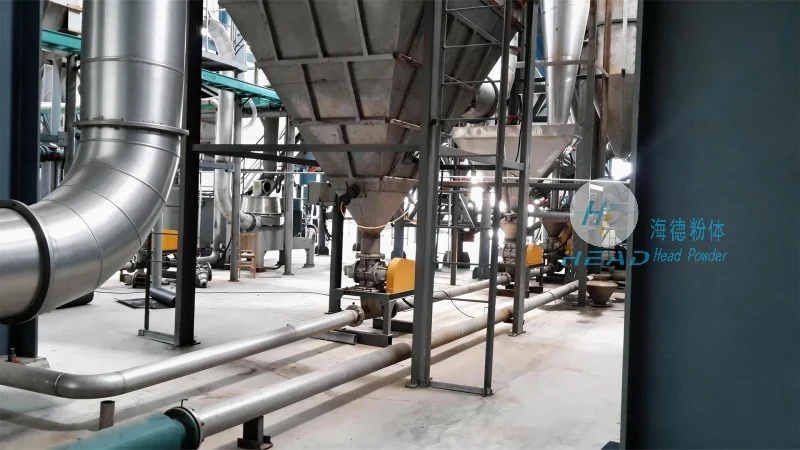
Several critical factors must be considered when designing a pneumatic conveying system for battery materials. These include the system's capacity, the type of conveying (e.g., dilute-phase or dense-phase), the material's particle size distribution, and the required conveying distance. Dilute-phase systems are commonly used for shorter distances and lighter materials, while dense-phase systems are preferred for longer distances or materials that are more prone to segregation. HeadPowder engineers evaluate these factors to recommend the most suitable system configuration. Additionally, the system must be designed to minimize material degradation, which is critical for maintaining the quality of the electrode materials. This involves selecting appropriate equipment, such as high-efficiency cyclones and low-pressure drop pipelines, to prevent particle attrition and contamination.
System Components and Their Role in Ensuring Efficiency
A pneumatic conveying system for battery materials typically consists of several key components, each playing a vital role in the overall operation. The primary components include the material feed hopper, the air compressor or blower, the conveying line, and the material separation and collection equipment. The feed hopper is designed to handle the bulk material and feed it into the system at a controlled rate. The air compressor provides the necessary pressure and airflow to move the material through the pipeline. The conveying line, often made of stainless steel to prevent corrosion, transports the material from the feed point to the collection point. The separation equipment, such as cyclones or bag filters, separates the material from the air stream and collects it in a clean container. HeadPowder ensures that each component is selected and sized appropriately to meet the specific requirements of the application, ensuring consistent performance and minimal downtime.
Addressing Challenges and Ensuring System Reliability
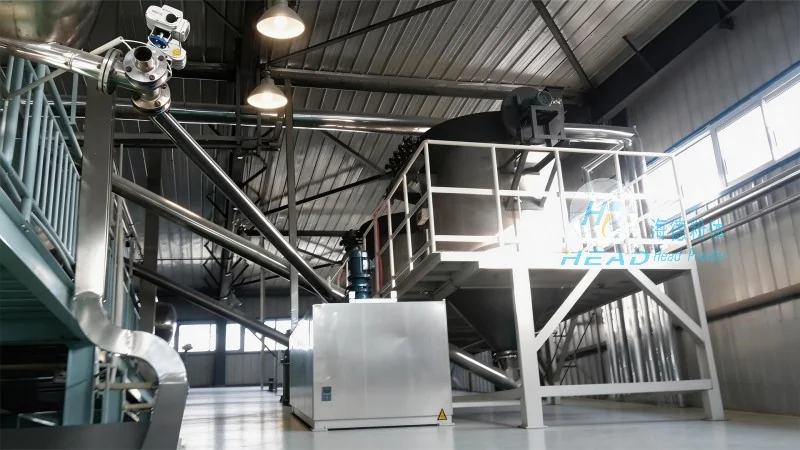
Designing a pneumatic conveying system for lithium-ion battery materials presents several challenges, including material variability, potential for dust explosions, and the need for high-purity environments. HeadPowder addresses these challenges through advanced engineering solutions. For example, to prevent dust explosions, the system may incorporate explosion-proof components and proper venting mechanisms. To maintain high purity, the system is designed with sealed components and minimal contact points to avoid contamination. Additionally, the system is equipped with monitoring and control systems that allow for real-time adjustments to maintain optimal performance. HeadPowder's team of experts works closely with clients to identify potential issues and implement solutions that ensure the system operates reliably and safely over the long term.
Customization and After-Sales Support from HeadPowder
At Shandong HeadPowder Engineering Co., Ltd., we understand that each battery manufacturing facility has unique requirements. Therefore, we offer customized pneumatic conveying system solutions tailored to the specific needs of our clients. Our engineers work closely with clients to assess their production processes, material characteristics, and operational goals to design a system that meets their exact specifications. After the system is installed, HeadPowder provides comprehensive after-sales support, including maintenance services, spare parts availability, and technical assistance. This ensures that the system continues to operate at peak efficiency and that any issues are addressed promptly. Our commitment to quality and customer satisfaction has made HeadPowder a trusted partner for many battery manufacturers in China and beyond.