

Common Potash Fertilizer Conveying Methods and the Advantages of HeadPowder Pneumatic Conveying Systems
Potash fertilizers are essential for modern agriculture, providing crucial potassium nutrients that enhance crop yields and soil health. The efficient and safe transport of these materials from storage to application sites is critical for optimizing agricultural productivity. Various conveying methods are employed in the industry, each with distinct characteristics and suitability for different operational needs. Understanding these methods is vital for selecting the most appropriate system for specific applications.
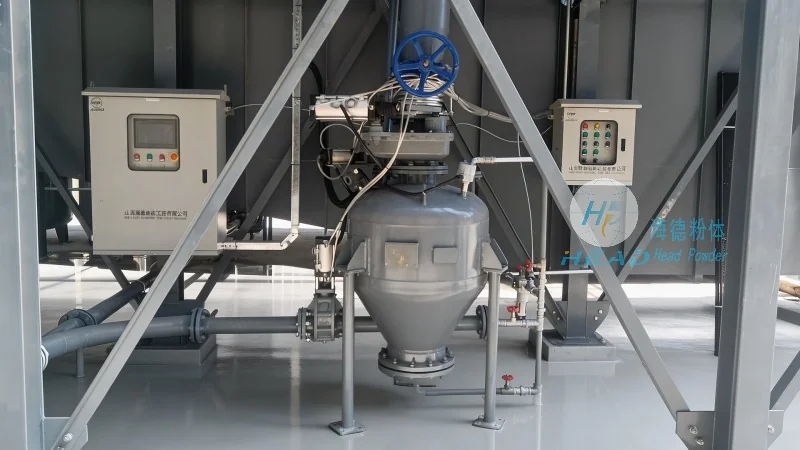
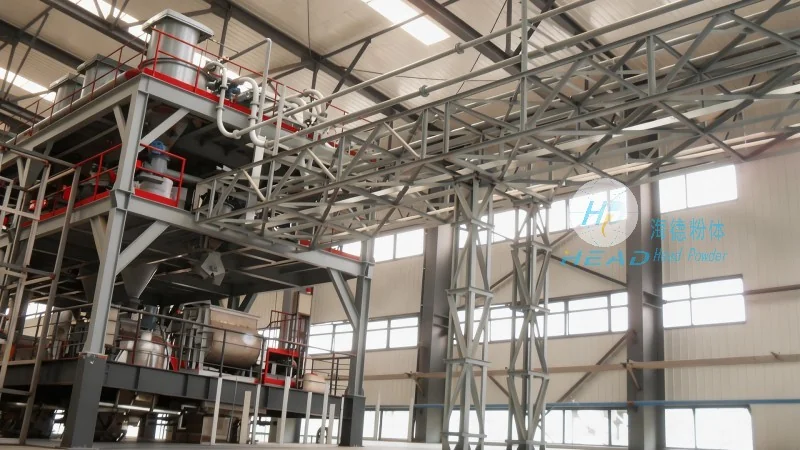
Introduction to Potash Fertilizer Conveying Methods
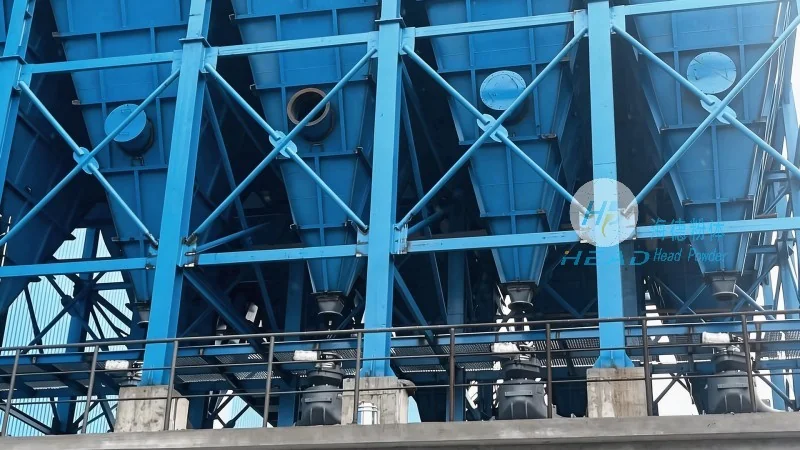
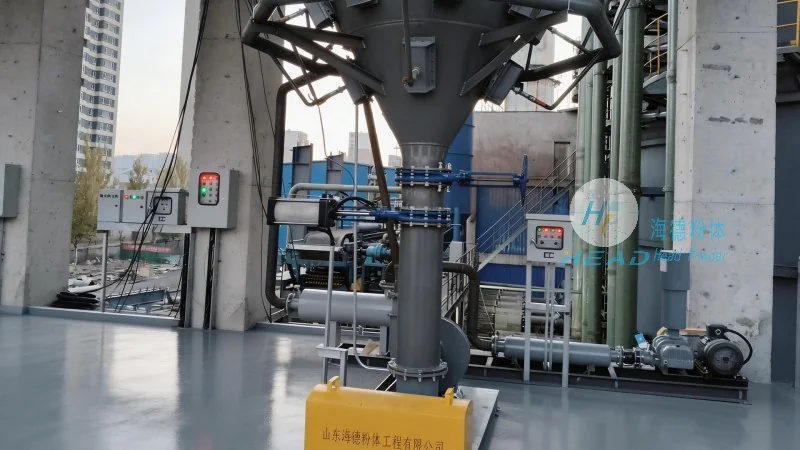
Potash fertilizers, a cornerstone of modern agricultural practices, play a pivotal role in enhancing soil fertility and boosting crop yields by providing essential potassium nutrients. The efficient and reliable transport of these bulk materials from storage to application sites is a critical operational challenge for agricultural and fertilizer processing facilities. Various conveying methods have been developed to address this need, each with distinct advantages and limitations based on factors such as material properties, distance, and operational scale. Understanding the common potash fertilizer conveying methods is essential for selecting the most suitable system for specific applications, ensuring optimal performance and cost-effectiveness.