

What Are the Types of Dust Collection Ash Conveying Methods?
When it comes to managing dust collection ash, the choice of conveying method is crucial for efficiency, safety, and operational reliability. As a leading provider in the field, Shandong HeadPowder Engineering Co., Ltd. specializes in offering comprehensive solutions tailored to diverse industrial needs. With operations based in Shandong, China, the company has built a reputation for delivering high-quality equipment and expert guidance in dust handling systems.
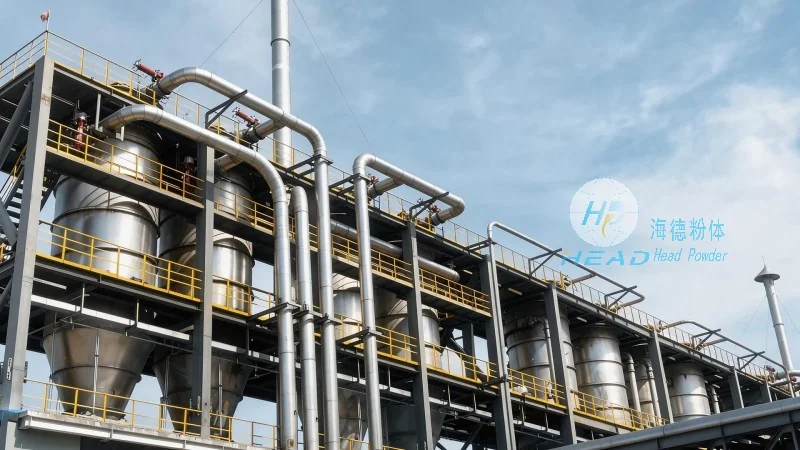
Understanding the Importance of Effective Ash Conveying
Efficient ash removal is a critical step in maintaining the performance of dust collection systems. The method used to transport collected ash from the collection point to storage or disposal sites directly impacts the overall system's effectiveness. Poor conveying can lead to system downtime, increased maintenance costs, and environmental compliance issues. Therefore, selecting the right ash conveying method is essential for optimizing the entire dust management process.
Common Conveying Methods for Dust Collection Ash
Several methods are commonly employed in industrial settings to transport dust collection ash. Each method has its own advantages and is suitable for different applications based on factors such as ash characteristics, distance, and system layout. The primary options include pneumatic conveying, screw conveyors, belt conveyors, and hydraulic systems. Let's explore each of these methods in detail.
Pneumatic Conveying Systems
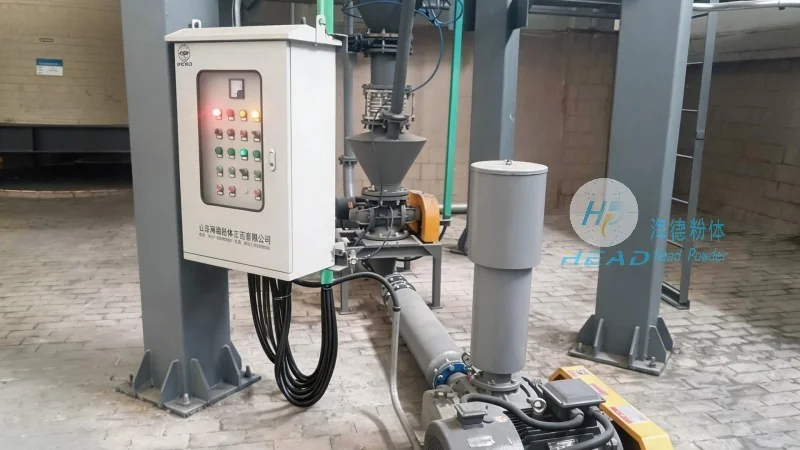
Pneumatic conveying uses air pressure to transport ash particles through a pipeline. This method is highly effective for handling fine or abrasive materials and can cover long distances with minimal maintenance. There are two main types: positive pressure and negative pressure systems. Positive pressure systems blow air into the pipeline, pushing the ash forward, while negative pressure systems create a vacuum to draw the ash into the system. Pneumatic conveying is particularly suitable for applications where dust containment is a priority and where the ash needs to be transported over significant distances without the need for multiple transfer points.
Screw Conveyors
Screw conveyors, also known as auger conveyors, use a rotating screw to move ash through a trough. This method is ideal for handling bulk materials and is commonly used in applications where the ash is relatively dry and free-flowing. Screw conveyors are relatively simple in design, making them cost-effective and easy to install. They are suitable for short to medium distances and can be integrated with other equipment such as mixers or feeders. However, they may not be as effective for very fine or sticky ash particles, as these can cause blockages or excessive wear on the screw and trough.
Belt Conveyors
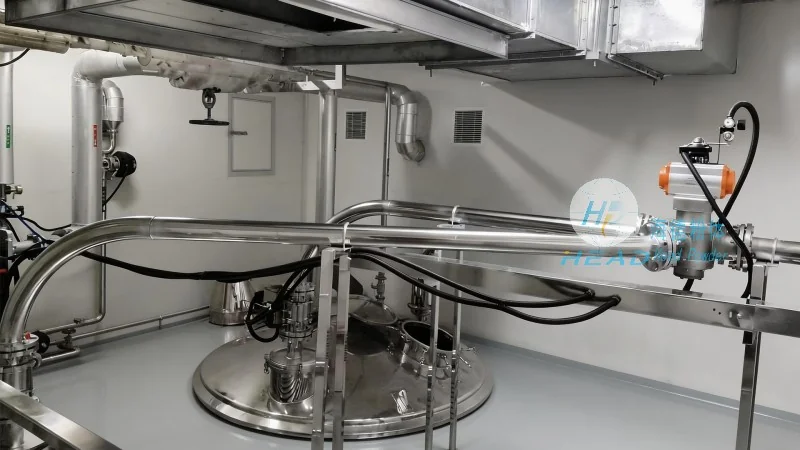
Belt conveyors use a continuous belt to transport ash from one location to another. This method is well-suited for transporting larger volumes of ash over longer distances and is commonly used in mining and power generation industries. Belt conveyors can handle a wide range of ash sizes and can be equipped with special features such as idlers and pulleys to ensure smooth operation. They are particularly effective for outdoor applications where the ash needs to be transported over uneven terrain or to storage facilities. However, belt conveyors require regular maintenance to prevent belt wear and slippage, and they may not be suitable for very fine ash particles that can cause dusting issues.
Hydraulic Conveying Systems
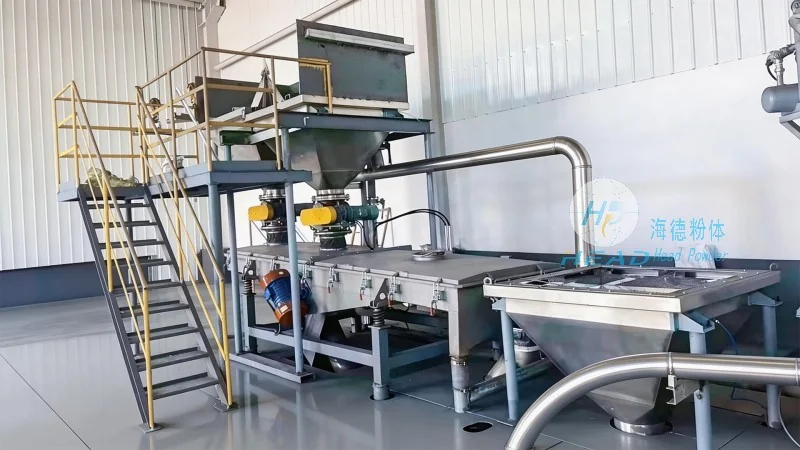
Hydraulic conveying systems use water or a slurry to transport ash through a pipeline. This method is effective for handling wet or sticky ash and can be used to transport ash over long distances with minimal energy consumption. The ash is mixed with water to form a slurry, which is then pumped through the pipeline to the disposal site. Hydraulic systems are particularly suitable for applications where the ash is highly abrasive or where the environment is sensitive to dust emissions. However, they require additional equipment such as pumps and water treatment systems, which can increase the overall cost and complexity of the system.
Choosing the Right Conveying Method for Your Application
When selecting a conveying method for dust collection ash, several factors must be considered. The first is the characteristics of the ash itself, including its particle size, moisture content, and abrasiveness. The second is the distance and layout of the system, as this will determine the most efficient and cost-effective method. The third is the environmental and safety requirements of the application, as some methods may be more suitable for indoor or outdoor use. Additionally, the budget and maintenance capabilities of the facility should be taken into account. By carefully evaluating these factors, industrial facilities can choose the most appropriate ash conveying method to ensure optimal performance and compliance with regulations.
Conclusion
Efficient ash conveying is a critical component of any dust collection system, and the choice of method can significantly impact the overall performance and reliability of the system. Shandong HeadPowder Engineering Co., Ltd. offers a range of conveying solutions tailored to meet the specific needs of industrial applications. By leveraging their expertise and experience, facilities can select the most suitable method to transport dust collection ash, ensuring smooth operation and compliance with environmental standards. Whether using pneumatic, screw, belt, or hydraulic systems, the key is to choose a method that is efficient, reliable, and cost-effective for the specific application.