Công ty TNHH Kỹ thuật Headpowder Sơn Đông chuyên vận chuyển khí nén bột và hạt. Nhờ thế mạnh hợp tác doanh nghiệp‑trường‑viện, chúng tôi cung cấp giải pháp vận chuyển kín, không bụi, độ chính xác cao.
Calcined ash, a byproduct of industrial processes such as coal combustion, requires efficient and reliable transportation systems to ensure safe and effective handling. The choice of conveying method for calcined ash is critical, as it impacts operational efficiency, safety, and environmental compliance. This article explores the primary methods used for calcined ash conveyance, detailing their applications, advantages, and considerations for implementation.
1. Screw Conveyors for Calcined Ash Transport
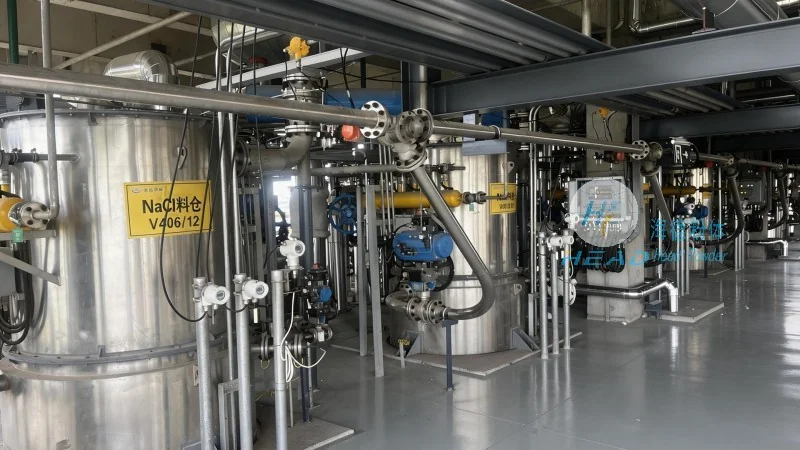
Screw conveyors, also known as auger conveyors, are a popular choice for calcined ash transport due to their simplicity and effectiveness in handling dry, free-flowing materials. These systems consist of a rotating screw (auger) inside a cylindrical trough, which moves the ash from the inlet to the outlet through the force of rotation. The design of the screw pitch and flight angle is tailored to the specific characteristics of calcined ash, ensuring minimal blockage and consistent flow. Screw conveyors are particularly suitable for horizontal or slight incline applications, making them ideal for short to medium distance transport within industrial facilities. They offer advantages such as low maintenance requirements, compact design, and the ability to operate in enclosed environments, reducing dust exposure and improving safety. However, their capacity is generally lower compared to other bulk material handling systems, and they may not be suitable for very abrasive or sticky ash types without additional modifications.
2. Pneumatic Conveying Systems for Calcined Ash
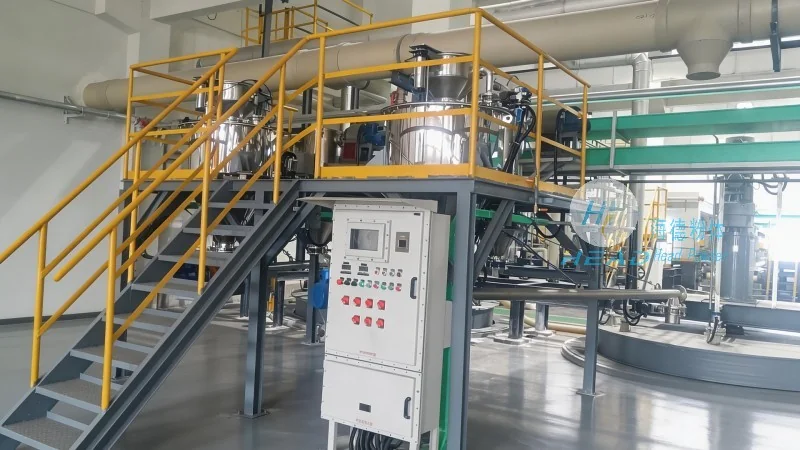
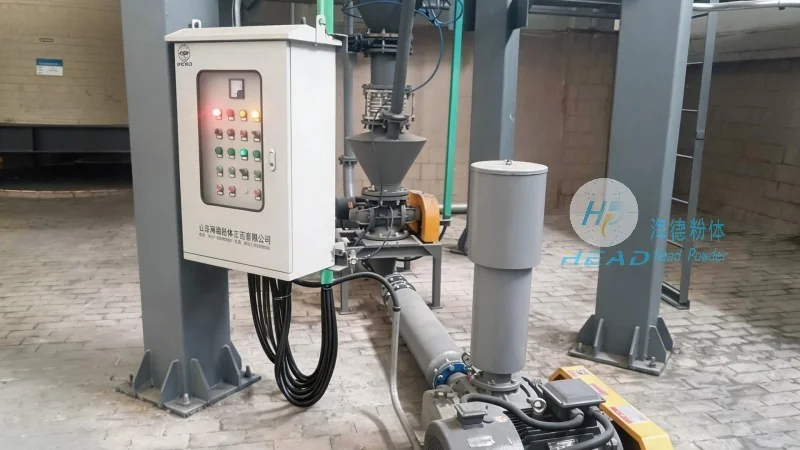
Pneumatic conveying systems utilize air or gas to transport calcined ash through a network of pipes. These systems can be categorized into two main types: pressure and vacuum. Pressure systems force air through the material, propelling it forward, while vacuum systems create a negative pressure to draw the ash into the pipeline. Pneumatic conveyors are highly effective for long-distance transport, as they can move ash over several hundred meters without the need for intermediate transfer points. They are also suitable for applications requiring enclosed transport, which helps in controlling dust emissions and maintaining environmental standards. The flexibility of pneumatic systems allows for integration with existing infrastructure, and they can handle a wide range of ash characteristics, including those with varying moisture content or particle sizes. However, pneumatic conveying may require higher energy consumption compared to mechanical systems, and the design must account for air leakage and pressure drop to ensure efficient operation. Additionally, the system's performance can be affected by the ash's density and flowability, necessitating careful selection of air velocity and pipeline diameter.
3. Belt Conveyors for Bulk Calcined Ash Handling
Belt conveyors are a robust and widely used method for transporting calcined ash, especially in large-scale industrial operations. These systems consist of a continuous belt that moves over rollers or idlers, carrying the ash from the loading point to the discharge point. Belt conveyors are capable of handling high volumes of material over long distances, making them suitable for both horizontal and inclined transport. They offer advantages such as high capacity, low maintenance, and the ability to operate continuously for extended periods. The design of the belt conveyor, including the belt material and tensioning system, is critical to withstand the abrasive nature of calcined ash and prevent wear and tear. Additionally, the use of idler rollers and tensioning mechanisms ensures smooth operation and reduces the risk of belt slippage or breakage. Belt conveyors are often equipped with safety features such as emergency stop buttons and overload protection, enhancing operational safety. However, they require regular maintenance to keep the belt in good condition and may not be suitable for very fine or powdery ash without additional dust control measures.
4. Hydraulic Conveying for Calcined Ash Transport
Hydraulic conveying systems use water or a slurry to transport calcined ash through a pipeline. The ash is mixed with water to form a slurry, which is then pumped through the pipeline to the discharge point. This method is particularly effective for handling ash with high moisture content or fine particle sizes, as the slurry flow helps to prevent blockages and ensure consistent transport. Hydraulic conveyors are suitable for long-distance transport, as they can move ash over several kilometers with minimal pressure loss. They offer advantages such as the ability to handle abrasive materials without significant wear on the pipeline, and the slurry can be treated and reused, reducing water consumption. However, hydraulic systems require additional equipment for slurry preparation and treatment, increasing the initial investment and operational complexity. The system's performance is also dependent on the ash's particle size distribution and the slurry's viscosity, which must be carefully controlled to maintain efficient flow. Additionally, the disposal of the slurry after ash separation may require additional treatment to meet environmental regulations.
5. Screw Pump Conveying for Calcined Ash
Screw pumps, also known as progressive cavity pumps, are another effective method for calcined ash transport, especially in applications requiring high pressure or vertical lift. These pumps consist of a rotating screw and a stationary pump housing, which work together to move the ash through the system. Screw pumps are capable of handling high-viscosity materials and can operate in both horizontal and vertical orientations, making them suitable for complex transport routes. They offer advantages such as the ability to maintain a consistent flow rate, even under varying load conditions, and the ability to handle abrasive materials without significant wear. The design of the screw and pump housing is tailored to the specific characteristics of calcined ash, ensuring efficient transport and minimal blockage. However, screw pumps may have higher maintenance requirements compared to other systems, as the screw and pump housing need regular inspection and replacement. They are also generally more expensive to install and operate, making them suitable for applications where other methods are not feasible.
When selecting a calcined ash conveying method, it is essential to consider factors such as the ash's physical properties (e.g., particle size, moisture content, density), the distance and elevation changes required, the desired capacity, and the available budget. Each method has its strengths and limitations, and the optimal choice depends on the specific operational needs and constraints of the industrial facility. For instance, screw conveyors may be preferred for short-distance, low-volume transport within a plant, while pneumatic or hydraulic systems may be more suitable for long-distance or high-volume applications. The choice of conveying system also impacts the overall safety and environmental performance of the operation, as proper handling of calcined ash is crucial to prevent dust emissions and ensure compliance with regulatory standards.
Shandong HeadPowder Engineering Co., Ltd., a leading provider of bulk material handling solutions, specializes in designing and manufacturing customized conveying systems for calcined ash and other industrial byproducts. With years of experience in the field, the company offers comprehensive services, including system design, equipment supply, and installation, tailored to meet the unique requirements of each client. The company's expertise in material handling technology ensures that clients receive efficient, reliable, and cost-effective solutions that enhance operational performance and safety. By leveraging advanced engineering and innovative design, Shandong HeadPowder Engineering Co., Ltd. helps industrial facilities optimize their calcined ash transport processes, reducing costs and improving overall productivity. Whether a client requires a simple screw conveyor or a complex pneumatic system, the company provides tailored solutions that address specific operational challenges and ensure long-term success.

 Shandong Headpowder Engineering Co., Ltd.
 156-6277-7102(Quản lý Trương)
  0531-83386006
  Thành phố Tế Nam, Tỉnh Sơn Đông, Trung Quốc
Điện thoại
WeChatTư vấn
Lên đầu