

What Are the Methods of Transporting Metallurgical Coke Powder?
Metallurgical coke powder, a critical raw material in the steelmaking industry, requires efficient and reliable transport methods to ensure smooth production processes. The choice of transport method depends on various factors such as the volume of material, distance, environmental considerations, and operational requirements. This article, produced by Shandong HeadPowder Engineering Co., Ltd. (commonly known as HeadPowder), explores the primary methods used for transporting metallurgical coke powder, highlighting the advantages and practical applications of each approach.
1. Belt Conveyors for Bulk Material Handling
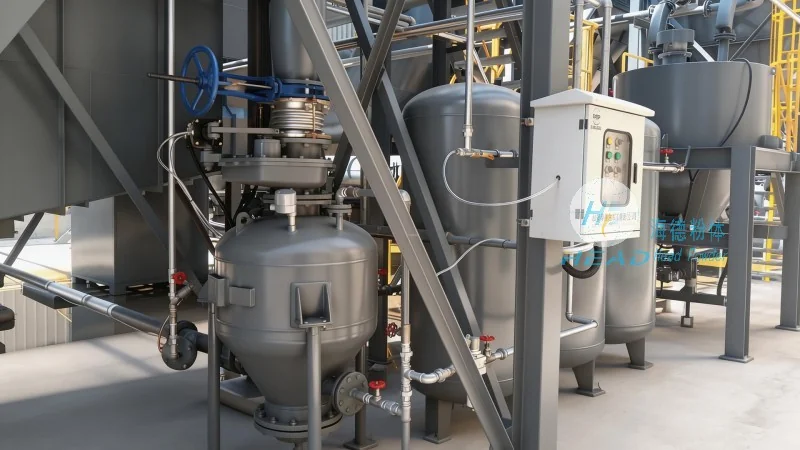
Belt conveyors are one of the most common and effective methods for transporting metallurgical coke powder, especially for long distances and large volumes. These systems consist of a continuous belt that moves over rollers or pulleys, carrying the powder from the source to the destination. The design allows for high throughput and minimal material loss, making it suitable for industrial-scale operations. Belt conveyors can be customized with different belt materials, such as rubber or PVC, to withstand the abrasive nature of coke powder and prevent degradation. Additionally, they can be equipped with special features like incline or decline capabilities, enabling vertical or horizontal transport as needed. The operational efficiency of belt conveyors is enhanced by their ability to integrate with other equipment, such as feeders and storage silos, creating a seamless material flow in the production line.
2. Pneumatic Conveying Systems
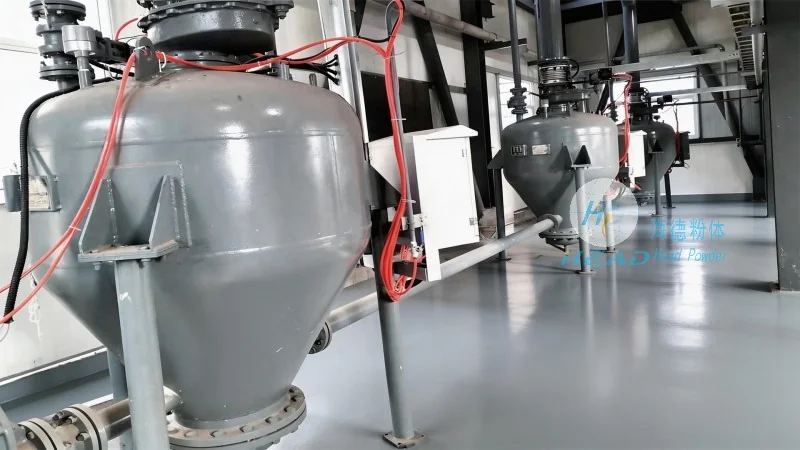
Pneumatic conveying systems utilize air pressure to transport metallurgical coke powder through a network of pipes. This method is particularly advantageous for applications requiring dust-free and enclosed transport, as it prevents the powder from contaminating the environment or being exposed to external factors. There are two main types of pneumatic conveying: pressure and vacuum systems. Pressure systems use compressed air to push the powder through the pipeline, while vacuum systems create a negative pressure to draw the material. The choice between the two depends on the distance and the amount of material to be transported. Pneumatic conveying is ideal for short to medium distances and can handle fine powders without the need for additional equipment like crushers or screens. However, it may require higher energy consumption compared to other methods, and the system must be well-maintained to avoid blockages or air leaks.
3. Screw Conveyors
Screw conveyors, also known as auger conveyors, are another popular method for transporting metallurgical coke powder, especially in horizontal or slightly inclined applications. These systems consist of a rotating screw (auger) inside a cylindrical housing, which moves the powder along the length of the conveyor. Screw conveyors are compact and can be installed in tight spaces, making them suitable for confined areas in industrial facilities. They are also capable of handling a wide range of particle sizes and moisture content, as the screw design can accommodate different material characteristics. The main advantage of screw conveyors is their ability to provide a continuous and controlled flow of material, reducing the risk of overloading or spillage. However, they may not be as efficient for long vertical lifts and can experience wear and tear on the screw and housing over time, requiring regular maintenance.
4. Bucket Elevators
Bucket elevators are vertical or inclined conveyors that use a series of buckets attached to a chain or belt to transport metallurgical coke powder. This method is highly effective for vertical transport, allowing the powder to be lifted to significant heights with minimal space requirements. The buckets are filled with the powder at the bottom of the elevator and discharged at the top, ensuring a continuous and efficient flow. Bucket elevators are commonly used in applications where vertical movement is necessary, such as moving coke powder from a storage silo to a processing unit. They are known for their high capacity and reliability, making them a preferred choice for heavy-duty industrial operations. However, the system requires careful alignment and maintenance to prevent bucket damage or chain failure, which could lead to material spillage or operational downtime.

5. Hydraulic Conveying
Hydraulic conveying systems use water or a slurry to transport metallurgical coke powder, particularly in applications where the material is fine and prone to dust. The powder is mixed with water to form a slurry, which is then pumped through a pipeline to the destination. This method is effective for long distances and can handle high volumes of material with minimal energy consumption. Hydraulic conveying is often used in mining and processing plants where the coke powder is extracted from a mine and transported to a processing facility. The main advantage of this method is its ability to transport the powder without the need for mechanical components, reducing maintenance and wear. However, it requires proper filtration and dewatering systems to separate the water from the powder at the end of the transport process, and the system must be designed to handle the specific characteristics of the slurry, such as viscosity and particle size.
6. Combination Systems
In many industrial settings, a single transport method may not be sufficient to meet all the operational requirements. Therefore, combination systems that integrate multiple transport methods are often used for metallurgical coke powder. For example, a belt conveyor may be used to transport the powder from the storage area to a pneumatic conveying system, which then delivers it to the processing unit. This integrated approach allows for flexibility and efficiency, as each method can be optimized for its specific application. Combination systems are particularly useful in large-scale operations where different stages of the production process require different transport capabilities. The key to successful implementation is proper planning and integration of the components, ensuring smooth material flow and minimal downtime.
When selecting a transport method for metallurgical coke powder, it is essential to consider factors such as the material's properties, the distance and elevation changes, the required throughput, and the environmental regulations. Each method has its own advantages and limitations, and the optimal choice depends on the specific needs of the operation. By understanding the characteristics of each transport method and evaluating them against the operational requirements, industrial facilities can choose the most suitable approach to ensure efficient and reliable transport of metallurgical coke powder.