

What Are the Methods for Glass Fiber Conveying? An Introduction to HeadPowder's Glass Fiber Pneumatic Conveying System
When it comes to transporting glass fibers, selecting the right method is crucial for maintaining product quality and operational efficiency. Glass fibers are widely used in various industries, including construction, automotive, and aerospace, due to their strength and durability. However, their fine, lightweight nature presents unique challenges during the conveying process. Traditional methods such as belt conveyors or bucket elevators may not be suitable for glass fibers, as they can cause dust generation, product breakage, or uneven distribution. This article explores the different methods available for glass fiber conveying and introduces HeadPowder's advanced glass fiber pneumatic conveying system, designed to address these challenges effectively.
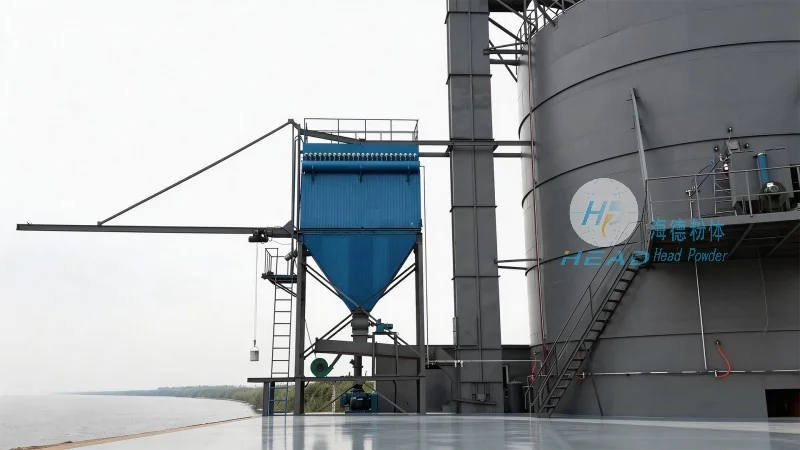
Overview of Glass Fiber Conveying Methods
There are several common methods used for transporting glass fibers, each with its own advantages and limitations. The primary methods include mechanical conveying systems, pneumatic conveying systems, and hybrid systems. Mechanical systems, like belt conveyors and screw conveyors, rely on physical contact to move materials. While effective for some bulk materials, they are not ideal for glass fibers due to the risk of abrasion and dust generation. Screw conveyors, in particular, can cause significant wear and tear on the material and equipment, leading to higher maintenance costs and potential product contamination.
Advantages of Pneumatic Conveying for Glass Fibers
Pneumatic conveying systems use air pressure to transport materials through a pipeline. This method is particularly well-suited for glass fibers because it minimizes physical contact, reducing the risk of breakage and dust. The system operates by creating a vacuum or pressure differential to move the material, ensuring a gentle and efficient transfer. Pneumatic conveying also offers flexibility in terms of layout, as the pipeline can be installed in various configurations to suit the plant layout. Additionally, it can handle both dry and wet glass fibers, making it a versatile solution for different applications.
HeadPowder's Glass Fiber Pneumatic Conveying System
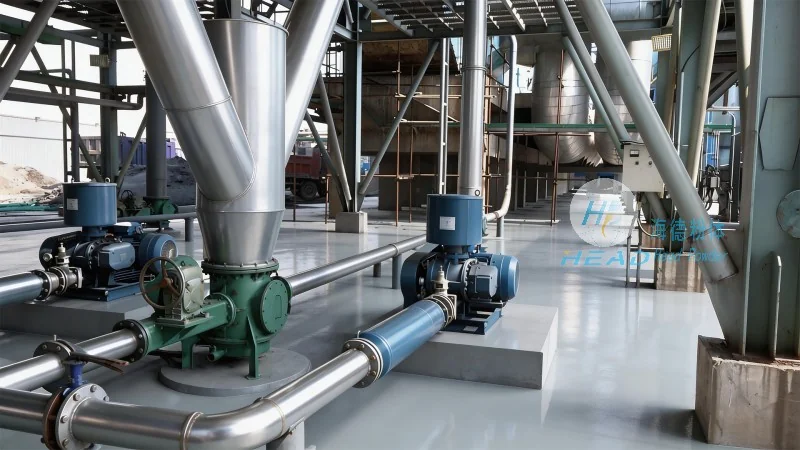
HeadPowder, a leading manufacturer of material handling equipment, offers a specialized glass fiber pneumatic conveying system tailored to the unique needs of glass fiber processing. The system is designed with high-quality components that can withstand the abrasive nature of glass fibers, ensuring long-term reliability and minimal maintenance. Key features include a robust air compressor system, high-efficiency filter units, and a flexible pipeline design that can be customized to fit specific plant requirements. The system is capable of handling various types of glass fibers, including E-glass, S-glass, and AR-glass, with consistent performance and low downtime.
Key Components of the HeadPowder Glass Fiber Conveying System
The HeadPowder glass fiber pneumatic conveying system consists of several key components that work together to ensure efficient and reliable operation. The system includes a material feed hopper, which is designed to handle bulk glass fiber loads and feed the material into the pipeline. The feed hopper is equipped with a rotary valve or feeder to control the flow rate, preventing overloading and ensuring smooth operation. The pipeline itself is made of high-quality materials, such as stainless steel or specialized plastic, to resist corrosion and abrasion from the glass fibers. The system also features a series of in-line filters and cyclones to separate any dust or fine particles from the air stream, maintaining a clean and safe working environment.
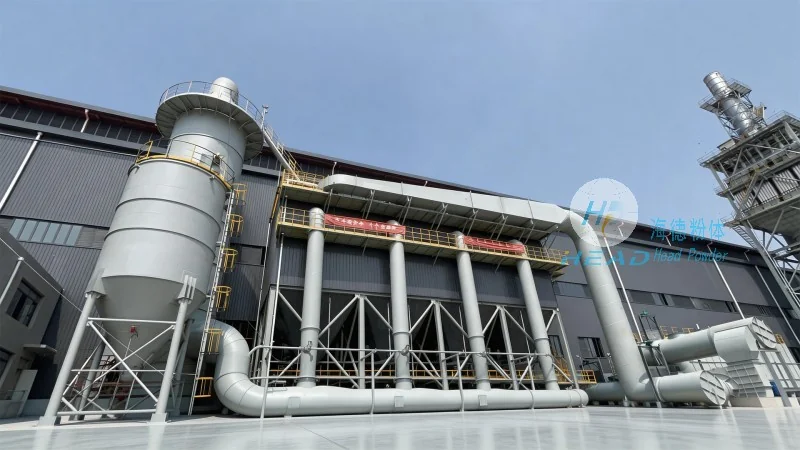
Benefits of Using HeadPowder's Glass Fiber Conveying System
Implementing HeadPowder's glass fiber pneumatic conveying system offers numerous benefits for glass fiber manufacturers. The system significantly reduces product loss and contamination compared to traditional mechanical methods. By minimizing physical contact, it preserves the integrity of the glass fibers, ensuring they remain in their original form for downstream processing. The system also improves operational efficiency by reducing downtime and maintenance costs. The flexible design allows for easy integration into existing production lines, minimizing the need for major modifications. Additionally, the system is energy-efficient, with advanced air compressor technology that optimizes energy consumption while maintaining high performance.
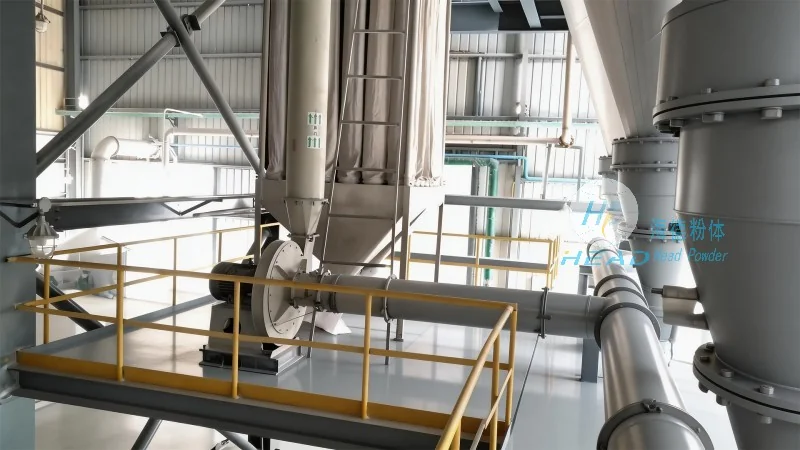
Application Examples
HeadPowder's glass fiber pneumatic conveying system has been successfully implemented in various applications across different industries. For example, in the automotive industry, the system is used to transport glass fibers for composite part manufacturing, ensuring consistent quality and reduced waste. In the construction industry, it is used to convey glass fibers for insulation and reinforcement materials, improving production speed and product consistency. The system's versatility makes it suitable for a wide range of applications, from small-scale production lines to large industrial facilities.
Conclusion
Choosing the right conveying method for glass fibers is essential for maintaining product quality and operational efficiency. While traditional mechanical methods may seem like a cost-effective option, they often fail to address the unique challenges of glass fiber processing. HeadPowder's glass fiber pneumatic conveying system offers a superior solution, providing gentle, efficient, and reliable transport of glass fibers. With its robust design, flexible configuration, and advanced features, the system is an ideal choice for manufacturers looking to enhance their glass fiber processing capabilities. By investing in this advanced technology, companies can improve their production efficiency, reduce costs, and maintain the highest standards of product quality.