

Methods of Masterbatch Granule Conveyance
Masterbatch granule conveyance is a critical process in the plastics and polymer industries, ensuring efficient material handling from storage to processing equipment. The choice of conveyance method significantly impacts production efficiency, material integrity, and operational costs. This article explores the primary methods used for masterbatch granule conveyance, focusing on the technologies and considerations that make each approach suitable for different industrial applications.
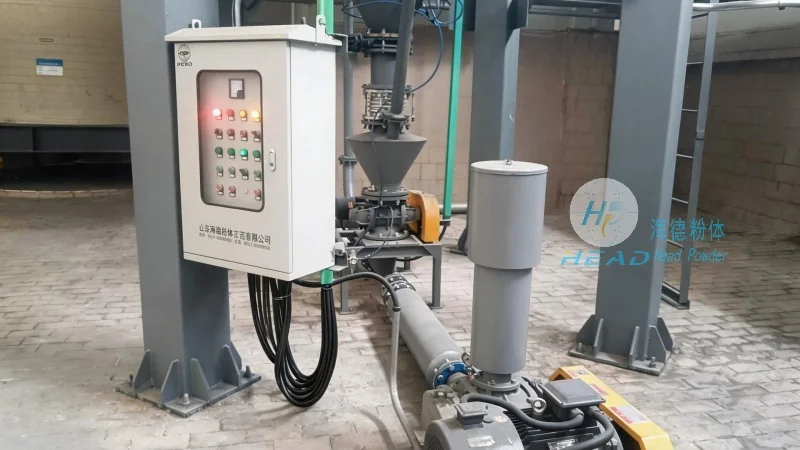
Overview of Masterbatch Granule Conveyance
Masterbatch granules, which are concentrated pigments or additives used to color or modify plastics, require specialized handling due to their size, density, and sometimes abrasive properties. Conveyance systems must maintain the integrity of these granules, prevent segregation, and minimize dust generation. The methods available range from mechanical to pneumatic systems, each with distinct advantages and limitations.
Common Conveyance Methods for Masterbatch Granules
Several established techniques are widely used in industrial settings for transporting masterbatch granules. These include screw conveyors, belt conveyors, pneumatic (air) conveyors, and vibratory conveyors. Each method is selected based on factors such as material characteristics, production volume, and the need for dust control or environmental compliance.
Screw Conveyors: A Traditional Mechanical Solution

Screw conveyors, also known as auger conveyors, are among the most common equipment for masterbatch granule conveyance. These systems consist of a rotating helical screw inside a U-shaped or tubular housing. As the screw rotates, it pushes the granules forward through the housing, providing a continuous and controlled flow. Screw conveyors are particularly effective for horizontal or slight incline transport and are well-suited for handling bulk materials with minimal segregation. They are also relatively low-cost and easy to install, making them a popular choice for many manufacturers.
The key advantages of screw conveyors include their ability to handle a wide range of granule sizes and densities, low maintenance requirements, and the option to integrate with other processing equipment such as mixers or extruders. However, they may not be ideal for high-volume or long-distance transport, as the material can experience friction and potential degradation if the screw speed is too high. Additionally, screw conveyors are generally less effective for vertical transport compared to other methods.
Pneumatic (Air) Conveyors: Efficient for Dusty or Light Materials
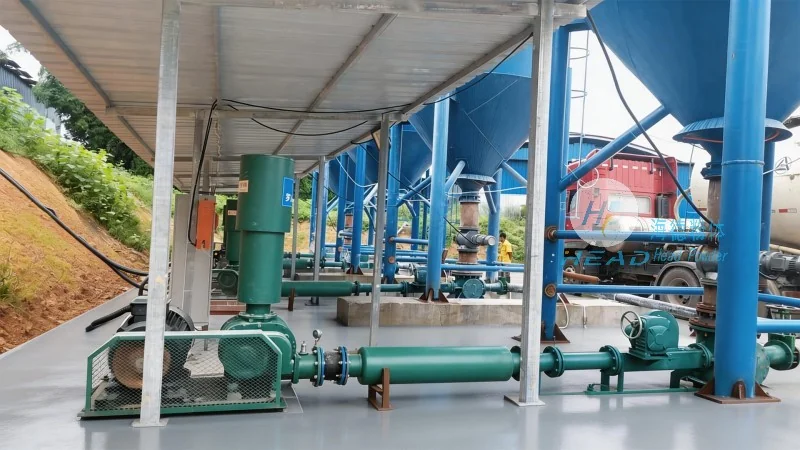
Pneumatic conveyors use air pressure to transport masterbatch granules through a system of pipes or hoses. These systems can be classified as either pressure or vacuum types, depending on the direction of air flow. In pressure systems, compressed air pushes the granules forward, while vacuum systems create a negative pressure to draw the material into the pipe. Pneumatic conveyors are highly effective for handling dusty or fine granules, as they can transport materials with minimal contact, reducing the risk of contamination or degradation.
One of the primary benefits of pneumatic conveyors is their ability to transport materials over long distances with minimal maintenance. They are also suitable for applications requiring dust control, as the system can be enclosed to prevent emissions. However, pneumatic conveyors may not be suitable for very heavy or abrasive granules, as the air pressure can cause wear on the system components over time. Additionally, the initial cost of a pneumatic system is typically higher than that of mechanical alternatives, and energy consumption can be significant.
Vibratory Conveyors: Gentle Handling for Sensitive Granules
Vibratory conveyors utilize vibration to move masterbatch granules along a trough or conveyor bed. The system consists of a motor-driven vibratory motor that causes the conveyor to oscillate, creating a series of waves that propel the material forward. This method is particularly effective for handling delicate or sensitive granules, as it minimizes friction and impact compared to mechanical conveyors. Vibratory conveyors are often used when the material is prone to segregation or when gentle handling is required to prevent damage.
The main advantages of vibratory conveyors include their ability to handle a wide range of material densities and sizes, low energy consumption, and the option to integrate with other equipment such as feeders or mixers. However, they may not be as efficient for high-volume transport as other methods, and the system can be more complex to install and maintain. Additionally, vibratory conveyors are generally less effective for vertical transport compared to screw or pneumatic systems.
Belt Conveyors: High-Capacity Transport for Bulk Materials
Belt conveyors are another common method for masterbatch granule conveyance, particularly in applications requiring high-capacity transport over long distances. These systems consist of a continuous belt that moves over rollers or idlers, with the granules placed on the belt and carried to the destination. Belt conveyors are well-suited for handling large volumes of material and can be easily integrated with other processing equipment such as hoppers or storage bins.
The primary benefits of belt conveyors include their high throughput capacity, low maintenance requirements, and the ability to transport materials over long horizontal or slight incline distances. They are also relatively inexpensive to install and can be customized to fit specific production needs. However, belt conveyors may not be ideal for dusty or fine granules, as the material can fall through the belt or cause wear on the system components. Additionally, they require regular cleaning to prevent material buildup and may not be suitable for vertical transport.