

Which Methods Are Used for Fertilizer Granule Conveying?
Fertilizer granule conveying is a critical process in the agricultural supply chain, ensuring that nutrient-rich granules are efficiently transported from production sites to storage facilities or directly to farms. The choice of conveying method depends on various factors including the type of fertilizer, the distance to be covered, and the desired level of automation. In this article, we explore the primary methods used for fertilizer granule conveying, highlighting the technology and applications that make these processes effective.
Key Factors Influencing Conveying Method Selection
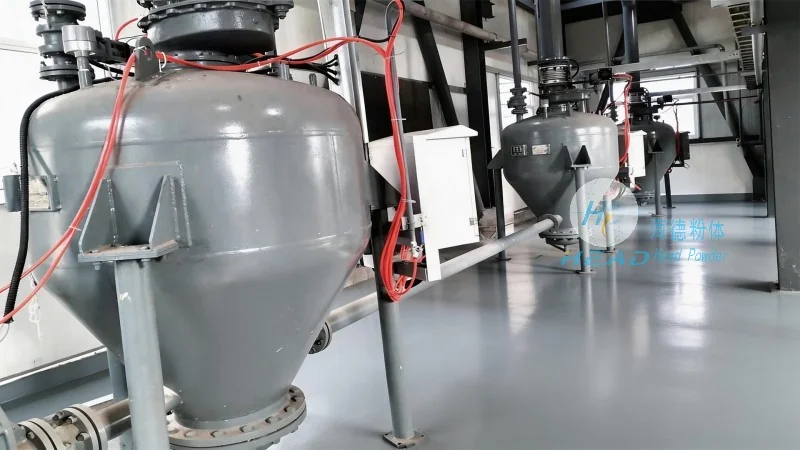
Before delving into specific conveying technologies, it is essential to consider the key factors that influence the selection of an appropriate method. These factors include the physical properties of the fertilizer granules—such as size, density, and moisture content—along with operational considerations like the required throughput, distance, and environmental constraints. For instance, fine or dusty granules may require specialized equipment to prevent clogging or loss of material, while larger, heavier granules might benefit from mechanical systems that handle higher loads. Additionally, the scale of the operation, whether it is a small-scale farm or a large industrial facility, plays a significant role in determining the most suitable conveying solution.
1. Screw Conveyors for Fertilizer Granule Transport
Screw conveyors, also known as auger conveyors, are among the most common and versatile systems used for fertilizer granule conveying. These systems consist of a rotating helical screw inside a cylindrical tube, which moves material from the inlet to the outlet through the action of the screw's rotation. The screw's pitch (the distance between adjacent screw flights) and diameter are carefully selected to match the granule size and density, ensuring efficient transport without excessive wear or material degradation. For fertilizer granules, screw conveyors are particularly effective for horizontal or slightly inclined transport, as they can handle a wide range of particle sizes and maintain a consistent flow rate. The design of the screw conveyor, including the material of construction (often stainless steel or corrosion-resistant alloys), is tailored to withstand the chemical properties of fertilizers, preventing corrosion and ensuring long-term durability. HeadPowder, a leading manufacturer in the field, offers screw conveyor systems that are engineered to meet the specific needs of fertilizer producers, with options for variable speed control and material discharge mechanisms that minimize spillage and contamination.
2. Pneumatic Conveying Systems
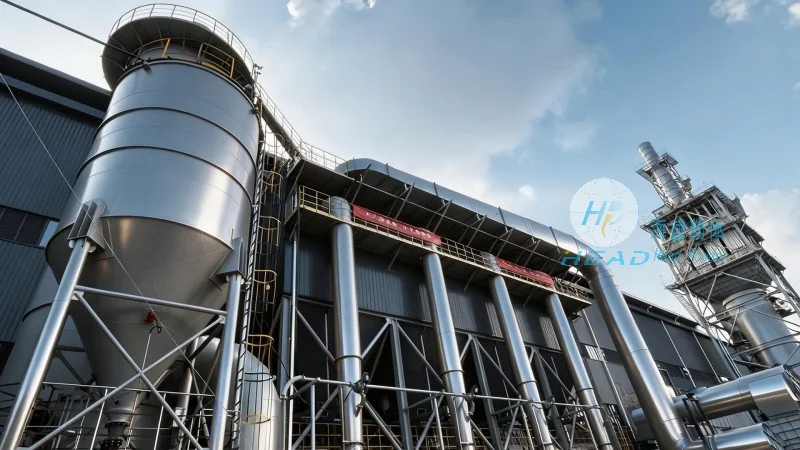
Pneumatic conveying systems use air or other gases to transport fertilizer granules through a pipeline network. These systems are categorized into two main types: dilute-phase and dense-phase conveying. Dilute-phase systems operate at low pressure, using a high volume of air to move granules in a suspended state, while dense-phase systems use higher pressure to push granules in a slurry-like state, reducing the risk of particle degradation and clogging. Pneumatic conveying is particularly advantageous for transporting granules over long distances or through complex layouts, as it can handle vertical and horizontal transport with equal efficiency. The system typically includes a blower or compressor to generate the necessary air flow, a hopper to feed the granules into the pipeline, and a receiver to collect the material at the destination. HeadPowder specializes in designing and manufacturing pneumatic conveying systems that are optimized for fertilizer applications, incorporating features such as air filtration to prevent dust accumulation and material separation to maintain product purity. These systems are often used in conjunction with other conveying equipment to create a seamless material handling process from production to storage.
3. Belt Conveyors for Bulk Fertilizer Transport
Belt conveyors are another widely used method for fertilizer granule conveying, especially in large-scale industrial operations. These systems consist of a continuous belt that moves over rollers or pulleys, transporting granules from one point to another. The belt is typically made of durable materials such as rubber or synthetic fabrics, designed to withstand the abrasive nature of fertilizer granules and resist wear and tear. Belt conveyors are capable of handling high volumes of material and can be configured in various configurations, including horizontal, inclined, or even vertical lifts, depending on the layout of the facility. The speed of the belt and the spacing of the rollers are carefully adjusted to ensure that granules are conveyed smoothly without slipping or falling off. HeadPowder provides belt conveyor solutions tailored to the needs of fertilizer manufacturers, with options for variable speed control, load sensors, and safety features such as emergency stop mechanisms. These conveyors are often integrated with storage silos or loading docks, enabling efficient transfer of granules from production to distribution.
4. Bucket Elevators for Vertical Transport
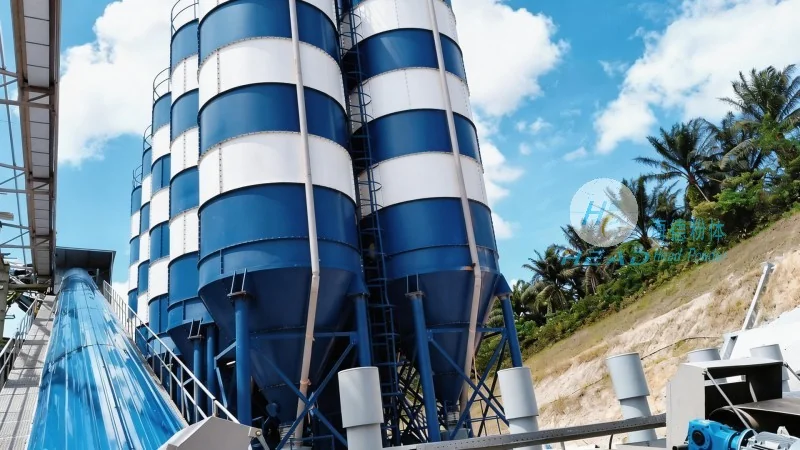
For applications requiring vertical transport of fertilizer granules, bucket elevators are a reliable and efficient solution. These systems consist of a continuous chain with attached buckets that move vertically within a casing, lifting granules from a lower level to a higher level. The buckets are designed to hold a specific volume of material, and as they rotate, they transport the granules upward. Bucket elevators are particularly effective for handling bulk materials like fertilizer granules, as they can move large quantities of material over significant vertical distances with minimal energy consumption. The design of the bucket elevator, including the type of buckets (e.g., deep or shallow) and the speed of the chain, is optimized to match the granule size and density, ensuring that material is conveyed without spillage or degradation. HeadPowder manufactures bucket elevators that are engineered for durability and efficiency, with features such as self-cleaning mechanisms to prevent material buildup and adjustable speed controls to match production rates. These systems are commonly used in fertilizer plants to move granules from ground-level storage to elevated silos or processing units.

5. Hydraulic Conveying Systems
Hydraulic conveying systems use water or other liquids to transport fertilizer granules through a pipeline. This method is particularly useful for transporting granules over long distances or through challenging terrain, as the liquid provides a smooth and consistent flow. The system typically involves a pump that pressurizes the liquid, a hopper to feed the granules into the pipeline, and a receiver at the destination where the material is separated from the liquid. Hydraulic conveying is often used in conjunction with other processing steps, such as washing or drying, to enhance the overall efficiency of the fertilizer production process. HeadPowder offers hydraulic conveying solutions that are designed to handle the specific requirements of fertilizer applications, with features such as filtration systems to remove impurities and pressure regulators to maintain consistent flow rates. These systems are particularly effective for transporting granules that are sensitive to air exposure or mechanical stress, as the liquid environment minimizes particle degradation and loss.
Conclusion and Recommendations
Choosing the right fertilizer granule conveying method is crucial for optimizing the efficiency, safety, and cost-effectiveness of the agricultural supply chain. Each method—screw conveyors, pneumatic systems, belt conveyors, bucket elevators, and hydraulic systems—offers unique advantages and is suited to different operational requirements. For example, screw conveyors are ideal for horizontal transport of various granule sizes, while pneumatic systems excel at long-distance or complex layouts. Belt conveyors are suitable for high-volume, horizontal transport, and bucket elevators are effective for vertical lifting. Hydraulic systems provide a smooth, liquid-based transport option for sensitive granules. When selecting a conveying system, it is essential to consider factors such as material properties, distance, throughput, and environmental constraints. HeadPowder, with its expertise in fertilizer handling equipment, provides tailored solutions that address these factors and ensure reliable, efficient conveying of fertilizer granules. By leveraging the right technology, fertilizer producers can enhance their operational efficiency, reduce costs, and maintain product quality, ultimately supporting sustainable agricultural practices.