

How are Lithium Battery Materials Transported?
When it comes to the efficient and safe handling of lithium battery materials, the choice of transportation method is critical. Shandong HeadPowder Engineering Co., Ltd., a leading company in the field, specializes in providing tailored solutions for material transport within lithium battery production lines. With a focus on precision and reliability, HeadPowder offers a range of methods designed to meet the unique demands of the industry.
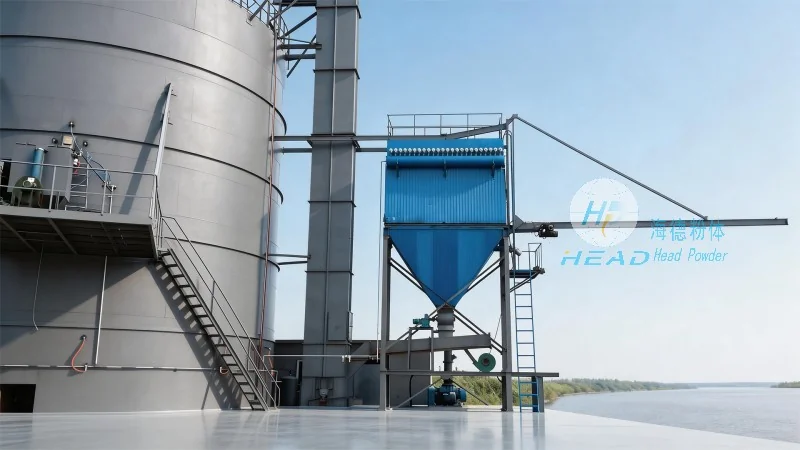
About Shandong HeadPowder Engineering Co., Ltd.
HeadPowder is a professional enterprise dedicated to the research, development, and manufacturing of powder handling equipment. The company, operating from Shandong, China, has built a strong reputation for its innovative solutions in material transport systems. By combining advanced technology with industry expertise, HeadPowder ensures that clients receive high-quality equipment and services tailored to their specific needs in the lithium battery sector.
Common Transportation Methods for Lithium Battery Materials
In the production of lithium batteries, the transportation of raw materials and intermediate products requires careful consideration of factors such as material properties, production scale, and safety regulations. Several key methods are commonly employed to ensure smooth and efficient material flow. These include mechanical conveyors, pneumatic conveying systems, and automated material handling solutions.
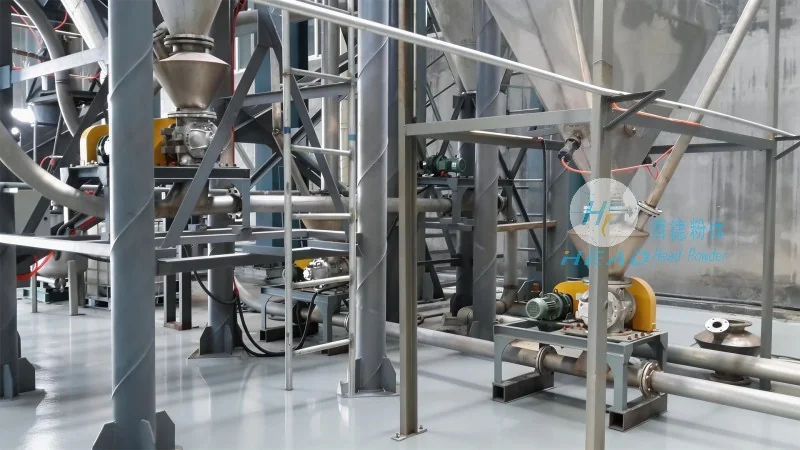
Mechanical Conveyors
Mechanical conveyors are widely used for transporting bulk materials like lithium compounds and powders. These systems typically consist of components like belt conveyors, screw conveyors, and bucket elevators. Belt conveyors are particularly effective for horizontal and slight incline transport, providing a continuous and stable flow of materials. Screw conveyors, on the other hand, are ideal for vertical or inclined transport, offering a compact solution for moving powders through different levels of the production facility. Bucket elevators are used when materials need to be lifted vertically over significant heights, ensuring that the material is transported safely and efficiently from one stage of production to the next.
Pneumatic Conveying Systems
Pneumatic conveying systems utilize air pressure to move powders and granules through a network of pipes. This method is especially suitable for materials that are sensitive to moisture or contamination, as the enclosed system prevents exposure to the environment. There are two main types of pneumatic conveying: pressure and vacuum systems. Pressure systems use compressed air to push materials forward, while vacuum systems draw materials into the system using a vacuum pump. Both types can be customized to handle different material characteristics, such as particle size and density, ensuring optimal performance in lithium battery material transport.

Automated Material Handling Solutions
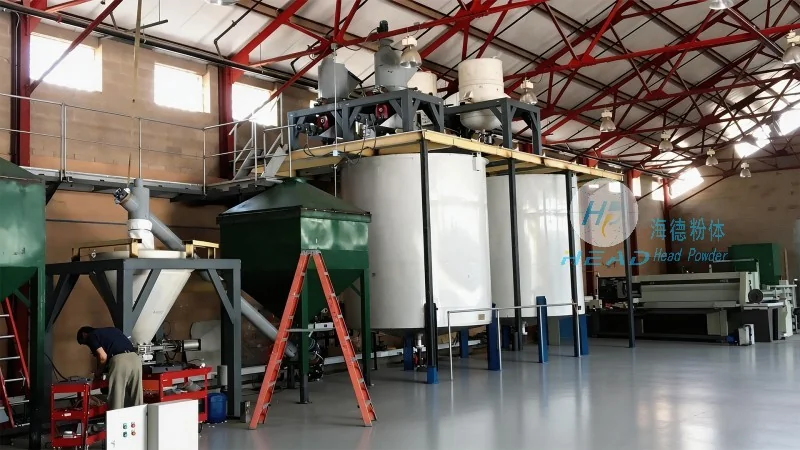
With the increasing demand for efficiency and automation in lithium battery manufacturing, automated material handling systems have become increasingly prevalent. These solutions often integrate robotics and advanced control systems to streamline the entire material transport process. Automated conveyors, robotic arms, and integrated software platforms work together to ensure that materials are moved with precision and minimal human intervention. This not only enhances productivity but also reduces the risk of human error and improves overall safety in the production environment. HeadPowder offers customized automated solutions that can be integrated with existing production lines, providing a seamless transition to more efficient and reliable material handling.
Key Considerations for Selecting a Transportation Method
Choosing the right transportation method for lithium battery materials involves evaluating several critical factors. The first consideration is the physical properties of the material, including its particle size, moisture content, and flowability. Materials with high moisture content or fine particles may require specialized equipment to prevent clogging or degradation. Second, the scale of production and the layout of the facility play a significant role. Larger production lines may benefit from automated systems with high throughput capabilities, while smaller operations might opt for more cost-effective mechanical conveyors. Third, safety regulations and environmental considerations must be taken into account. Lithium battery materials are often hazardous, and transportation methods must comply with industry standards to prevent accidents and ensure worker safety. HeadPowder provides expert guidance in selecting the most appropriate transportation method based on these factors, helping clients achieve optimal performance and compliance.
Conclusion
Efficient transportation of lithium battery materials is essential for maintaining productivity and ensuring the quality of the final product. Shandong HeadPowder Engineering Co., Ltd. offers a comprehensive range of transportation solutions, from traditional mechanical conveyors to advanced automated systems. By understanding the specific needs of each client and providing tailored solutions, HeadPowder helps businesses in the lithium battery industry optimize their material handling processes. With a commitment to innovation and quality, HeadPowder continues to be a trusted partner in the development of efficient and reliable material transport systems for lithium battery production.