

What Are the Methods for Clinker Transportation?
When it comes to the efficient and reliable transportation of clinker, a key component in cement production, various methods are employed across the industry. The choice of transportation method depends on factors such as the scale of operation, the distance to be covered, and the specific requirements of the cement plant. In this article, we will explore the primary methods used for clinker transportation, highlighting the technologies and solutions provided by Shandong HeadPowder Engineering Co., Ltd., a leading provider in the field.
1. Belt Conveyor Systems: The Traditional Workhorse of Clinker Transport

Belt conveyors remain one of the most common and effective methods for clinker transportation. These systems utilize a continuous belt that moves the clinker from the clinker cooler to storage silos or for further processing. The robust design of belt conveyors, often equipped with heavy-duty rollers and durable belts, ensures that they can handle the high temperatures and abrasive nature of clinker. Shandong HeadPowder Engineering Co., Ltd. specializes in designing and manufacturing high-quality belt conveyor systems tailored to the specific needs of cement plants. Their expertise in material handling and conveyor technology ensures that these systems operate with minimal downtime and maximum efficiency.
2. Pneumatic Conveying Systems: The Advantages of Air-Driven Transport
Pneumatic conveying systems offer an alternative to traditional belt conveyors, particularly for shorter distances or when space constraints are a concern. These systems use air pressure to transport clinker in a closed pipeline system. There are two main types of pneumatic conveyors: positive displacement and pressure systems. Positive displacement systems are ideal for transporting clinker over short distances with high volume, while pressure systems are suitable for longer distances. HeadPowder's pneumatic conveying solutions are engineered to provide reliable and efficient clinker transport, minimizing the risk of material degradation and ensuring consistent flow rates. The company's commitment to quality and innovation ensures that their pneumatic systems meet the stringent requirements of modern cement production.
3. Screw Conveyors: Compact and Versatile Clinker Handling Solutions
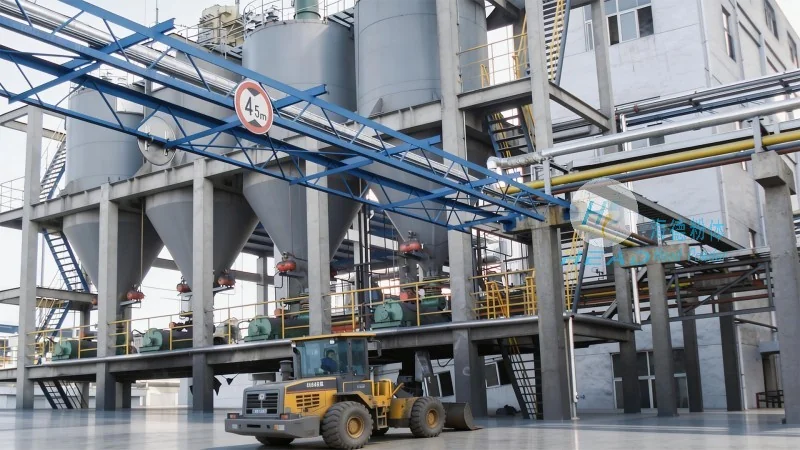
Screw conveyors are another popular method for clinker transportation, especially in applications where space is limited or where the clinker needs to be moved vertically or at a slight angle. These systems consist of a rotating screw inside a trough, which pushes the clinker forward. Screw conveyors are known for their simplicity and reliability, making them a cost-effective solution for many cement plants. Shandong HeadPowder Engineering Co., Ltd. offers a range of screw conveyor designs, including horizontal, vertical, and inclined models, to accommodate various clinker handling needs. Their screw conveyors are constructed from high-quality materials that resist wear and corrosion, ensuring long service life and consistent performance.
4. Hydraulic Conveying Systems: High-Pressure Transport for Specific Applications
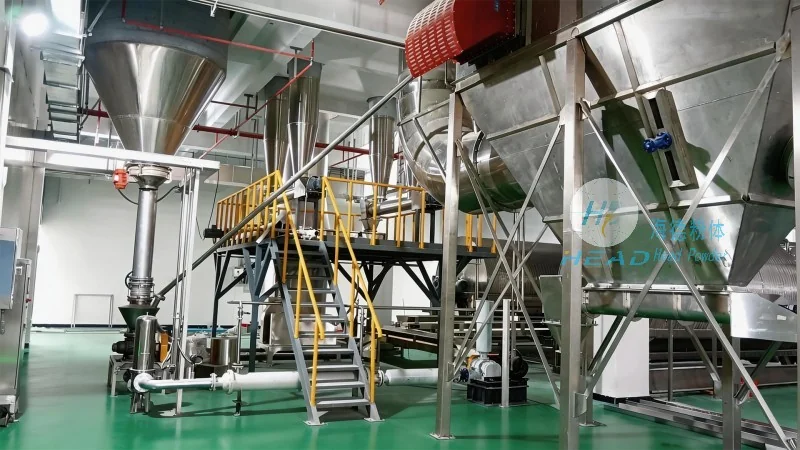
For applications requiring high-pressure transport, hydraulic conveying systems are used. These systems utilize high-pressure water or other fluids to move clinker through a pipeline. While less common than other methods, hydraulic conveyors are effective for transporting clinker over long distances or in challenging terrains. HeadPowder provides hydraulic conveying solutions that are engineered to handle the demanding conditions of clinker transport, ensuring reliable and efficient operation. The company's expertise in hydraulic engineering ensures that their systems are designed to meet the specific requirements of each project, providing a customized solution for clinker transportation.
5. Combined Systems: Optimizing Clinker Transport Efficiency
In many modern cement plants, a combination of different transportation methods is used to optimize efficiency and flexibility. For example, a belt conveyor might be used to transport clinker from the cooler to a transfer point, followed by a pneumatic conveyor to move it to the storage silos. This integrated approach allows for the seamless transfer of clinker while minimizing energy consumption and operational costs. Shandong HeadPowder Engineering Co., Ltd. specializes in designing and implementing combined transportation systems that integrate various technologies to provide the most efficient clinker handling solution. Their expertise in system integration ensures that each component works in harmony, maximizing the overall performance of the clinker transport process.