

Common Methods for Caustic Slag Transportation
Caustic slag, a byproduct of the calcium carbide production process, is a crucial material in various industrial applications. Efficient and reliable transportation of this material is essential for maintaining operational efficiency and safety in industrial facilities. Shandong HeadPowder Engineering Co., Ltd., a leading provider in the field, specializes in delivering innovative solutions for caustic slag handling and transportation. With a strong presence in China, the company has established itself as a trusted partner for businesses seeking effective methods to manage their caustic slag output.
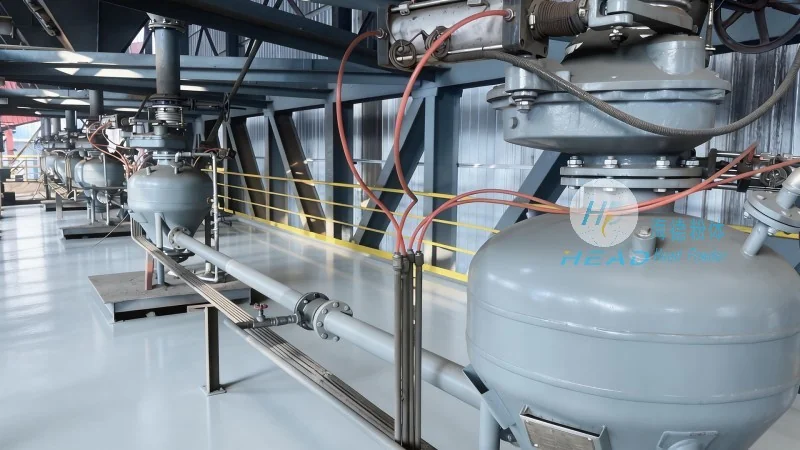
1. Pneumatic Conveying Systems
Pneumatic conveying is a widely adopted method for transporting caustic slag due to its ability to handle fine or dusty materials. This system utilizes air pressure to move the material through a pipeline. There are two main types: pressure and vacuum systems. Pressure systems use compressed air to push the material forward, while vacuum systems create a negative pressure to draw the material into the pipeline. The choice between these systems depends on factors such as the distance of transportation, the quantity of material, and the specific characteristics of the caustic slag. Pneumatic conveying offers advantages like minimal maintenance, low noise levels, and the ability to transport materials over long distances without the need for multiple transfer points. However, it may require higher energy consumption compared to other methods and is more suitable for handling dry, non-abrasive materials.
2. Hydraulic Conveying Systems
Hydraulic conveying, also known as slurry transport, is another common method for caustic slag transportation. This approach involves mixing the caustic slag with water to form a slurry, which is then pumped through a pipeline using hydraulic pressure. Hydraulic systems are particularly effective for transporting wet or viscous materials and can handle larger volumes of material compared to pneumatic systems. The primary advantage of hydraulic conveying is its high capacity and ability to transport materials over long distances with relatively low energy consumption. However, it requires careful management of the slurry consistency to prevent clogging and ensure smooth flow. Additionally, the system needs regular maintenance to keep the pipelines and pumps in good working condition.
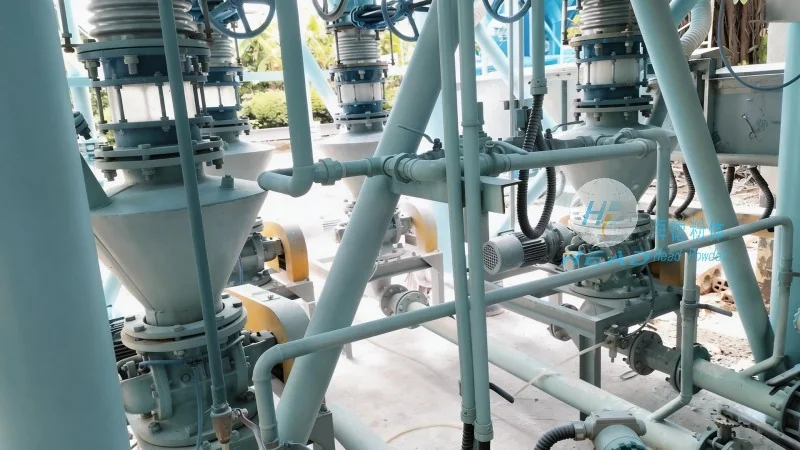
3. Belt Conveyor Systems
Belt conveyor systems are a traditional and widely used method for transporting caustic slag, especially in applications where the material is in bulk form. These systems consist of a continuous belt that moves over rollers or pulleys, carrying the material from one location to another. Belt conveyors are known for their simplicity, reliability, and ability to handle large quantities of material with minimal downtime. They are particularly suitable for horizontal or slightly inclined transportation and can be customized to fit various industrial settings. The main advantages of belt conveyor systems include low operating costs, easy maintenance, and the ability to transport materials over long distances with consistent speed. However, they may not be as effective for transporting fine or dusty materials and require regular cleaning to prevent material buildup and maintain efficiency.
4. Screw Conveyor Systems
Screw conveyor systems, also known as auger conveyors, are another common method for caustic slag transportation. These systems use a rotating screw to move the material through a tube or trough. The screw's rotation creates a pushing action that propels the material forward. Screw conveyors are ideal for handling dry or semi-dry materials and are particularly effective for vertical or inclined transportation. They are commonly used in applications where the material needs to be elevated or moved vertically, such as in storage silos or processing plants. The main advantages of screw conveyor systems include their compact design, low noise levels, and ability to handle materials with varying consistencies. However, they may not be suitable for transporting abrasive or sticky materials, as this can cause wear and tear on the screw and trough. Regular inspection and maintenance are necessary to ensure the system operates efficiently and safely.
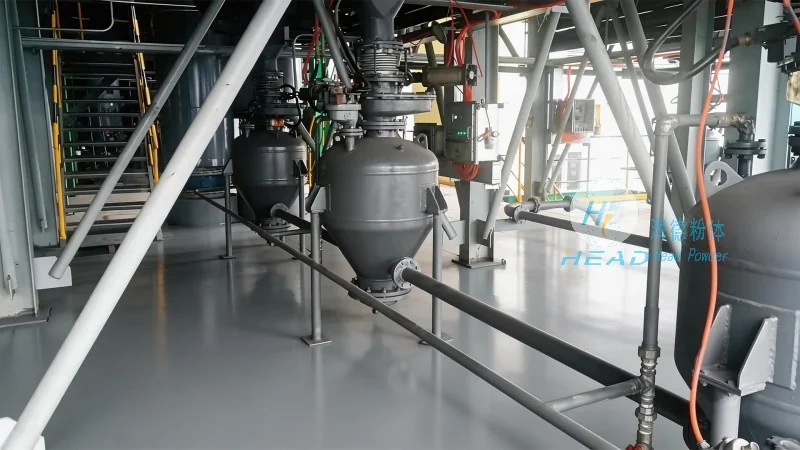
5. Hydraulic Riser Systems
Hydraulic riser systems are a specialized method for transporting caustic slag, particularly in applications where the material needs to be lifted vertically over a significant height. These systems use hydraulic power to operate a vertical conveyor that moves the material from a lower level to a higher level. The hydraulic riser typically consists of a vertical pipe or trough with a moving mechanism that lifts the material. This method is commonly used in industrial facilities where the caustic slag is generated at the bottom of a reactor or storage tank and needs to be transported to a higher processing unit. The main advantages of hydraulic riser systems include their ability to handle large volumes of material and transport it vertically with minimal energy consumption. However, they require careful design and maintenance to prevent leaks and ensure the hydraulic system operates smoothly. The system also needs regular cleaning to prevent material buildup and maintain the efficiency of the hydraulic components.