

Common Methods for High-Temperature Ash Conveying
High-temperature ash, a byproduct of industrial processes like thermal power plants and metal smelting, poses unique challenges during transportation due to its temperature, particle size, and potential reactivity. The efficient and safe conveyance of this material is essential for maintaining operational efficiency and adhering to environmental standards. Various methods have been developed to address these challenges, each with its own advantages and applications. This article explores the common approaches used in high-temperature ash handling, focusing on the technical aspects and practical considerations for industrial use. The Shandong HeadPowder Engineering Co., Ltd., a leading provider of specialized equipment for material handling, offers advanced solutions for high-temperature ash conveyance, ensuring that industries can manage their waste effectively and sustainably.
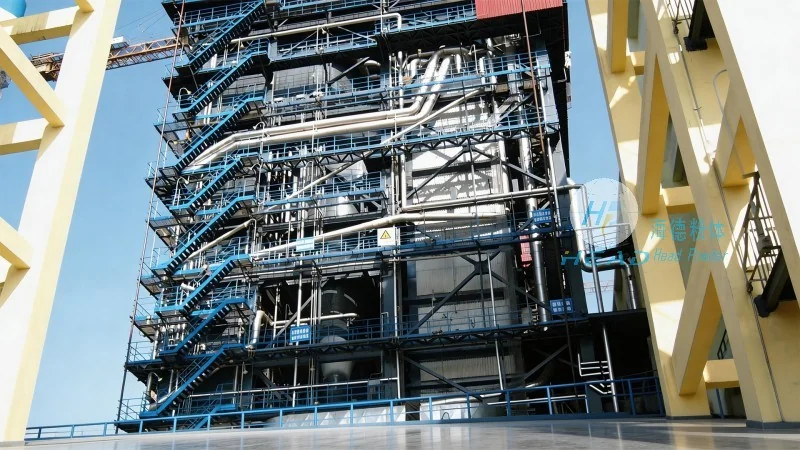
1. Pneumatic Conveying Systems for High-Temperature Ash
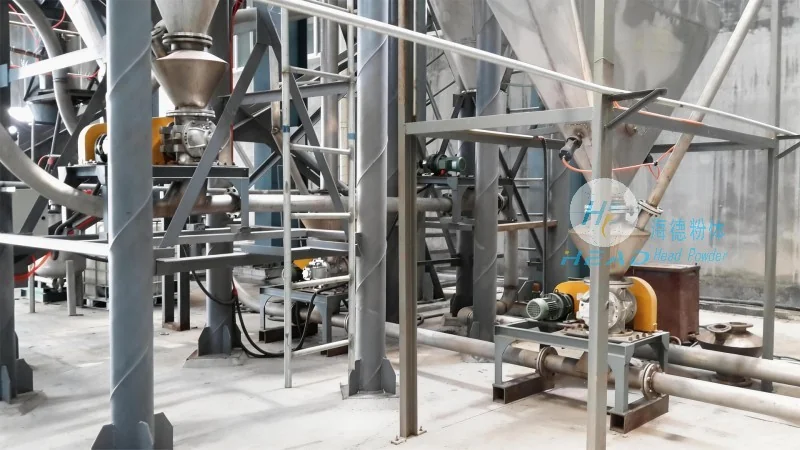
Pneumatic conveying, also known as air-based transport, is a widely used method for high-temperature ash due to its ability to handle fine particles and maintain consistent flow rates. In this system, ash is transported through a pipeline using a combination of air pressure and vacuum. The headpowder company, with its expertise in engineering custom solutions, offers pneumatic conveying systems tailored to specific ash characteristics. These systems typically include components such as feeders, air movers (blowers or vacuum pumps), and pipeline networks. The design of the system is critical to ensure that the high-temperature ash does not cause damage to the equipment or compromise the integrity of the conveying process. For example, materials like stainless steel or heat-resistant alloys are often used for the pipeline and components to withstand the high temperatures and abrasive nature of the ash. The efficiency of pneumatic conveying can be enhanced by optimizing the air velocity and particle size distribution, which directly impacts the system's capacity and energy consumption.
2. Mechanical Conveying Methods: Screw and Belt Conveyors
For bulk handling of high-temperature ash, mechanical conveyors like screw conveyors and belt conveyors are commonly employed. Screw conveyors, also known as auger conveyors, use a rotating screw to move ash along a trough. This method is particularly effective for transporting ash with a higher moisture content or larger particle sizes. The headpowder engineering team has developed specialized screw conveyors designed to handle high-temperature conditions, incorporating heat-resistant coatings and robust drive mechanisms. Belt conveyors, on the other hand, use a continuous belt to transport ash over a series of rollers. These systems are ideal for longer distances and can handle larger volumes of material. The design of mechanical conveyors must consider factors such as the ash's temperature, which may require cooling mechanisms or insulation to prevent heat loss or equipment damage. Additionally, the material of construction, such as high-strength steel or heat-resistant polymers, is chosen to ensure durability and longevity under continuous high-temperature operation.
3. Hydraulic Conveying Systems
Hydraulic conveying, which uses water or other fluids to transport ash, is another method used in certain industrial applications. This approach is particularly useful when the ash has a high moisture content or when the distance to be covered is relatively short. The headpowder company has experience in designing hydraulic systems that can handle high-temperature ash, ensuring that the fluid and equipment are resistant to corrosion and thermal stress. Hydraulic conveyors typically consist of a pump, a pipeline, and a discharge mechanism. The system operates by pumping a slurry of ash and water through the pipeline, where the ash is transported to the desired location. The advantages of hydraulic conveying include its ability to handle abrasive materials and its relatively low noise levels compared to pneumatic systems. However, it requires careful management of the water usage and ash disposal, as the slurry must be treated to meet environmental regulations before discharge.
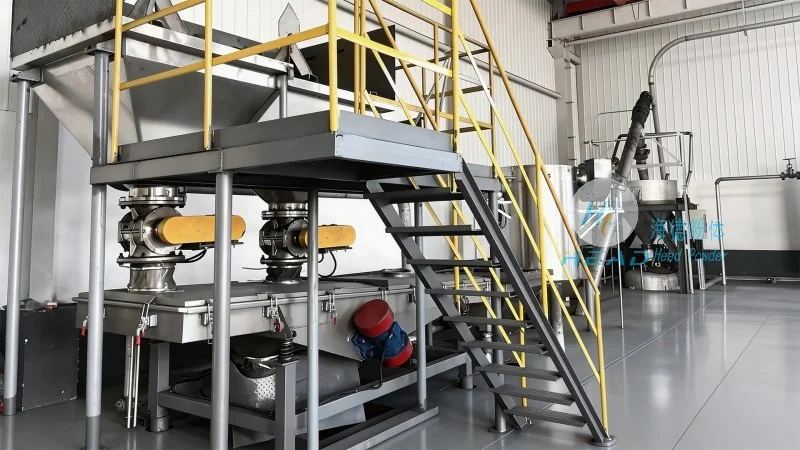
4. Combination Systems: Integrating Multiple Methods
In many industrial settings, a single conveying method may not be sufficient to meet all the requirements of high-temperature ash handling. Therefore, combination systems that integrate multiple technologies are often used. For example, a system might use pneumatic conveying for short distances and mechanical conveying for longer distances, or combine hydraulic and pneumatic methods to optimize efficiency. The headpowder engineering team specializes in designing and implementing such integrated systems, ensuring that each component works in harmony to achieve the desired performance. These systems are typically customized to the specific needs of the client, taking into account factors such as the ash's properties, the distance to be covered, and the available space. The integration of multiple methods allows for greater flexibility and adaptability, making it possible to handle a wide range of high-temperature ash applications.
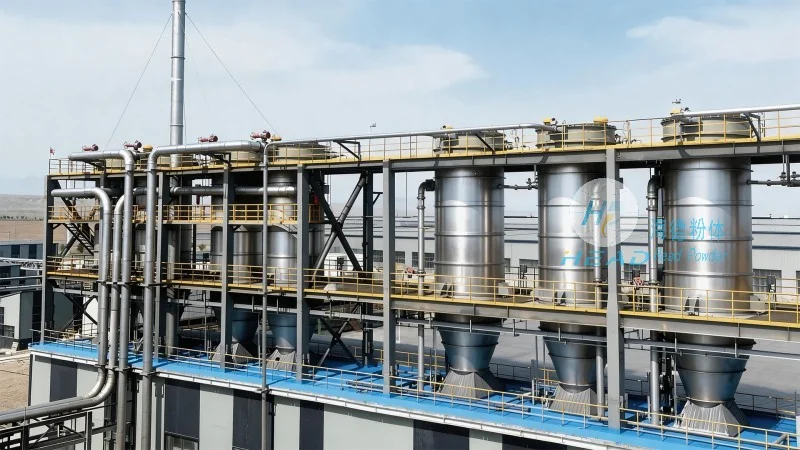
Conclusion: Choosing the Right High-Temperature Ash Conveying Method
Selecting the appropriate high-temperature ash conveying method is a critical decision for industries managing thermal byproducts. The choice depends on various factors, including the ash's characteristics, the distance to be transported, the available budget, and the environmental regulations in place. By understanding the different methods and their applications, companies can make informed decisions that optimize their operations and ensure compliance with standards. The Shandong HeadPowder Engineering Co., Ltd., with its extensive experience in engineering and manufacturing high-temperature ash handling equipment, provides comprehensive solutions tailored to the unique needs of each client. Whether through pneumatic, mechanical, hydraulic, or integrated systems, headpowder aims to deliver reliable and efficient solutions that meet the highest industry standards.