

Common Methods for Calcium Phosphate Transport
When it comes to the efficient and reliable transport of calcium phosphate, various methods are employed across different industrial applications. Understanding these common approaches is crucial for optimizing material handling processes and ensuring consistent performance in production lines. This article explores the primary methods used for calcium phosphate transport, highlighting their advantages and typical applications.
1. Pneumatic Conveying Systems
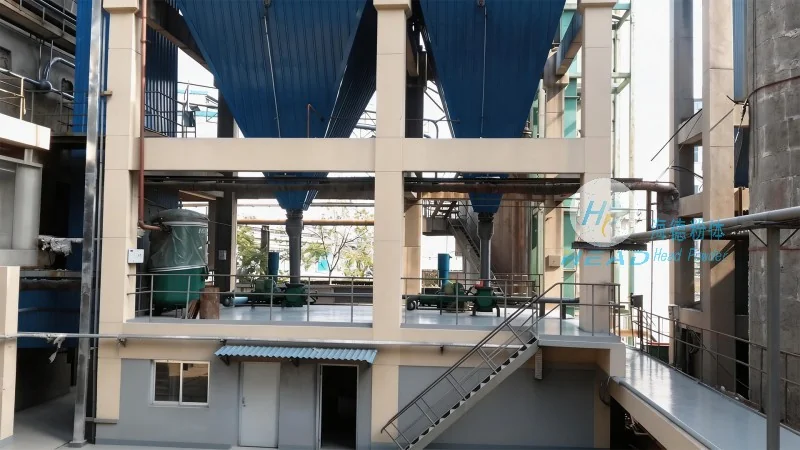
Pneumatic conveying is a widely used method for transporting calcium phosphate, especially in applications where dust control and gentle handling are essential. This technique involves using air pressure to move the material through a pipeline. There are two main types of pneumatic conveying: pressure and vacuum systems. Pressure systems use compressed air to push the material forward, while vacuum systems create a negative pressure to draw the material into the pipeline. The choice between these systems depends on factors such as the distance to be covered, the material's properties, and the desired flow rate. Pneumatic conveying is particularly effective for transporting fine powders like calcium phosphate, as it minimizes product degradation and contamination. It is commonly used in pharmaceutical, food, and chemical industries where product purity is critical.
2. Hydraulic or Slurry Pumping
For applications involving wet or slurry-based calcium phosphate, hydraulic pumping is a practical solution. This method involves mixing the calcium phosphate with water or other liquids to form a slurry, which is then pumped through pipelines using centrifugal or positive displacement pumps. Slurry pumping is suitable for transporting materials with higher moisture content or those that are prone to caking. The key advantage of this approach is its ability to handle larger volumes and overcome longer distances with relatively low energy consumption. However, it requires proper maintenance to prevent blockages and ensure consistent flow. Hydraulic systems are often employed in mining and mineral processing industries where calcium phosphate is extracted from ores and needs to be transported to processing facilities.
3. Mechanical Conveyors
Mechanical conveyors, including belt conveyors, screw conveyors, and bucket elevators, are another common method for calcium phosphate transport. These systems rely on mechanical motion to move the material from one location to another. Belt conveyors are ideal for transporting bulk quantities of calcium phosphate over short to medium distances, providing a continuous and stable flow. Screw conveyors, also known as augers, are suitable for handling dry or semi-dry materials and can be used in vertical or horizontal orientations. Bucket elevators are effective for vertical transport, lifting the material from lower to higher levels. Mechanical conveyors are preferred when the material is not too fine or when the transport distance is relatively short. They are commonly used in agricultural and construction industries where calcium phosphate is used as a fertilizer or building material.
4. Vacuum Assisted Transport
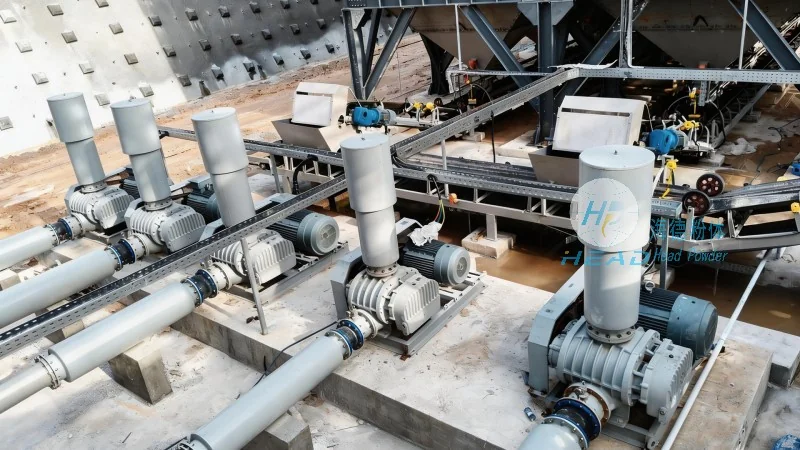
Vacuum-assisted transport systems combine the benefits of pneumatic conveying with vacuum technology to enhance material handling efficiency. These systems use a vacuum pump to create a negative pressure that draws the calcium phosphate into the pipeline. The material is then transported through the pipeline using a combination of air and mechanical forces. This method is particularly useful for transporting materials that are difficult to move by conventional means, such as those with high moisture content or those that tend to stick to surfaces. Vacuum-assisted transport is often used in the food and pharmaceutical industries where product contamination and quality control are paramount. It allows for gentle handling and minimal product degradation, ensuring that the calcium phosphate maintains its desired properties throughout the transport process.
5. Hydraulic Transport with Dosing Systems
In some cases, hydraulic transport is enhanced with dosing systems to control the flow rate and consistency of the calcium phosphate slurry. These systems typically include pumps, valves, and flow meters that regulate the amount of material being transported. By adjusting the dosing parameters, operators can maintain a stable flow rate, preventing issues such as clogging or uneven distribution. This method is particularly important in applications where precise control over the material's concentration is required, such as in the production of fertilizers or feed additives. The use of dosing systems ensures that the calcium phosphate is transported efficiently and reliably, meeting the specific requirements of the end application.
6. Integration of Transport Systems with Processing Equipment
Modern industrial processes often integrate calcium phosphate transport systems with processing equipment to streamline operations. For example, in a manufacturing facility, the calcium phosphate may be transported from a storage silo to a mixing or grinding unit using a combination of pneumatic and mechanical conveyors. This integration allows for seamless material flow, reducing downtime and improving overall productivity. The choice of transport method is often determined by the specific requirements of the processing equipment, such as the need for dry or wet material, the distance to be covered, and the desired flow rate. By matching the transport system to the processing equipment, companies can optimize their operations and ensure consistent product quality.
7. Maintenance and Optimization of Transport Systems
Regardless of the transport method used, regular maintenance and optimization are essential to ensure the long-term efficiency and reliability of calcium phosphate transport systems. This includes cleaning pipelines, checking for blockages, and maintaining the performance of pumps and conveyors. Proper maintenance helps prevent downtime and reduces the risk of product contamination or degradation. Additionally, optimizing the transport system, such as adjusting the air pressure or flow rate, can improve efficiency and reduce energy consumption. By implementing a proactive maintenance and optimization strategy, companies can extend the lifespan of their equipment and ensure consistent performance in calcium phosphate transport operations.

8. Environmental Considerations in Calcium Phosphate Transport
Environmental factors also play a role in the selection and operation of calcium phosphate transport systems. For example, pneumatic conveying systems may generate dust, which requires proper ventilation and filtration to prevent air pollution. Hydraulic systems, on the other hand, may involve water usage, which needs to be managed to minimize waste and environmental impact. Companies like Shandong HeadPowder Engineering Co., Ltd., based in China, are committed to developing sustainable transport solutions that minimize environmental impact while maintaining efficiency. By incorporating environmental considerations into the design and operation of transport systems, companies can ensure compliance with regulations and contribute to a more sustainable industrial practice.
9. Customization of Transport Solutions for Specific Applications
Given the diverse nature of calcium phosphate applications, many companies offer customized transport solutions tailored to specific needs. Shandong HeadPowder Engineering Co., Ltd., for instance, provides a range of transport systems designed to meet the unique requirements of different industries. These customized solutions may include specialized equipment, such as high-capacity pneumatic conveyors or advanced dosing systems, to handle specific material properties or transport distances. By working closely with clients, companies can develop transport solutions that optimize performance, reduce costs, and enhance product quality. Customization is particularly important in industries where calcium phosphate is used in specialized applications, such as pharmaceuticals or high-value fertilizers.
10. Future Trends in Calcium Phosphate Transport
As technology advances, new trends are emerging in calcium phosphate transport systems. For example, the use of automation and control systems is becoming more prevalent, allowing for real-time monitoring and adjustment of transport parameters. This helps improve efficiency and reduce human error. Additionally, the adoption of green technologies, such as energy-efficient pumps and low-emission conveying systems, is gaining traction in the industry. These trends are driven by the need to reduce operational costs and minimize environmental impact. Companies like Shandong HeadPowder Engineering Co., Ltd., are at the forefront of these developments, continuously innovating to provide cutting-edge transport solutions that meet the evolving needs of the market.