

Common Methods for Styrene Transportation
Styrene, a crucial monomer in the production of polystyrene and other polymers, requires efficient and safe transportation methods to ensure its delivery to various industrial applications. As a key chemical in the manufacturing sector, understanding the common methods for transporting styrene is vital for businesses involved in its handling and distribution. This article will explore the primary approaches used for styrene transportation, focusing on practical applications and operational considerations.
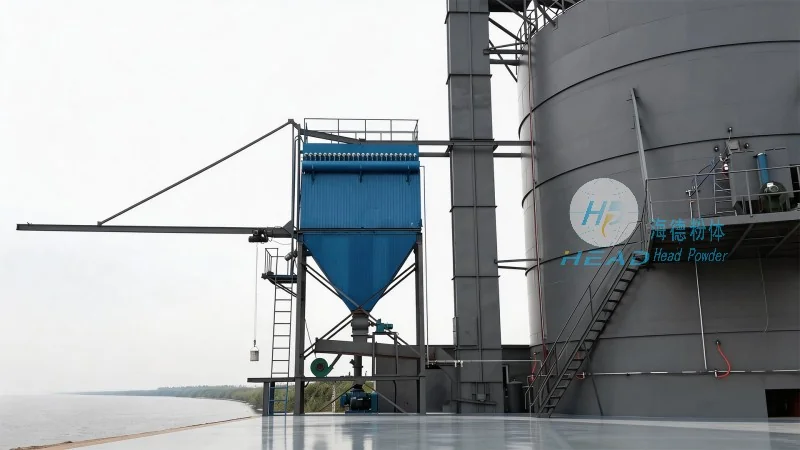
1. Pipeline Transportation: The Most Efficient Option
Pipeline transportation is widely regarded as the most efficient and cost-effective method for moving large volumes of styrene over long distances. This method involves pumping styrene through a network of pipelines, which are typically made from materials such as stainless steel or high-density polyethylene (HDPE) to withstand the chemical's properties. The process is continuous and automated, reducing the risk of spills and minimizing labor costs. For companies like Shandong HeadPowder Engineering Co., Ltd., based in China, pipeline systems are often integrated with existing infrastructure to streamline supply chains. The use of pipelines also ensures consistent pressure and flow rates, which is essential for maintaining the quality of the styrene during transit.
2. Tank Truck Transportation: Versatile and Flexible
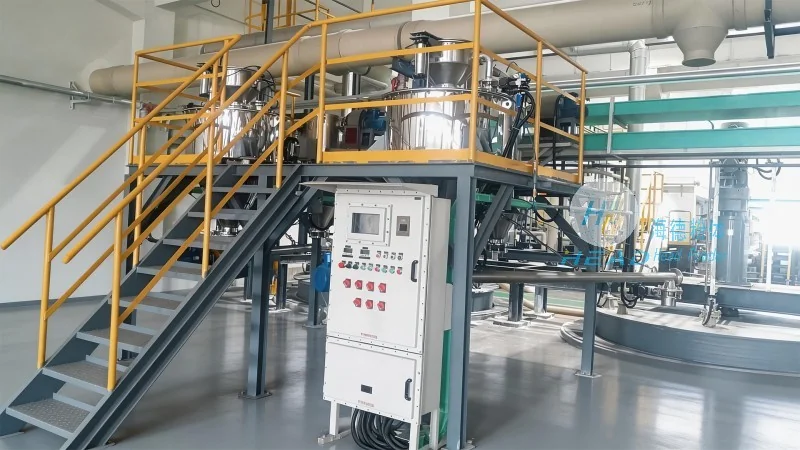
Tank truck transportation is a versatile option for moving styrene in smaller to medium-sized quantities, especially for deliveries to specific industrial sites or distribution centers. Tank trucks are equipped with specialized tanks designed to handle the chemical's properties, including corrosion-resistant materials and pressure relief systems. This method offers flexibility, as trucks can be dispatched to various locations as needed. For instance, when transporting styrene from the production facility to a nearby processing plant, tank trucks provide a reliable solution. The trucks are also equipped with safety features such as emergency shut-off valves and leak detection systems, ensuring compliance with regulatory standards. Companies like Shandong HeadPowder Engineering Co., Ltd. utilize tank truck services to complement pipeline systems, addressing the needs of clients with varying transportation requirements.
3. Containerized Transportation: Secure and Standardized
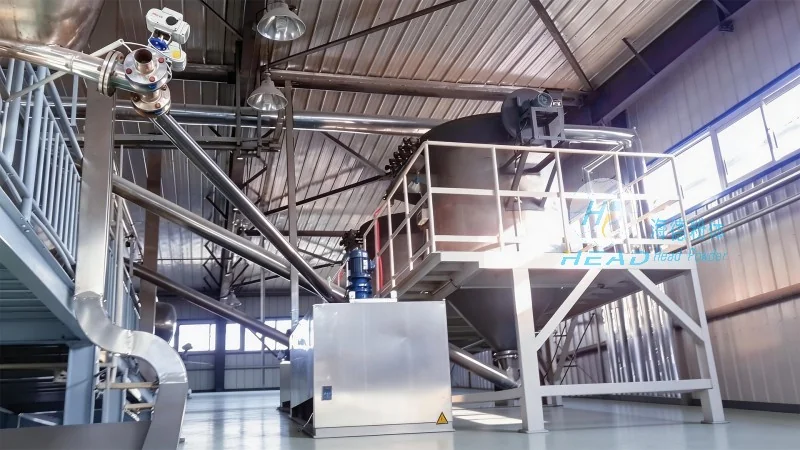
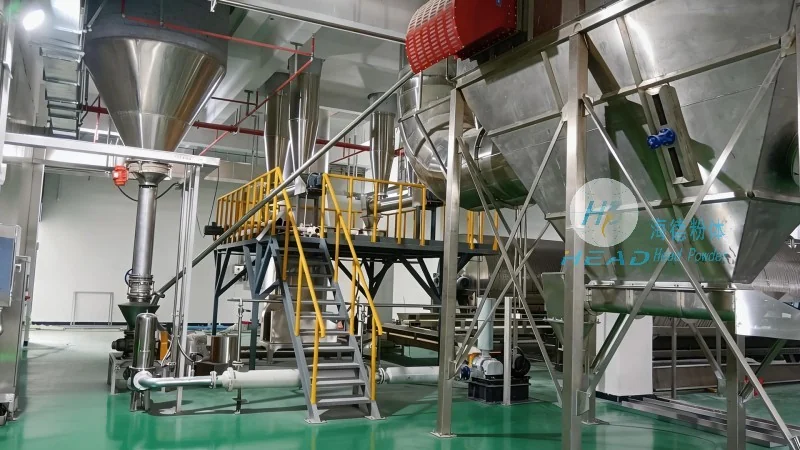
Containerized transportation, particularly using ISO containers, is another common method for transporting styrene, especially for international or inter-regional shipments. These containers are designed to meet international standards for chemical transport, providing a secure and standardized way to move styrene. The containers are typically lined with materials that resist corrosion and are equipped with ventilation systems to manage pressure and temperature changes during transit. This method is particularly useful for transporting styrene to locations without direct pipeline access or for smaller batches that do not justify the use of tank trucks. The standardized nature of containerized transport also facilitates easier tracking and logistics management. Shandong HeadPowder Engineering Co., Ltd., with its operations in China, may use containerized transportation to serve clients in different regions or for export purposes, ensuring that the styrene reaches its destination safely and efficiently.
4. Specialized Equipment and Safety Measures
Regardless of the transportation method chosen, specialized equipment and strict safety measures are essential to ensure the safe handling of styrene. This includes the use of pressure vessels, temperature control systems, and monitoring devices to maintain the chemical's stability during transit. Additionally, transportation personnel are trained to handle emergencies, such as leaks or spills, and are equipped with appropriate personal protective equipment (PPE). Regulatory compliance is also a critical aspect, as styrene is classified as a hazardous material in many regions. Companies like Shandong HeadPowder Engineering Co., Ltd. adhere to all relevant safety and environmental regulations to ensure that their transportation operations are safe and responsible. The integration of advanced technologies, such as real-time tracking and monitoring systems, further enhances the safety and efficiency of styrene transportation.