

Common Methods for Resin Sand Conveying
Resin sand, a crucial material in modern foundry processes, requires efficient and reliable conveying systems to ensure smooth production workflows. The choice of conveying method significantly impacts operational efficiency, material quality, and overall production costs. Understanding the common methods for resin sand transport is essential for foundry operators seeking to optimize their processes and enhance productivity. As a leading provider of foundry solutions, Shandong HeadPowder Engineering Co., Ltd. specializes in developing and implementing advanced conveying systems tailored to the unique needs of foundry operations.
Overview of Resin Sand Conveying
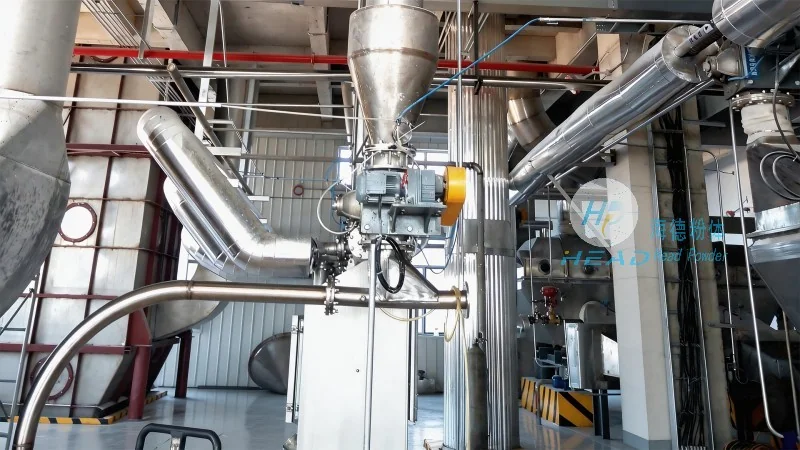
Resin sand, also known as no-bake sand, is a type of foundry sand that uses resin binders to achieve rapid hardening and excellent casting properties. The conveying of resin sand involves moving the sand from storage, through processing equipment, and to the molding line. Effective conveying systems must maintain the sand's moisture content, prevent segregation, and ensure consistent flow. Various methods have been developed to address these challenges, each with its own advantages and applications.
Common Methods for Resin Sand Conveying
Several common methods are employed in the industry to transport resin sand. These methods are selected based on factors such as production scale, sand characteristics, and the specific requirements of the foundry. The primary methods include:
1. Pneumatic Conveying Systems
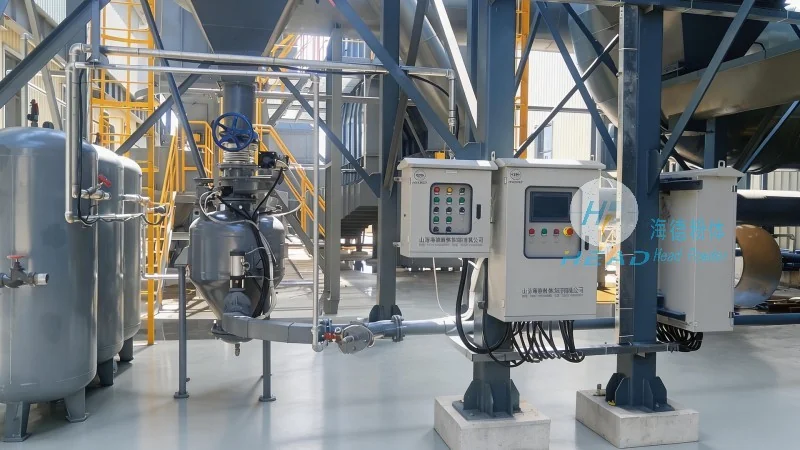
Pneumatic conveying is a widely used method for resin sand transport, especially in applications where dust control and flexibility are critical. This system uses compressed air to move sand particles through a pipeline. There are two main types: dilute-phase and dense-phase pneumatic conveying. Dilute-phase systems are suitable for low to medium capacity applications, while dense-phase systems are ideal for high-capacity and long-distance transport. Pneumatic conveying offers advantages such as low maintenance, the ability to handle abrasive materials, and the option to integrate with dust collection systems. However, it may require higher energy consumption and careful control of air pressure to prevent material degradation.
2. Mechanical Conveying Systems
Mechanical conveying systems are another common approach, utilizing equipment like belt conveyors, screw conveyors, and bucket elevators. Belt conveyors are widely used for horizontal and slight incline transport, providing a continuous and stable flow of resin sand. Screw conveyors are effective for vertical or inclined transport, capable of handling a wide range of sand types and maintaining consistent moisture levels. Bucket elevators are suitable for vertical transport over longer distances, offering high capacity and reliability. Mechanical systems are generally more cost-effective for shorter distances and lower capacities compared to pneumatic systems. They require regular maintenance to ensure smooth operation and prevent wear on components.
3. Hydraulic Conveying Systems
Hydraulic conveying systems use water or other fluids to transport resin sand, often in conjunction with pneumatic or mechanical components. This method is particularly useful for handling fine or abrasive sand particles that may cause wear in traditional systems. The sand is suspended in the fluid and moved through pipelines, which can be designed to minimize friction and material degradation. Hydraulic systems are known for their ability to handle high volumes of material and maintain consistent flow rates. However, they require additional equipment for fluid management and may have higher operational costs due to the need for fluid recycling and treatment.
4. Combination Conveying Systems
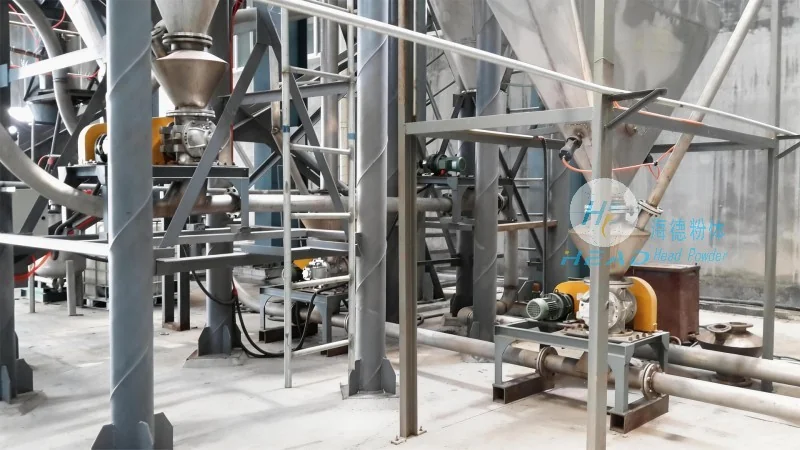
In many foundries, a combination of the above methods is used to achieve optimal performance. For example, a pneumatic system may be used for initial transport from storage to a processing unit, followed by a mechanical conveyor for final delivery to the molding line. This hybrid approach leverages the strengths of each method, such as the flexibility of pneumatic transport and the reliability of mechanical systems. Combination systems are often employed in large-scale foundries where diverse production requirements demand versatile conveying solutions.
Factors Influencing the Choice of Conveying Method
The selection of a resin sand conveying method depends on several key factors. Production volume and the scale of the foundry are primary considerations, as larger operations may require high-capacity systems like dense-phase pneumatic or hydraulic conveyors. The physical properties of the resin sand, including particle size, moisture content, and abrasiveness, also play a significant role. For example, fine or highly abrasive sand may necessitate the use of more robust systems like hydraulic or dense-phase pneumatic conveying to prevent equipment wear and maintain material integrity. The distance and layout of the foundry facility are additional factors, as horizontal or vertical transport requirements may dictate the choice between belt conveyors, screw conveyors, or bucket elevators. Finally, cost considerations, including initial investment, energy consumption, and maintenance requirements, influence the decision-making process. Foundry operators must balance these factors to select the most suitable conveying method for their specific needs.
Conclusion
Efficient resin sand conveying is a critical component of modern foundry operations, directly impacting productivity, quality, and cost-effectiveness. The common methods discussed, including pneumatic, mechanical, hydraulic, and combination systems, each offer unique advantages and are selected based on the foundry's specific requirements. By understanding the characteristics and applications of these methods, foundry operators can optimize their conveying systems to enhance overall performance. As technology advances, further innovations in resin sand transport systems are expected to improve efficiency and sustainability in foundry processes. The choice of the right conveying method remains a key decision for foundries aiming to maintain competitiveness in the industry. Shandong HeadPowder Engineering Co., Ltd. continues to provide innovative solutions to meet the evolving demands of the foundry sector, ensuring that foundries can achieve optimal performance with reliable and efficient resin sand conveying systems.