

Common Methods for Sodium Hydroxide Transportation
When it comes to the transportation of sodium hydroxide, also known as caustic soda, several methods are commonly employed to ensure safe and efficient delivery. These methods are designed to handle the chemical's properties, such as its corrosive nature and high reactivity, while maintaining compliance with safety standards and industry regulations.
1. Pipeline Transportation
Pipeline transportation is a prevalent method for moving sodium hydroxide, especially for large-scale industrial applications. This method involves pumping the chemical through a network of underground or above-ground pipelines. The use of dedicated pipelines allows for continuous and uninterrupted flow, reducing the risk of spills and minimizing handling at each transfer point. Companies like Shandong HeadPowder Engineering Co., Ltd. often utilize this approach for their bulk supply needs, ensuring reliable delivery to clients across various industries.
2. Tank Truck Transportation
For smaller to medium-sized shipments, tank trucks are a common choice. These specialized vehicles are equipped with insulated and corrosion-resistant tanks to safely transport sodium hydroxide. The trucks are designed to maintain the chemical's temperature and prevent contamination. This method offers flexibility in delivery, as tank trucks can navigate urban areas and reach locations that pipelines may not cover. HeadPowder, as a leading provider in the field, offers tank truck services to meet diverse client requirements, ensuring timely and secure transportation of sodium hydroxide.

3. Containerized Shipping
Containerized shipping is another effective method, particularly for international or long-distance transportation. Sodium hydroxide is often packaged in specialized containers, such as ISO tanks or bulk containers, which are designed to withstand the chemical's corrosive properties. These containers are sealed and labeled according to international shipping regulations, ensuring compliance with safety standards. This method is ideal for transporting large volumes over long distances, and companies like Shandong HeadPowder Engineering Co., Ltd. have expertise in managing containerized shipments, providing clients with a reliable solution for global supply chains.
4. Bulk Storage and Transfer
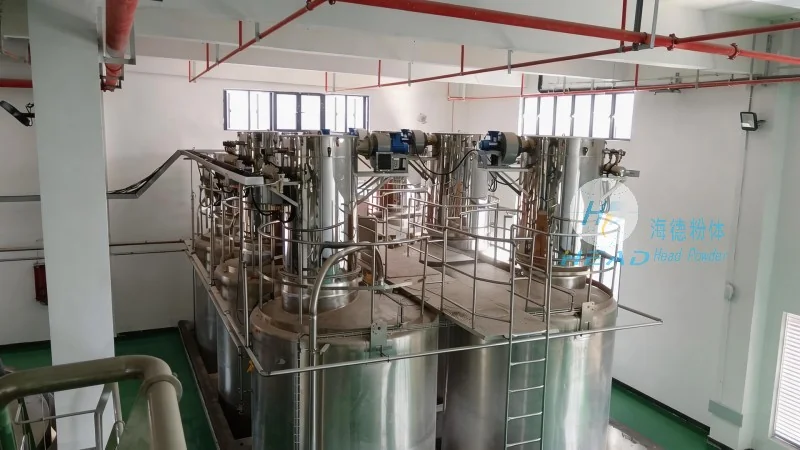
Bulk storage and transfer systems are also utilized in many industrial settings. These systems involve storing sodium hydroxide in large tanks or silos and transferring it to other equipment or vessels as needed. This approach is particularly useful in manufacturing plants where the chemical is used as an intermediate in production processes. The use of automated transfer systems helps minimize human exposure and reduces the risk of accidents. HeadPowder, with its extensive experience in chemical handling, provides comprehensive solutions for bulk storage and transfer, ensuring efficient operations and safety compliance.

5. Specialized Handling Equipment
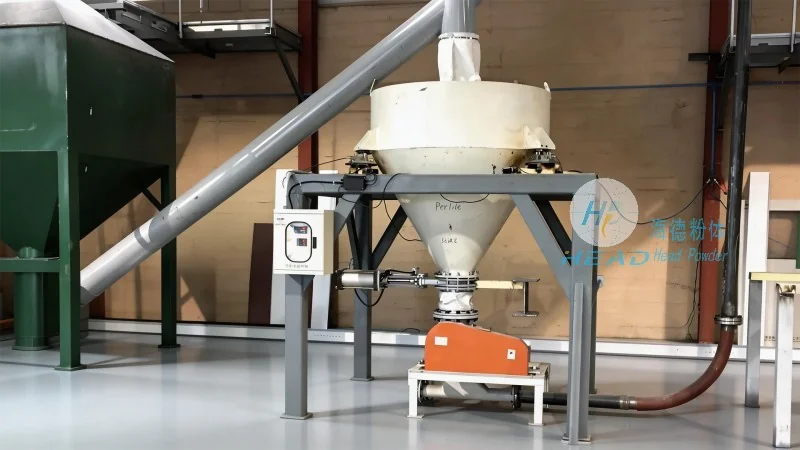
Specialized handling equipment, such as pumps, valves, and hoses, is essential for the safe transportation of sodium hydroxide. These tools are designed to withstand the chemical's corrosive nature and prevent leaks or spills. Companies like Shandong HeadPowder Engineering Co., Ltd. invest in high-quality equipment to ensure the safety and efficiency of their operations. Proper training for operators and regular maintenance of equipment are critical to maintaining the integrity of the transportation process.
Key Considerations for Sodium Hydroxide Transportation
When selecting a transportation method for sodium hydroxide, several factors must be considered. These include the volume of the shipment, the distance to be traveled, the destination's infrastructure, and regulatory requirements. The choice of method also impacts cost, safety, and delivery time. For instance, pipeline transportation may be more cost-effective for large volumes but requires significant infrastructure investment. Tank trucks offer flexibility and can reach remote locations, while containerized shipping is suitable for international trade. Companies like HeadPowder understand these considerations and tailor their services to meet the specific needs of each client.
Ensuring Safety and Compliance
Transporting sodium hydroxide requires strict adherence to safety protocols and regulatory standards. This includes proper labeling, handling procedures, and emergency response plans. Companies operating in this field must ensure that their vehicles, equipment, and personnel are properly trained and equipped to handle the chemical. Compliance with local and international regulations is essential to prevent accidents and protect the environment. Shandong HeadPowder Engineering Co., Ltd. prioritizes safety and compliance in all aspects of its operations, providing clients with peace of mind when it comes to the transportation of sodium hydroxide.
Conclusion
In conclusion, the transportation of sodium hydroxide involves several methods, each with its own advantages and considerations. From pipeline systems to tank trucks and containerized shipping, the choice of method depends on the specific needs of the client. Companies like Shandong HeadPowder Engineering Co., Ltd. play a crucial role in providing reliable and safe transportation services, ensuring that sodium hydroxide reaches its destination efficiently and in compliance with all relevant standards. By understanding the different methods and their applications, businesses can make informed decisions to meet their sodium hydroxide supply needs effectively.