

Common Methods for Monocrystalline Silicon Conveyance
Monocrystalline silicon, a foundational material in the semiconductor industry, demands precise and efficient conveyance systems to maintain quality and productivity throughout manufacturing. The handling of monocrystalline silicon wafers or ingots is critical, as any inefficiency or damage during transport can directly impact the final product's performance. This article examines the common methods used for monocrystalline silicon conveyance, detailing their applications, operational characteristics, and suitability for different industrial needs.
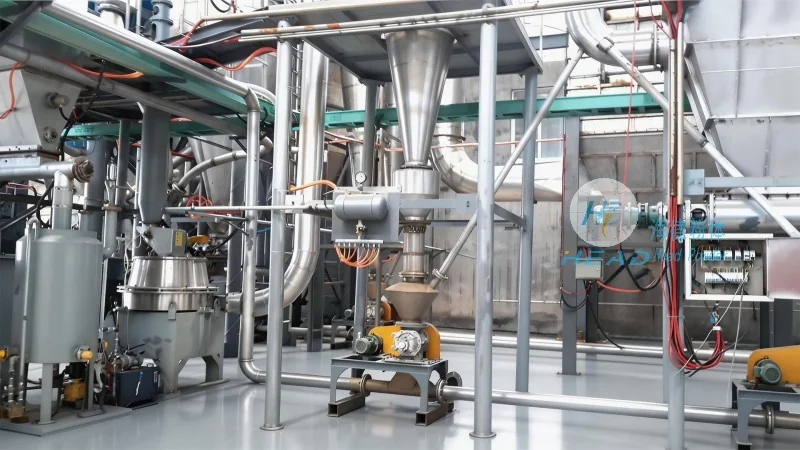
1. Mechanical Conveyance Systems
Mechanical conveyance systems are widely adopted for monocrystalline silicon due to their reliability and ability to handle diverse shapes and sizes of silicon materials. These systems typically include screw conveyors, belt conveyors, and vibratory feeders. Screw conveyors utilize a rotating screw to move silicon through a tube, providing a continuous and controlled flow. This method excels in vertical or horizontal bulk transport, minimizing material degradation. Belt conveyors employ a moving belt to transport silicon wafers or ingots, offering smooth and gentle handling that reduces the risk of scratches or cracks. Vibratory feeders, which use vibrations to move materials, are ideal for feeding silicon into processing equipment, capable of handling both dry and wet silicon with precision. Mechanical systems are preferred where direct material contact is necessary and high positioning accuracy is required.
2. Pneumatic Conveyance Systems
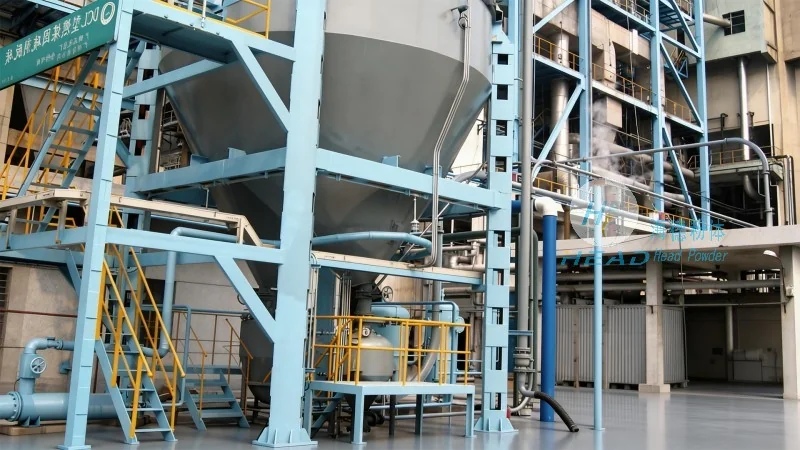
Pneumatic conveyance, or air-based systems, offers a non-contact method for transporting monocrystalline silicon, preserving material purity. These systems use compressed air to move silicon particles or small wafers through a pipeline. Two main types exist: pressure and vacuum systems. Pressure systems force air and silicon through the pipeline, while vacuum systems draw material into the system using a vacuum. Pneumatic conveyance is particularly suited for fine silicon powders or small pieces, as it handles delicate materials without physical contact. This method also excels in dust control, as the enclosed system prevents particle dispersion. However, pneumatic systems require careful design to ensure efficient air flow and prevent blockages, which can affect performance. The choice between pressure and vacuum systems depends on factors like transport distance and material density.
3. Hydraulic Conveyance Systems
Hydraulic conveyance systems leverage fluid power to transport monocrystalline silicon, providing high-capacity and low-maintenance bulk handling solutions. These systems consist of hydraulic cylinders, pumps, and control valves that move silicon materials. Hydraulic conveyance is effective for heavy silicon ingots or large batches of wafers, handling high loads with minimal effort. The fluid power offers consistent and controlled movement, reducing material damage risk. Additionally, hydraulic systems can integrate with other processing equipment for seamless material flow. However, regular maintenance is needed to keep the fluid system clean and contaminant-free, as impurities can affect material quality. The system's complexity and cost are considerations when implementing hydraulic conveyance for monocrystalline silicon.
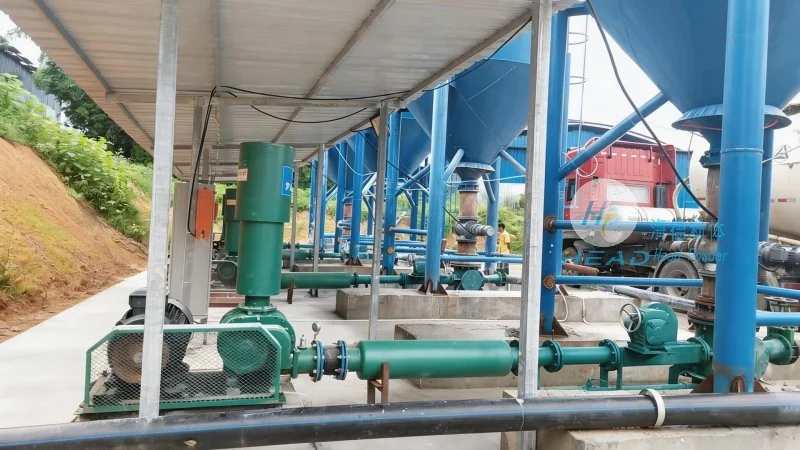
4. Automated Guided Vehicle (AGV) Systems
Automated guided vehicle systems represent a modern approach to monocrystalline silicon conveyance, using robotics and automation to enhance efficiency and precision. AGVs are self-propelled vehicles with sensors and navigation systems that move silicon materials between manufacturing locations. These systems can be programmed to follow specific routes, avoiding obstacles and ensuring timely delivery of wafers or ingots. AGV systems are beneficial in large-scale semiconductor plants, where material transport between multiple stages is complex. Automation reduces labor costs and minimizes human error, improving productivity. Integration with inventory and quality control systems creates a comprehensive material handling solution. However, AGV implementation requires significant infrastructure and software investment, with regular maintenance for optimal performance. The flexibility and scalability of AGV systems make them popular for modern monocrystalline silicon production lines.
5. Specialized Conveyance Solutions
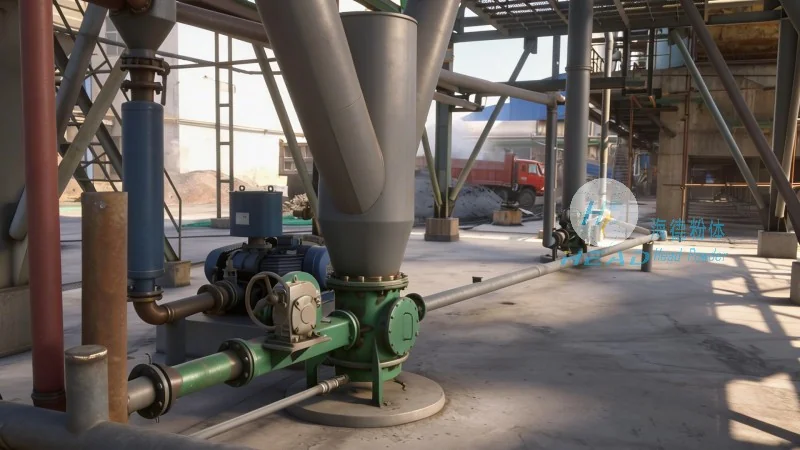
For specialized applications, tailored conveyance solutions may be employed to address unique challenges in monocrystalline silicon handling. These solutions often combine mechanical, pneumatic, or hydraulic elements to meet specific process requirements. For example, a mechanical and pneumatic combination may handle delicate wafers, with the mechanical system providing gentle handling and the pneumatic system ensuring non-contact transport. Specialized solutions are also used in high-purity environments to avoid contamination. Companies like Shandong HeadPowder Engineering Co., Ltd., based in China, offer customized conveyance systems integrating advanced technologies to meet semiconductor industry needs. Their expertise in material handling and process optimization ensures efficient and safe monocrystalline silicon transport, contributing to overall manufacturing success.