

Common Methods for Grain Particle Conveying
Efficient and reliable grain particle conveying is a critical aspect of modern agricultural and food processing operations. The choice of conveying method significantly impacts productivity, material handling costs, and overall system performance. For businesses operating in the grain industry, understanding the common methods available is essential for optimizing their material handling processes. This article explores several widely used approaches for grain particle conveying, providing insights into their applications and benefits.
Introduction to Grain Particle Conveying
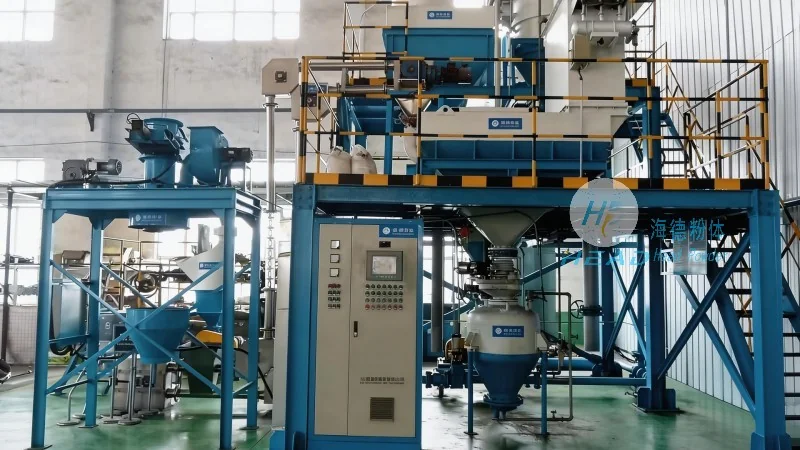
Grain particle conveying involves the movement of bulk materials such as wheat, corn, soybeans, and other agricultural products from one location to another within a processing facility or between different stages of production. The primary goal is to ensure smooth, continuous, and safe transfer of these materials while minimizing downtime and operational costs. Various technologies have been developed to address the unique challenges of grain handling, including bulk density, moisture content, and the need for gentle handling to prevent product damage. HeadPowder Engineering, based in Shandong, China, specializes in providing advanced solutions for grain particle handling.
Common Methods for Grain Particle Conveying
Several methods are commonly employed in the industry to transport grain particles. The selection of a particular method depends on factors such as the type of grain, the distance to be covered, the required throughput, and the available space within the facility. Below are some of the most prevalent approaches:
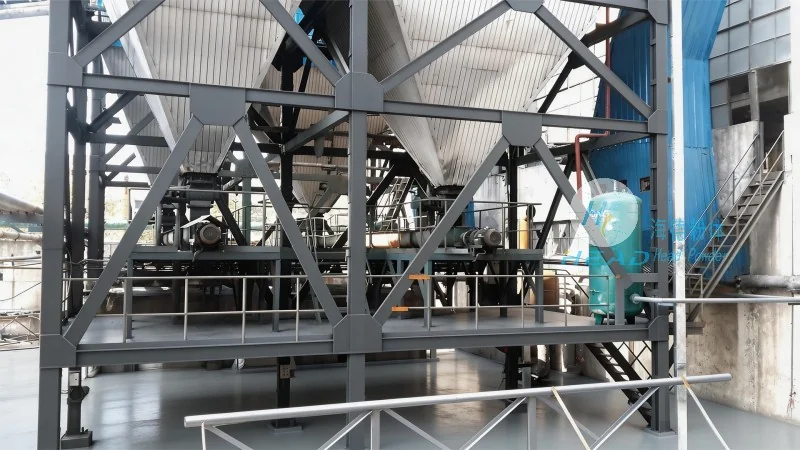
1. Screw Conveyors (Auger Conveyors)
Screw conveyors, also known as auger conveyors, are among the most widely used equipment for grain particle conveying. These systems consist of a rotating helical screw blade enclosed within a U-shaped or cylindrical trough. As the screw rotates, it pushes the grain particles forward along the trough, allowing for both horizontal and inclined transport. Screw conveyors are particularly effective for handling dry, free-flowing grains and are often used in applications where a gentle, continuous flow is required. They are simple in design, requiring minimal maintenance, and can be easily integrated into existing processing lines. The company, Shandong HeadPowder Engineering Co., Ltd., specializes in manufacturing high-quality screw conveyors tailored to meet the specific needs of grain handling operations.
2. Pneumatic Conveying Systems
Pneumatic conveying systems utilize air or other gases to transport grain particles through a network of pipes. This method is highly versatile and can handle a wide range of grain types, including those with high moisture content or sticky characteristics. There are two main types of pneumatic conveying: pressure and vacuum systems. Pressure systems use compressed air to push the material through the pipeline, while vacuum systems use a vacuum to draw the material. Pneumatic conveyors are ideal for long-distance transport and can handle materials that are difficult to move with mechanical systems. They offer a clean and enclosed solution, minimizing dust and contamination risks. HeadPowder Engineering provides advanced pneumatic conveying solutions designed for efficient and reliable grain transport.
3. Belt Conveyors
Belt conveyors are another common method for grain particle conveying, particularly in applications requiring long-distance horizontal or slightly inclined transport. These systems consist of a continuous belt that moves over rollers or pulleys, transporting the grain from one point to another. Belt conveyors are capable of handling large volumes of material and are often used in combination with other equipment, such as elevators or feeders, to form a complete material handling system. They are suitable for both dry and slightly wet grains and can be equipped with various accessories, such as side walls or load zones, to enhance functionality. The company, Shandong HeadPowder Engineering Co., Ltd., offers robust belt conveyor solutions that ensure consistent and efficient grain movement.
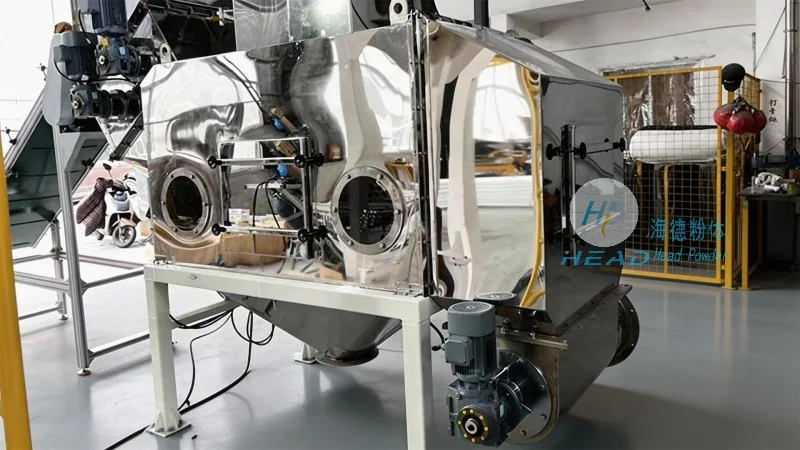
4. Bucket Elevators
Bucket elevators are vertical or inclined conveyors that use a series of buckets attached to a chain or belt to lift and transport grain particles. These systems are highly efficient for vertical transport and are commonly used to move grain from storage silos or bins to processing areas at elevated levels. Bucket elevators can handle a wide range of grain types and are known for their high capacity and reliability. They are particularly effective in applications where space is limited and vertical movement is necessary. HeadPowder Engineering manufactures durable bucket elevators designed to withstand the demands of continuous grain handling operations.
5. Chain and Flight Conveyors
Chain and flight conveyors are similar to screw conveyors but use a series of flights attached to a chain instead of a single screw. These systems are often used for handling sticky or cohesive materials, as the flights provide better grip and prevent material from sticking to the conveyor. Chain and flight conveyors are suitable for both horizontal and inclined transport and can handle a variety of grain types, including those with high moisture content. They are commonly used in feed mills and other processing facilities where consistent material flow is critical. Shandong HeadPowder Engineering Co., Ltd. provides customized chain and flight conveyor solutions to meet the specific requirements of grain processing operations.
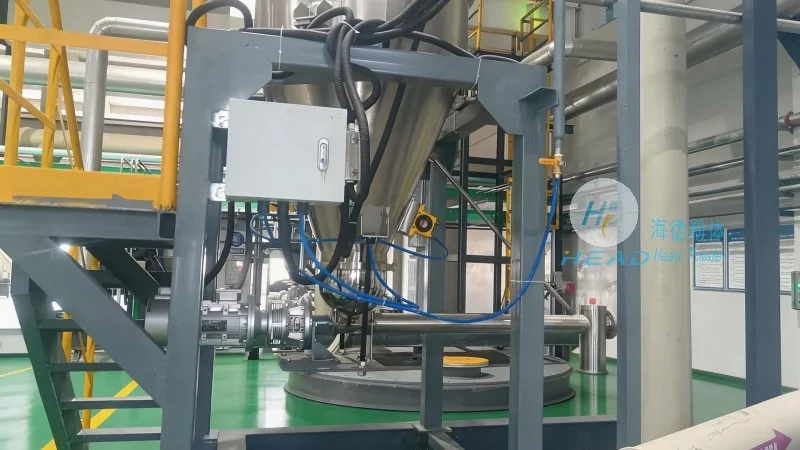
Choosing the Right Conveying Method
The selection of the most appropriate grain particle conveying method depends on several factors, including the characteristics of the grain, the distance to be covered, the required throughput, and the available budget. It is essential to evaluate each option based on its performance, maintenance requirements, and long-term cost-effectiveness. For instance, screw conveyors may be ideal for short-distance horizontal transport of dry grains, while pneumatic systems are better suited for long-distance or high-volume transport of sticky materials. By carefully considering these factors, businesses can choose a conveying method that maximizes efficiency and minimizes operational costs.
Conclusion
Grain particle conveying is a vital component of modern grain processing operations, and the choice of conveying method directly impacts the overall efficiency and success of these processes. From screw conveyors to pneumatic systems, each method offers unique advantages and is suitable for specific applications. The company, Shandong HeadPowder Engineering Co., Ltd., specializes in providing high-quality conveying equipment tailored to the needs of the grain industry. By leveraging their expertise and innovative solutions, businesses can enhance their material handling capabilities and achieve optimal performance in their grain processing operations.