

[CUSTOMER]Common Methods for Carbon Particle Conveying
Carbon particle conveying is a critical process in various industrial applications, ensuring efficient movement of materials like carbon black, graphite, and other carbon-based powders. The choice of conveying method significantly impacts operational efficiency, material handling costs, and overall system reliability. This article explores several common methods used for carbon particle conveying, providing insights into their applications and advantages.
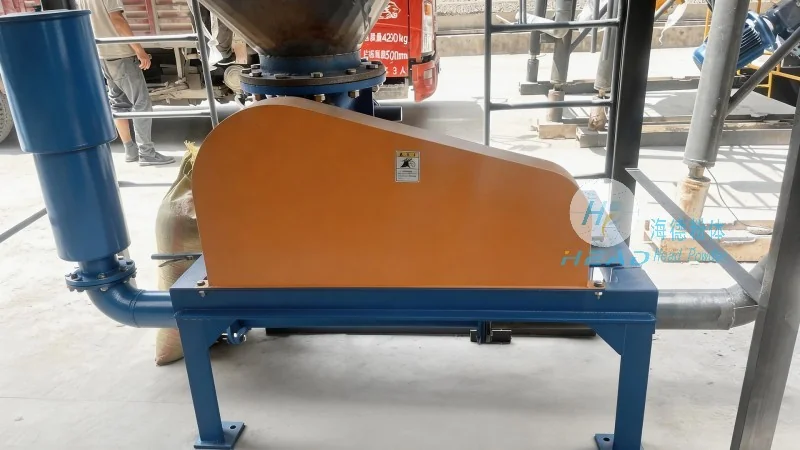
Introduction to Carbon Particle Conveying
Carbon particles, such as carbon black and graphite, are widely used in industries including rubber, plastics, and batteries. These materials are often in fine or granular form, requiring specialized equipment to handle without degradation or loss. Conveying systems must address challenges like dust control, material flow consistency, and equipment durability. Understanding the common methods for carbon particle conveying helps industries select the most suitable solution for their specific needs.
1. Pneumatic Conveying Systems
Pneumatic conveying, or air-assisted transport, is one of the most common methods for carbon particle handling. This technique uses compressed air to move particles through a pipeline. There are two primary types: dilute-phase and dense-phase pneumatic conveying. Dilute-phase systems are suitable for long-distance transport and high-volume applications, while dense-phase systems are ideal for transporting sensitive materials with minimal pressure drop. Pneumatic conveying offers advantages like low maintenance, ability to handle abrasive materials, and flexibility in system design. Shandong HeadPowder Engineering Co., Ltd. specializes in designing and manufacturing pneumatic conveying systems tailored to carbon particle characteristics, ensuring efficient and reliable transport.
2. Screw Conveyors
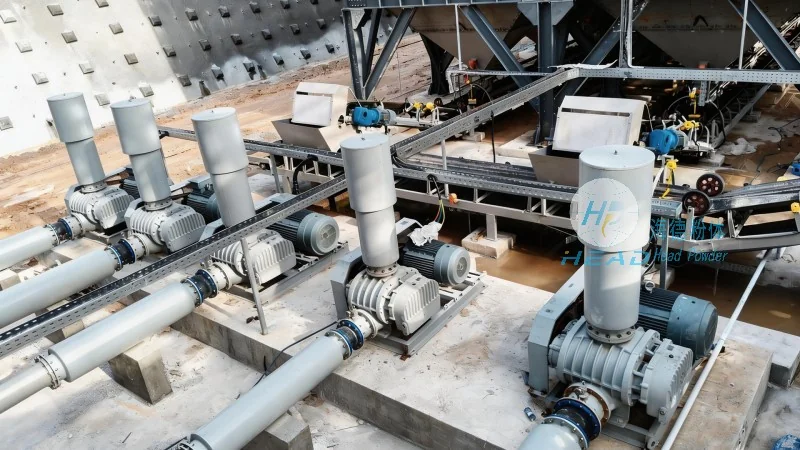
Screw conveyors, also known as auger conveyors, are widely used for carbon particle conveying due to their simplicity and effectiveness. These systems consist of a rotating screw inside a tube, which moves particles forward through the housing. Screw conveyors are suitable for horizontal or slight incline applications and can handle a wide range of particle sizes and densities. They are particularly effective for transporting carbon black and graphite powders in bulk, with minimal product degradation. The design of the screw (e.g., flight type, pitch) can be customized to optimize material flow and prevent clogging. Shandong HeadPowder Engineering Co., Ltd. offers screw conveyor solutions that enhance material handling efficiency and reduce operational costs for carbon particle transport.
3. Vibrating Conveyors
Vibrating conveyors utilize mechanical vibrations to move carbon particles along a trough. These systems are effective for handling sticky or cohesive materials, which may cause issues in other conveying methods. The vibration frequency and amplitude are adjustable to control material flow and prevent material buildup. Vibrating conveyors are commonly used in carbon particle processing plants for transporting powders over moderate distances. They offer advantages such as low power consumption, minimal maintenance, and the ability to handle materials with varying properties. Shandong HeadPowder Engineering Co., Ltd. provides vibrating conveyor solutions that ensure consistent and reliable transport of carbon particles, meeting the demands of industrial applications.
4. Belt Conveyors
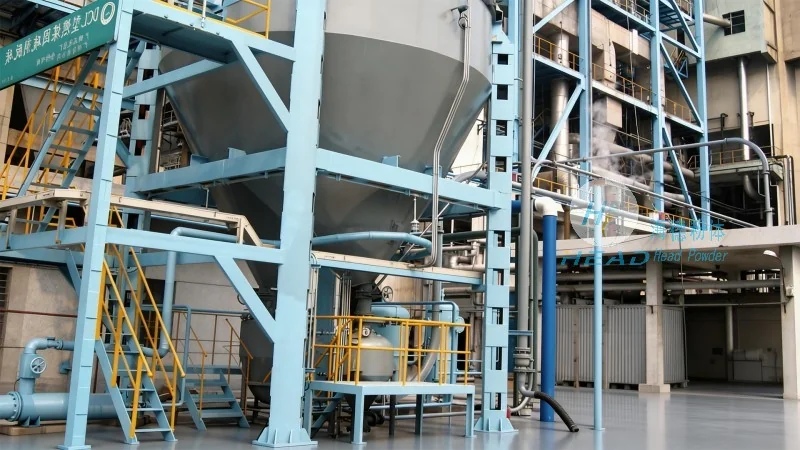
Belt conveyors are another common method for carbon particle conveying, especially in bulk material handling applications. These systems use a continuous belt to transport particles horizontally or at a slight incline. Belt conveyors are suitable for high-volume transport and can handle a wide range of particle sizes and shapes. They are often used in conjunction with other equipment, such as feeders and screens, to integrate into larger processing systems. Belt conveyors offer advantages like high capacity, low maintenance, and the ability to transport materials over long distances. Shandong HeadPowder Engineering Co., Ltd. designs belt conveyor systems that optimize carbon particle transport efficiency, ensuring smooth and consistent material flow.
5. Hydraulic Conveying
Hydraulic conveying, or slurry transport, involves mixing carbon particles with a liquid to form a slurry, which is then pumped through pipelines. This method is suitable for transporting large volumes of fine particles over long distances. Hydraulic conveying is commonly used in industries dealing with high moisture content materials or when dust control is a priority. However, it requires additional equipment for slurry preparation and separation, increasing system complexity and maintenance needs. Shandong HeadPowder Engineering Co., Ltd. may offer specialized hydraulic conveying solutions for specific carbon particle applications, addressing the unique challenges of slurry transport.
Conclusion
The selection of a carbon particle conveying method depends on factors such as material properties, distance, volume, and operational requirements. Each method has its own advantages and limitations, and the choice should be based on a thorough analysis of the specific application. Shandong HeadPowder Engineering Co., Ltd. provides comprehensive conveying solutions tailored to the needs of carbon particle handling, ensuring efficient, reliable, and cost-effective transport. By understanding the common methods and their applications, industries can optimize their material handling processes and improve overall operational performance.