

Common Methods for Transporting Metallurgical Coke Powder
Metallurgical coke powder is a critical raw material in the steelmaking process, and efficient transportation is essential to ensure smooth production operations. The choice of transport method significantly impacts operational efficiency, safety, and cost. This article explores the common methods used for transporting metallurgical coke powder, highlighting their advantages and applications.
Overview of Metallurgical Coke Powder Transport
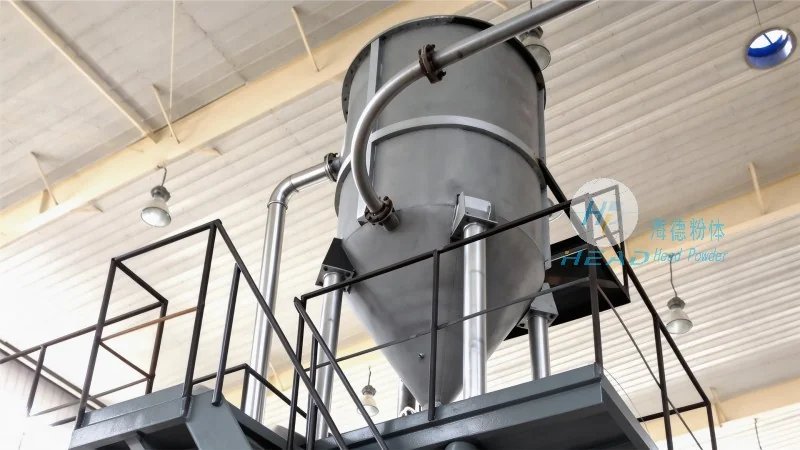
Metallurgical coke powder, also known as coke breeze, is produced by crushing and screening metallurgical coke. It is widely used in blast furnaces and other industrial applications. The transportation of this fine powder requires specialized equipment and methods to prevent dust generation, ensure material integrity, and maintain safety standards. Various transport systems have been developed to meet these demands, each with unique characteristics suited to different production environments and scale requirements.
Common Transport Methods for Metallurgical Coke Powder
Several methods are commonly employed for the transport of metallurgical coke powder. These include pipeline transport, belt conveyor systems, and pneumatic (air) transport. Each method has its own set of advantages and is selected based on factors such as the distance of transport, the volume of material, and the need for dust control.
Pipeline Transport
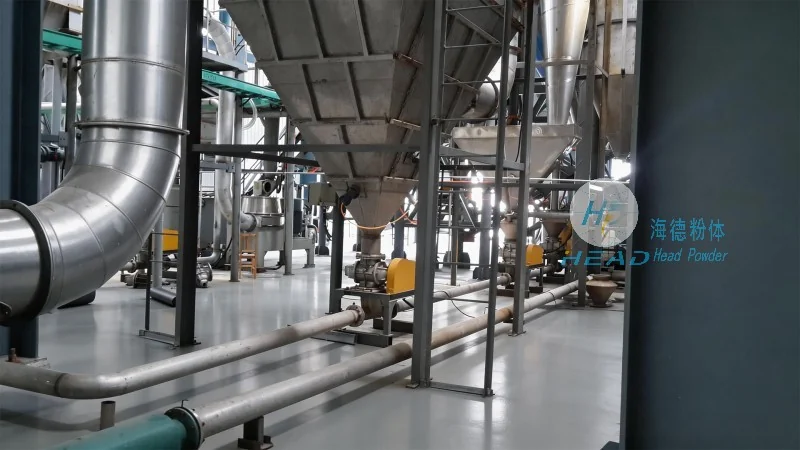
Pipeline transport involves moving the coke powder through a closed system of pipes. This method is highly efficient for long-distance transport and is particularly suitable for continuous production lines. The system typically consists of a hopper, a feeder, and a pipeline with a pressure or vacuum system to move the material. The main advantages of pipeline transport include minimal labor requirements, reduced dust exposure for personnel, and the ability to maintain a consistent flow rate. However, it requires significant initial investment in infrastructure and may be less flexible for changes in transport routes.
Belt Conveyor Systems
Belt conveyor systems are widely used in industrial settings for transporting bulk materials, including metallurgical coke powder. These systems consist of a moving belt that carries the material from one location to another. They are particularly effective for horizontal or slightly inclined transport over short to medium distances. The advantages of belt conveyors include high capacity, low maintenance costs, and the ability to handle a wide range of material sizes. They are also relatively easy to install and can be integrated with other processing equipment. However, they may generate more dust compared to enclosed systems and require regular cleaning to prevent material buildup.
Pneumatic (Air) Transport
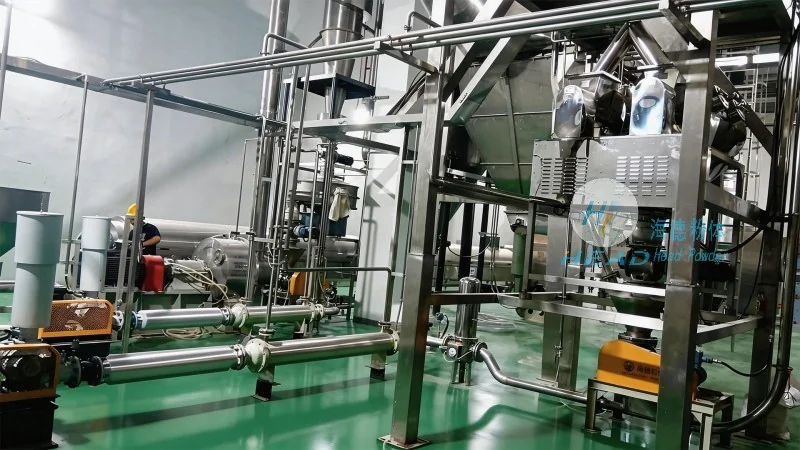
Pneumatic transport, or air transport, uses compressed air to move the coke powder through a pipeline. This method is ideal for applications requiring dust-free environments or for transporting materials over short distances where flexibility is needed. The system includes a blower, a hopper, and a pipeline with a filter to capture any dust. The primary benefits of pneumatic transport include the ability to transport materials in a closed system, reducing environmental impact and health risks. It also allows for precise control over the flow rate and can handle materials with high moisture content. The main drawback is the higher energy consumption compared to other methods, as compressed air requires significant power to operate.
Selection Criteria for Transport Methods
The choice of transport method for metallurgical coke powder depends on several factors. The distance of transport is a key consideration, as long distances may favor pipeline or pneumatic systems, while short distances might use belt conveyors. The volume of material to be transported also plays a role, with belt conveyors being more suitable for high-volume applications. Additionally, the need for dust control and environmental compliance can influence the selection, with enclosed systems like pipelines and pneumatic transport offering better dust management. Cost considerations, including initial investment and operational expenses, are also critical in the decision-making process.