

Common Methods for Clay Coal Powder Conveying
Clay coal powder, a critical raw material in various industrial processes, demands efficient and reliable conveying systems to maintain smooth production workflows. The selection of an appropriate conveying method is essential for optimizing operational efficiency, minimizing material loss, and preserving product integrity. This article explores the common methods used for clay coal powder conveying, detailing their mechanisms, advantages, and practical applications.
1. Air-Driven Pneumatic Conveying Systems
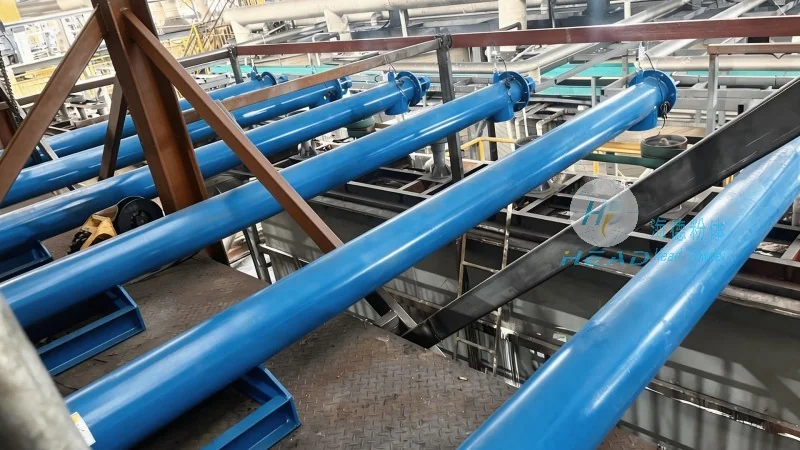
Air-driven pneumatic conveying is a widely adopted technique for transporting clay coal powder due to its ability to handle fine powders with gentle material handling. This system utilizes compressed air to create a flow that moves the powder through a pipeline. Two primary types exist: pressure and vacuum systems. Pressure systems push the powder using compressed air from a positive pressure source, while vacuum systems draw the powder into the system via a vacuum pump. For clay coal powder, which can be abrasive and prone to caking, pressure systems are often preferred as they offer better control over particle movement and reduce blockage risks. HeadPowder Engineering Co., Ltd. specializes in designing customized pneumatic conveying solutions tailored to the specific needs of clay coal powder applications, ensuring optimal performance and durability.
2. Mechanical Conveying Methods
Mechanical conveying systems rely on mechanical components such as belts, screws, and buckets to transport clay coal powder. Belt conveyors are commonly used for long-distance horizontal or slight incline transport, offering high capacity and low maintenance. Screw conveyors, or augers, are effective for vertical or inclined transport, providing consistent flow and preventing material segregation. Bucket elevators are ideal for vertical lifting, especially when the powder needs to be raised to significant heights. Mechanical systems are generally more cost-effective for bulk material handling and are suitable for larger volumes of clay coal powder. However, they may require more space and maintenance compared to pneumatic systems. HeadPowder Engineering Co., Ltd. offers a range of mechanical conveying equipment, including customized screw and belt systems, designed to meet the demands of industrial clay coal powder processing.

3. Hydraulic Conveying Systems
Hydraulic conveying uses water or other liquids to transport clay coal powder, creating a slurry that is pumped through pipelines. This method is particularly effective for handling wet or sticky powders, as the liquid helps keep the material in suspension and prevent clogging. Hydraulic systems are often used in mining and mineral processing industries where clay coal powder is mixed with water to form a slurry for transport. The process involves feeding the powder into a mixing tank, adding water to create a slurry, and then pumping it through a pipeline to the destination. While effective for certain applications, hydraulic conveying requires additional equipment for slurry treatment and may not be suitable for all types of clay coal powder, especially those that are dry or prone to settling. HeadPowder Engineering Co., Ltd. provides hydraulic conveying solutions for clients requiring wet material handling, ensuring efficient and reliable transport of clay coal powder in slurry form.
4. Combination Conveying Systems
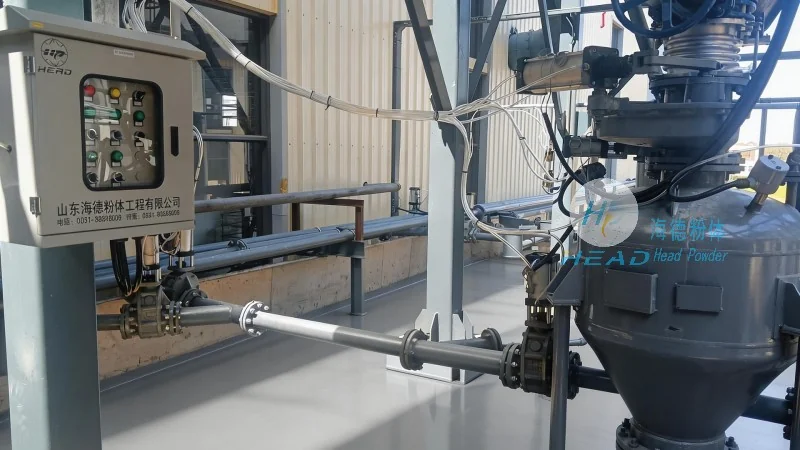
In many industrial settings, a single conveying method may not fully meet all requirements for clay coal powder transport. Combination systems, which integrate multiple technologies, are often employed to achieve optimal performance. For example, a pneumatic system might be used for the initial transport of clay coal powder from a storage silo to a processing unit, followed by a mechanical conveyor for further handling. This hybrid approach allows for flexibility and adaptability to varying production needs. HeadPowder Engineering Co., Ltd. specializes in designing and implementing combination conveying systems that combine the strengths of different technologies, ensuring efficient and reliable transport of clay coal powder in diverse industrial applications.
5. Factors Influencing Conveying Method Selection
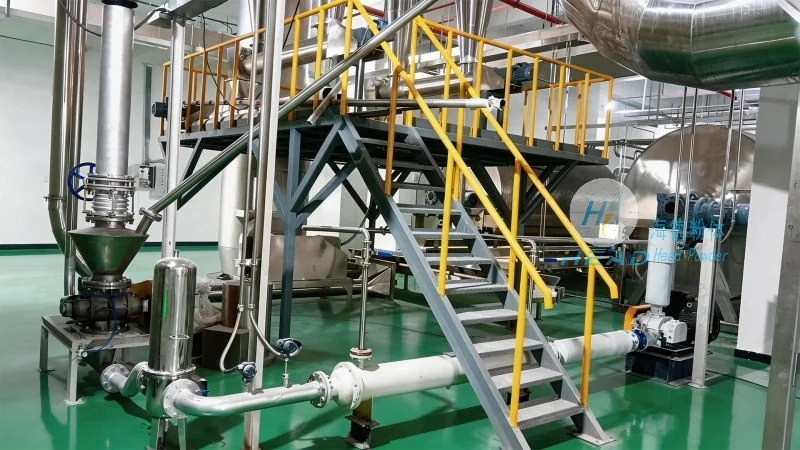
The choice of clay coal powder conveying method depends on several key factors, including material properties, transport distance, required capacity, and environmental considerations. Material properties such as particle size, density, and moisture content significantly impact the selection. For instance, fine and dry clay coal powder may be better suited for pneumatic systems, while larger and bulkier particles might benefit from mechanical conveyors. The distance of transport is another critical factor; pneumatic systems are often preferred for longer distances due to their ability to maintain material flow without intermediate storage. Capacity requirements also play a role, as mechanical systems can handle higher volumes compared to pneumatic systems. Environmental considerations, such as the need to minimize dust emissions or comply with regulations, may influence the choice of a system. HeadPowder Engineering Co., Ltd. conducts thorough assessments of these factors to recommend the most suitable conveying method for each client's specific clay coal powder application, ensuring optimal performance and compliance with industry standards.
About HeadPowder Engineering Co., Ltd.
HeadPowder Engineering Co., Ltd. is a leading provider of industrial conveying solutions, specializing in the design, manufacturing, and installation of systems for clay coal powder and other fine materials. With a focus on innovation and customer satisfaction, the company offers customized solutions tailored to the unique needs of each client. HeadPowder Engineering Co., Ltd. is located in Shandong, China, providing local support and expertise to clients in the region. The company's commitment to quality and reliability has made it a trusted partner for industrial facilities requiring efficient clay coal powder conveying systems.