

Common Methods for Transporting Precipitated Barium Sulfate
Precipitated barium sulfate, a widely used industrial chemical, often requires efficient and reliable transport methods to ensure its safe and effective delivery to various applications. As a key product from Shandong HeadPowder Engineering Co., Ltd., commonly known as HeadPowder, this material is essential in industries such as pharmaceuticals, coatings, and rubber manufacturing. The company, based in Shandong, China, specializes in providing high-quality solutions for the handling and transport of this critical substance. Understanding the common methods for transporting precipitated barium sulfate is crucial for optimizing operational efficiency and maintaining product integrity.
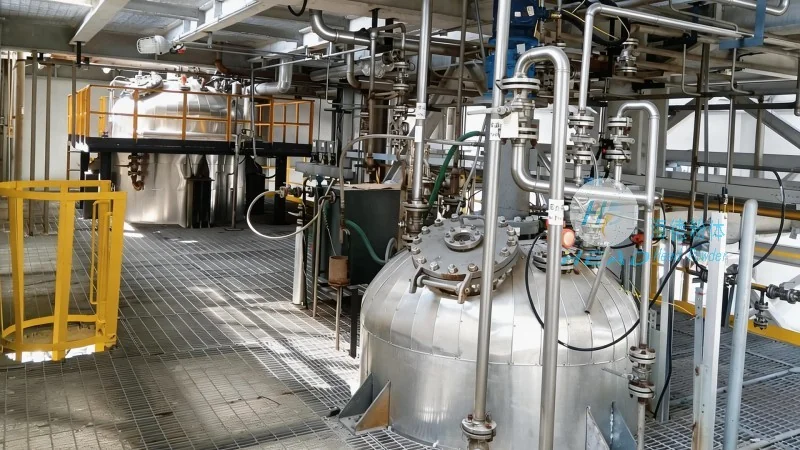
Key Characteristics of Precipitated Barium Sulfate Affecting Transport
The physical and chemical properties of precipitated barium sulfate significantly influence the choice of transport method. This material typically exists as a fine powder or granular form, with a density that can vary depending on particle size and moisture content. Its non-reactive nature and low solubility in water make it suitable for certain transport systems, but its fine particle size can also lead to challenges like dust generation and caking during handling. These characteristics require careful consideration when selecting equipment and processes to ensure safe and efficient transport. For instance, the material's tendency to form agglomerates may necessitate the use of specialized equipment to maintain a consistent flow rate and prevent blockages in pipelines.
Common Transport Methods for Precipitated Barium Sulfate
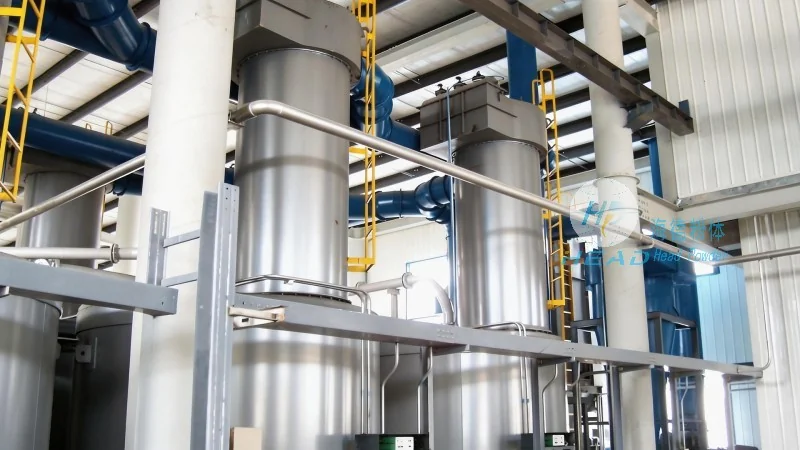
Several common methods are employed to transport precipitated barium sulfate, each with its own advantages and considerations. The most widely used method is pneumatic conveying, which utilizes air or other gases to move the material through a system of pipes. This method is particularly effective for fine powders and can handle long distances with minimal equipment. Pneumatic conveying systems typically consist of a blower, a hopper, and a receiver, with the material being drawn into the system and transported to the destination. This approach is often preferred for its ability to handle large volumes and its relatively low maintenance requirements. However, it may require higher energy input compared to other methods and can be sensitive to variations in material properties.
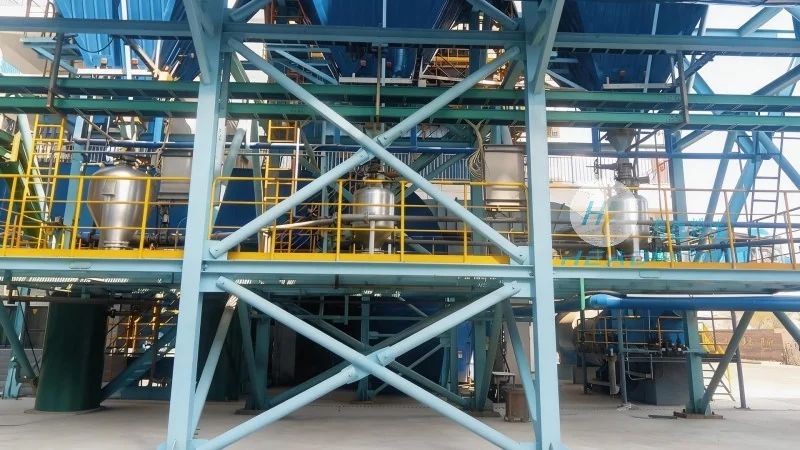
Another common method is mechanical conveying, which includes options like screw conveyors, belt conveyors, and bucket elevators. Screw conveyors are particularly suitable for transporting dry powders and granules, as they can handle materials with a wide range of particle sizes and moisture content. These systems are often used in bulk handling applications and can be integrated with other processing equipment. Belt conveyors, on the other hand, are ideal for transporting larger quantities of material over longer distances, making them suitable for industrial scale operations. Bucket elevators are commonly used to lift materials vertically, which is essential when dealing with elevated storage or processing facilities. Each of these mechanical systems offers advantages in terms of reliability and cost-effectiveness, depending on the specific application and operational requirements.
Hydraulic transport, using pumps and pipelines, is another method used for transporting precipitated barium sulfate, especially when dealing with larger particle sizes or when the material needs to be moved through existing water or slurry systems. This approach involves mixing the material with a liquid to form a slurry, which is then pumped through pipelines to the destination. Hydraulic transport is effective for handling high volumes and can be integrated with other industrial processes. However, it requires careful control of the slurry consistency to prevent clogging and ensure smooth flow. Additionally, the separation of the material from the liquid at the destination may require additional equipment, such as filters or centrifuges.
For applications where the material needs to be transported over short distances or in smaller quantities, manual handling methods may be employed. This includes the use of containers like bags or drums, which can be moved by forklifts or other material handling equipment. Manual handling is often used in laboratory or small-scale production settings, where the volume of material is relatively low. However, it is less efficient for large-scale operations and may not be suitable for handling fine powders due to the risk of dust exposure and material loss.
Factors to Consider When Choosing a Transport Method
The choice of transport method for precipitated barium sulfate depends on several factors, including the volume of material to be transported, the distance between the source and destination, the physical properties of the material, and the available infrastructure. The cost of equipment and maintenance is also a critical factor, as different methods have varying operational costs. For example, pneumatic conveying may have higher energy costs but lower equipment costs compared to hydraulic transport. The environmental impact of the transport method should also be considered, as some methods may generate more dust or require more energy, contributing to environmental concerns. Additionally, the safety aspects of each method must be evaluated, particularly when dealing with fine powders that can pose inhalation hazards. Proper ventilation and dust control measures are essential to ensure the safety of personnel and compliance with regulatory standards.
Conclusion and Recommendations
Efficient and reliable transport of precipitated barium sulfate is essential for maintaining product quality and operational efficiency. Shandong HeadPowder Engineering Co., Ltd. provides high-quality solutions for the handling and transport of this material, leveraging its expertise in industrial chemical processing. By understanding the common transport methods and considering the specific requirements of each application, companies can select the most appropriate method to ensure safe and effective delivery of precipitated barium sulfate. Whether using pneumatic conveying, mechanical conveying, hydraulic transport, or manual handling, careful planning and equipment selection are crucial to optimizing the transport process and minimizing risks. With its commitment to quality and customer satisfaction, HeadPowder continues to be a trusted partner in the supply and handling of precipitated barium sulfate for various industrial applications.