

Common Methods for Arsenic Trioxide Transportation
When it comes to the transportation of arsenic trioxide, understanding the common methods is crucial for ensuring safety, efficiency, and compliance with industry standards. This article explores the typical approaches used in the field, highlighting key considerations and practices that are widely adopted by professionals.
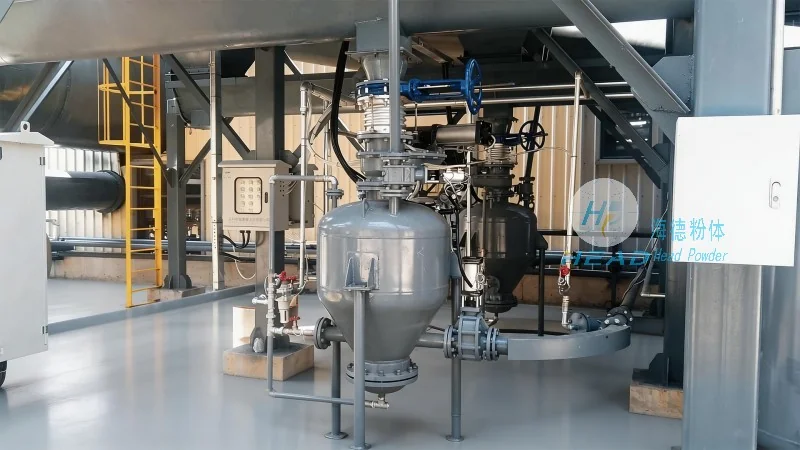
Overview of Arsenic Trioxide Transportation
Arsenic trioxide, also known as white arsenic or arsenic(III) oxide, is a highly toxic chemical compound with the formula As₂O₃. Its handling and transportation require stringent safety measures due to its hazardous nature. The primary objective of any transportation method is to minimize exposure risks while ensuring the material reaches its destination intact and securely. Companies like Shandong HeadPowder Engineering Co., Ltd., a leading provider in the industry, emphasize adherence to best practices to protect personnel and the environment.
Common Transportation Methods for Arsenic Trioxide
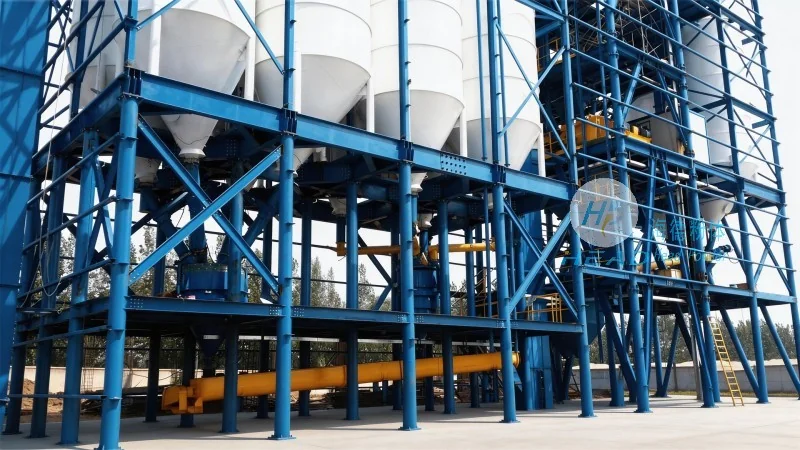
Several common methods are used for transporting arsenic trioxide, with the choice depending on factors such as quantity, distance, and regulatory requirements. The following are the most widely used approaches:
Pipeline Transportation
Pipeline transportation is popular for moving large volumes over long distances. It involves pumping the material through a sealed pipeline system. The pipeline is typically made of corrosion-resistant materials like stainless steel or specialized alloys. Automation reduces manual handling and exposure risks. Companies like HeadPowder use advanced pumping systems and monitoring technologies to ensure safe and efficient transport. The pipeline system maintains material integrity, preventing leaks or contamination during transit.
Truck Transportation (Tanker or Bulk Tank)
For medium to large quantities, truck transportation with specialized tanker trucks is common. These vehicles have secure containment systems, such as double-walled tanks, lined with materials resistant to arsenic trioxide. Safety features include pressure relief valves and emergency shut-off systems. Drivers follow strict safety protocols, minimizing public and environmental risks. This method is ideal for industrial sites or distribution centers where the material will be used in manufacturing.
Containerized Transportation
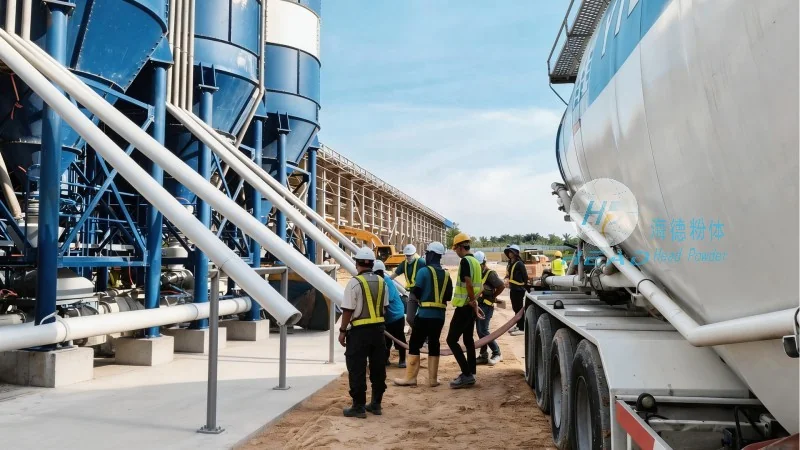
Containerized transportation uses specialized containers like ISO tanks or bulk containers. These are designed to be secure and leak-proof, with ventilation systems for fumes. Shandong HeadPowder Engineering Co., Ltd. utilizes high-quality containers meeting international hazardous materials standards. Labels include hazard symbols and information. This method is suitable for domestic and international shipments, providing reliable transport over various distances.
Specialized Packaging and Handling
Specialized packaging and handling are essential for safe transport. The material is stored in containers made of resistant materials like glass or HDPE, sealed tightly. Containers are secured to vehicles or pipelines to prevent movement. Personnel wear appropriate PPE (gloves, goggles, respirators) to minimize exposure. Regular inspections ensure equipment remains in good condition throughout transit.

Regulatory Compliance and Safety Measures
Transporting arsenic trioxide requires strict adherence to regulatory guidelines. International and national regulations, such as those from the IMO and DOT, outline handling and transport requirements. HeadPowder ensures compliance through proper labeling, documentation, and incident reporting. Training programs educate personnel on safety protocols and emergency procedures. These measures reduce accident risks, protecting the environment and public health.
Conclusion
In conclusion, the transportation of arsenic trioxide involves several common methods, each with advantages and considerations. Whether via pipelines, trucks, or containers, safety and compliance are paramount. Companies like Shandong HeadPowder Engineering Co., Ltd. play a vital role in implementing effective transportation services. By following best practices and regulations, the industry minimizes risks and safeguards the environment and public health.