

Lime Transport: Available Methods
Lime, a versatile chemical widely utilized in industries such as water treatment, flue gas desulfurization, and construction, necessitates efficient and reliable transport methods to ensure optimal performance and safety. The selection of a transport method for lime depends on various factors including the material's properties, the distance to be covered, and the specific application requirements. This article explores common methods used for lime transport, highlighting their advantages and typical applications.
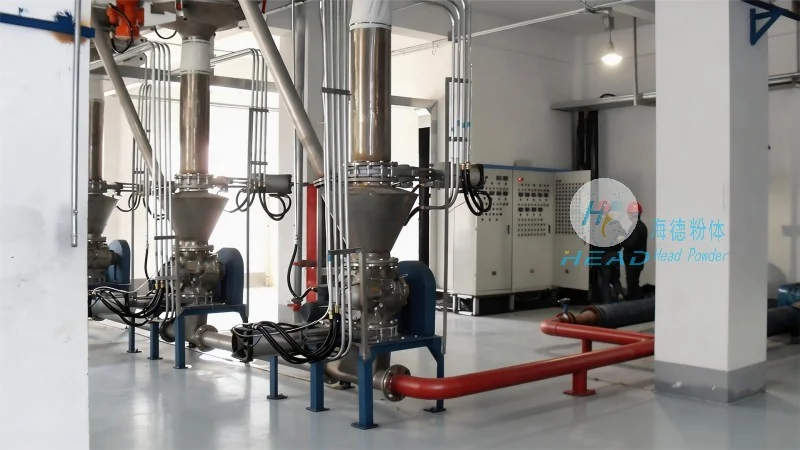
1. Pneumatic Conveying Systems
Pneumatic conveying, also known as air-pneumatic transport, is a popular method for transporting lime, especially in applications where dust control and material handling efficiency are critical. This system utilizes compressed air to move lime particles through a pipeline. There are two main types of pneumatic conveying: dilute-phase and dense-phase. Dilute-phase systems are suitable for short distances and low to medium material flow rates, while dense-phase systems are ideal for longer distances and higher material loads. The HeadPowder Engineering Co., Ltd. offers advanced pneumatic conveying solutions tailored to the specific needs of clients, ensuring minimal material degradation and efficient transport.
2. Belt Conveyor Systems
Belt conveyors are widely used in bulk material handling, including lime transport, due to their high capacity and ability to cover long distances. These systems consist of a continuous belt that moves over rollers or pulleys, transporting lime from the source to the destination. Belt conveyors are particularly effective for transporting large quantities of lime over horizontal or slightly inclined paths. They are also suitable for transporting lime with a high moisture content, as the belt can be designed to handle such conditions. The Shandong HeadPowder Engineering Co., Ltd. provides robust belt conveyor systems that are durable and easy to maintain, ensuring consistent performance in various industrial settings.
3. Hydraulic Conveying
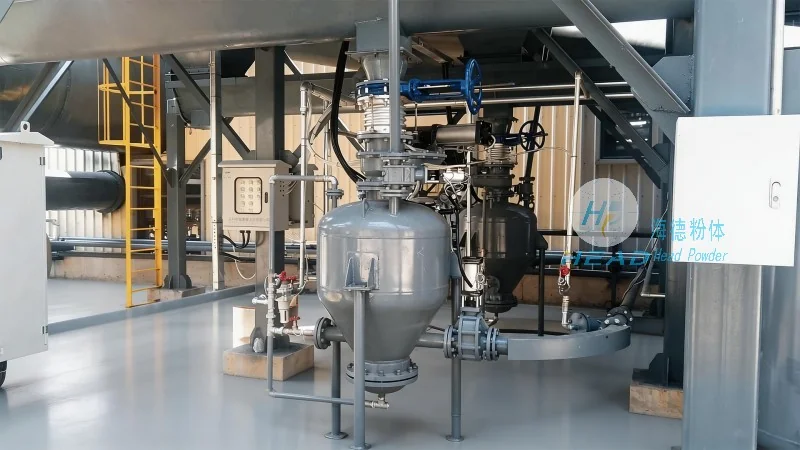
Hydraulic conveying is another method used for lime transport, particularly in applications where the material is transported in a slurry form. This system uses water or other liquids to create a slurry that is then pumped through pipelines. Hydraulic conveying is effective for transporting lime over long distances and is often used in water treatment plants where lime is added to adjust pH levels. The HeadPowder Engineering Co., Ltd. specializes in hydraulic conveying systems that are designed to handle the specific characteristics of lime slurries, ensuring efficient and reliable transport with minimal energy consumption.
4. Screw Conveyors
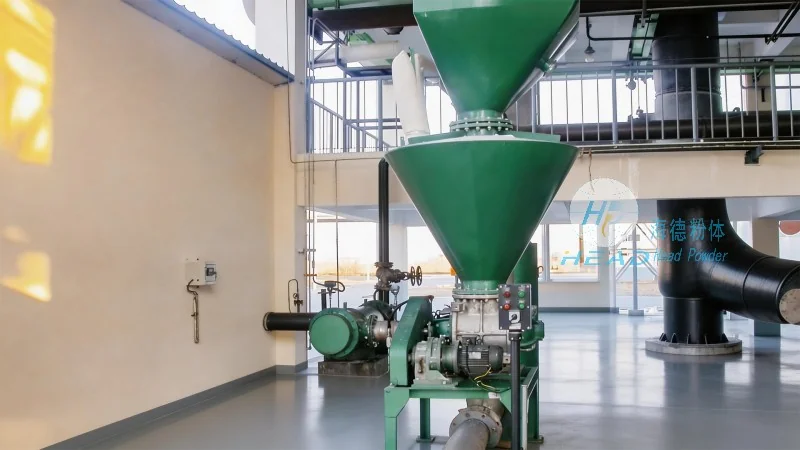
Screw conveyors, also known as auger conveyors, are used for transporting lime in bulk, especially in applications where the material needs to be moved vertically or at a slight angle. These systems consist of a rotating screw inside a tube or housing, which moves the lime forward. Screw conveyors are suitable for short to medium distances and are often used in processing plants where lime is used as a raw material. The Shandong HeadPowder Engineering Co., Ltd. offers screw conveyor solutions that are compact and efficient, providing reliable transport of lime with minimal maintenance requirements.
5. Bucket Elevators
Bucket elevators are used for vertical transport of lime, especially in applications where the material needs to be lifted to a higher level. These systems consist of a continuous chain with buckets attached, which moves the lime up a vertical or inclined shaft. Bucket elevators are capable of handling large quantities of lime and are often used in industrial plants where space is limited. The HeadPowder Engineering Co., Ltd. provides bucket elevator systems that are designed for heavy-duty use, ensuring safe and efficient vertical transport of lime.
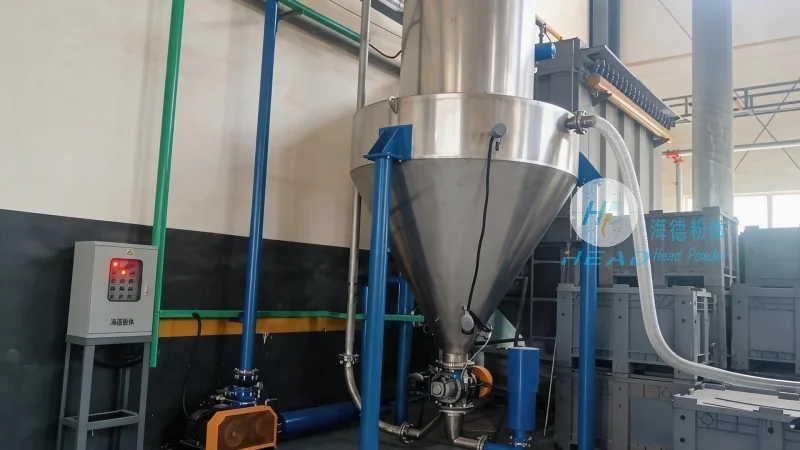
6. Selection Criteria for Lime Transport Methods
The choice of lime transport method depends on several factors, including the material's properties (such as particle size, moisture content, and density), the distance to be covered, the required capacity, and the environmental considerations. For example, pneumatic conveying is ideal for fine lime particles and requires minimal space, while belt conveyors are suitable for large quantities over long horizontal distances. The Shandong HeadPowder Engineering Co., Ltd. assists clients in evaluating these factors and selecting the most appropriate lime transport method for their specific needs, ensuring optimal performance and cost-effectiveness.
Conclusion
In conclusion, the selection of an appropriate lime transport method is crucial for the efficient and safe operation of industrial processes. The HeadPowder Engineering Co., Ltd., with its expertise in bulk material handling, provides a range of transport solutions including pneumatic, belt, hydraulic, screw, and bucket elevators. By considering the specific requirements of each application, clients can choose the most suitable method to transport lime, ensuring optimal performance and minimal operational costs. With a focus on quality and reliability, HeadPowder Engineering Co., Ltd. is committed to delivering innovative and effective lime transport solutions to meet the diverse needs of its clients.