

Common Methods for Transporting Lithium-Ion Battery Nanomaterials
Lithium-ion batteries are at the core of modern energy storage solutions, and the efficient transport of nanomaterials within these batteries is crucial for their performance and longevity. Nanomaterials, such as graphite, silicon, and various metal oxides, play a vital role in the electrode structures of lithium-ion batteries. The proper handling and transport of these nanomaterials during manufacturing and processing are essential to ensure the quality and consistency of the final battery products. This article explores the common methods used for transporting lithium-ion battery nanomaterials, highlighting the key considerations and technologies employed in the industry.
Common Transport Methods for Lithium-Ion Battery Nanomaterials
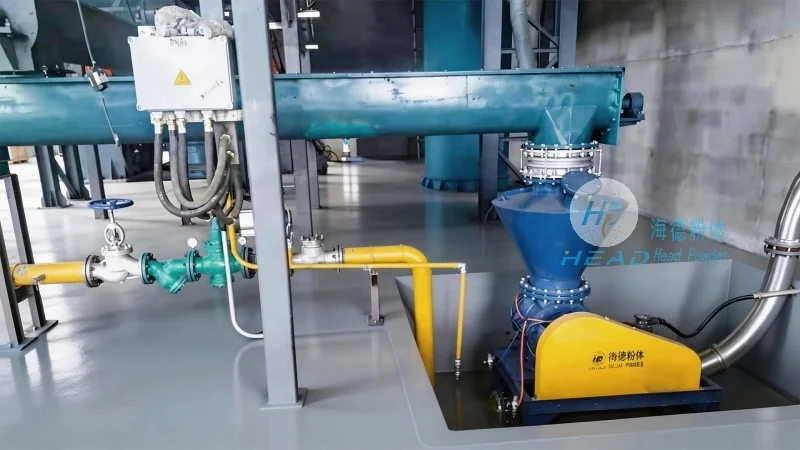
Several methods are widely used in the lithium-ion battery manufacturing industry to transport nanomaterials. These methods are designed to maintain the integrity of the nanomaterials while ensuring efficient and safe handling. The primary methods include pneumatic conveying, screw conveyors, and vacuum systems, each with its own advantages and applications.
Pneumatic Conveying Systems
Pneumatic conveying is a popular method for transporting lithium-ion battery nanomaterials due to its ability to handle fine powders and maintain a clean, dust-free environment. This system uses compressed air to move materials through a pipeline. There are two main types of pneumatic conveying: pressure and vacuum. Pressure systems use positive pressure to push material through the line, while vacuum systems use negative pressure to pull material. Pneumatic conveying is particularly effective for materials that are sensitive to moisture or contamination, as the enclosed system prevents exposure to the external environment. Headpowder, a leading manufacturer in the field, utilizes advanced pneumatic conveying technologies to ensure the reliable transport of nanomaterials for its clients.
Screw Conveyors
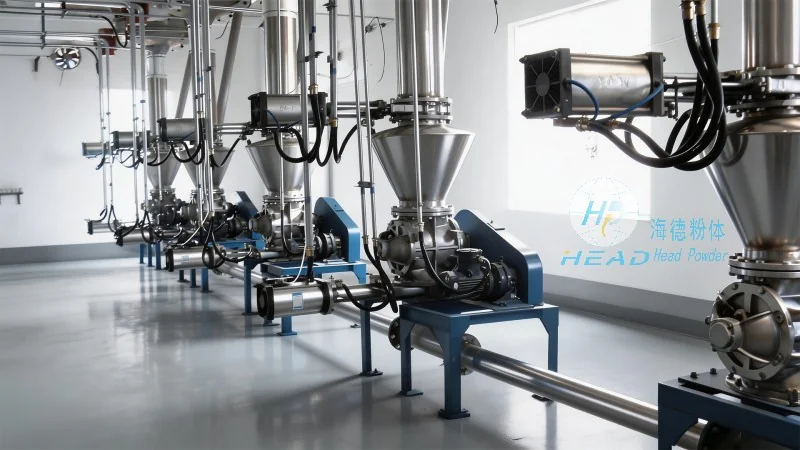
Screw conveyors are another common method for transporting nanomaterials in lithium-ion battery production. These systems use a rotating screw (or auger) to move materials through a tube or trough. Screw conveyors are suitable for a wide range of materials, including powders and granules, and can be used in both horizontal and inclined configurations. They are particularly effective for materials that are not too fine or abrasive, as the screw design helps to prevent clogging. The speed and angle of the screw can be adjusted to control the flow rate and direction of the material. Headpowder's expertise in designing and implementing screw conveyor systems ensures that clients receive tailored solutions that meet their specific processing needs.
Vacuum Conveying Systems
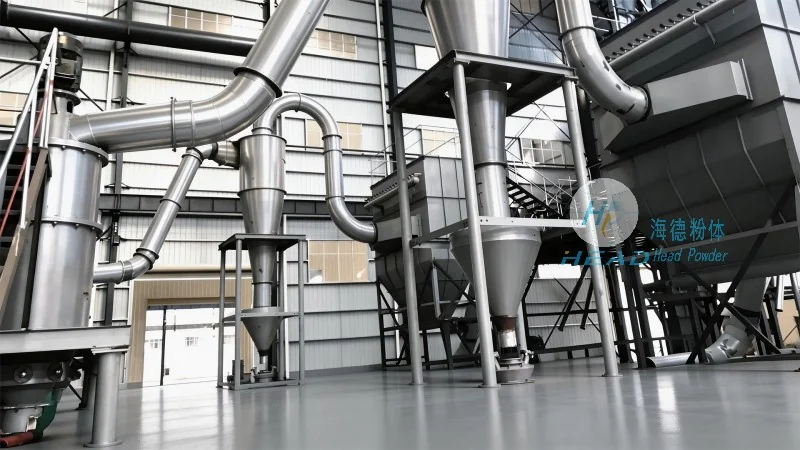
Vacuum conveying systems are used for materials that are difficult to handle with other methods, such as those that are hygroscopic or have a tendency to form clumps. These systems use a vacuum to draw material into a container or pipeline. The material is then transported to the desired location, where it is released under pressure. Vacuum conveying is often used for materials that require a dust-free environment, as the system is enclosed and prevents particles from escaping. Headpowder's vacuum conveying solutions are designed to handle a variety of nanomaterials, ensuring that the transport process is efficient and safe.
Key Considerations for Nanomaterial Transport
When selecting a transport method for lithium-ion battery nanomaterials, several factors must be considered. The first is the material's properties, such as particle size, moisture content, and abrasiveness. These properties will determine the most suitable conveying system. The second factor is the required flow rate and distance of transport. The third is the need for a clean or dust-free environment, which may require an enclosed system like pneumatic or vacuum conveying. The fourth is the cost and maintenance requirements of the system. Headpowder takes all these factors into account when designing transport solutions for its clients, ensuring that the chosen method is both effective and economical.
Conclusion
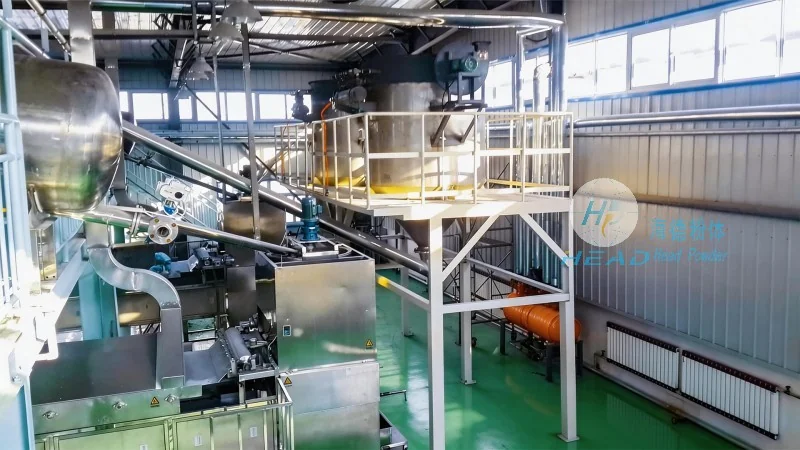
The efficient transport of lithium-ion battery nanomaterials is a critical step in the battery manufacturing process. The methods discussed, including pneumatic conveying, screw conveyors, and vacuum systems, each offer unique advantages and are selected based on the specific needs of the material and the application. Headpowder, with its expertise in nanomaterial handling and transport, provides comprehensive solutions to ensure that clients can achieve optimal performance and quality in their lithium-ion battery production. By understanding the common transport methods and considering the key factors involved, manufacturers can select the most appropriate system for their needs, leading to improved efficiency and product quality.