

What are the methods for rice bran transport?
Rice bran, a byproduct of rice milling, is a valuable resource utilized across multiple industries, including food, cosmetics, and animal feed. Efficient and reliable transport of rice bran is critical for preserving product quality and ensuring seamless operations within processing facilities. This article explores the common methods employed for rice bran transport, highlighting key considerations and applications of each approach.
Understanding Rice Bran Transport Requirements
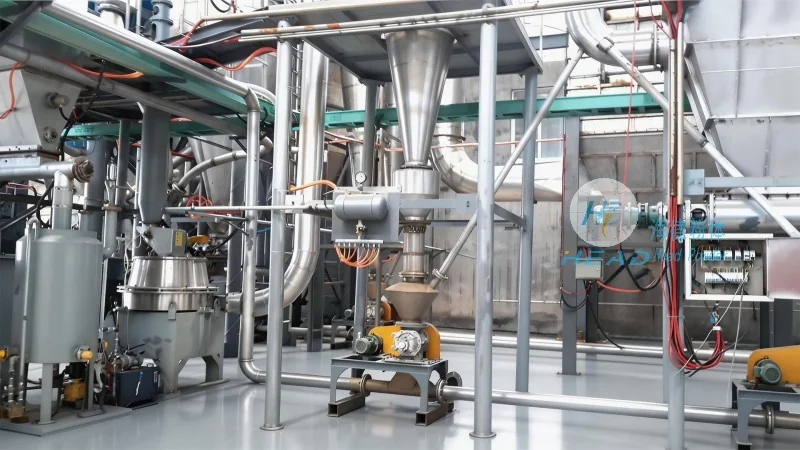
Before examining specific transport methods, it is essential to understand the characteristics of rice bran that influence system selection. Rice bran is typically a fine, powdery material with a relatively low bulk density, making it prone to dust generation and caking during handling. Additionally, the material may contain moisture, which can affect its flow properties and necessitate special handling to prevent spoilage or degradation. These factors require appropriate equipment and systems to ensure safe, efficient transport.
Common Methods for Rice Bran Transport
Several methods are commonly used for rice bran transport, each with distinct advantages and limitations. The choice of transport method depends on factors such as material volume, distance between source and destination, required speed, and the need for containment to prevent dust or spillage. Primary methods include mechanical conveyors, pneumatic (air) conveyors, and bucket elevators.
Mechanical Conveyors for Rice Bran Transport
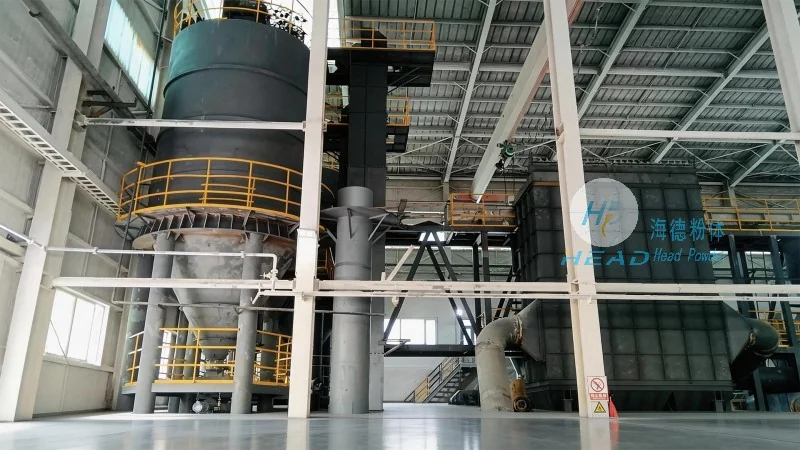
Mechanical conveyors are widely used for rice bran transport due to their simplicity, reliability, and ability to handle large volumes. These systems typically consist of a continuous belt or chain moving material along a fixed path. Common types include belt conveyors and screw conveyors.
Belt conveyors are ideal for horizontal or slightly inclined transport over short to medium distances. They efficiently handle large quantities and integrate easily into existing processing lines. The smooth belt surface prevents material sticking, reducing clogging risk and ensuring consistent flow. However, belt conveyors may not suit vertical transport or very fine powders that fall through gaps.
Screw conveyors (auger conveyors) use a rotating screw to move material along a tube or trough. They excel at vertical or inclined transport, lifting material to higher levels without extra equipment. Suitable for varying moisture content, the screw design maintains consistent flow. However, they experience higher friction and wear, especially with abrasive or sticky materials like rice bran.
Pneumatic (Air) Conveyors for Rice Bran Transport
Pneumatic conveyors use compressed air to transport rice bran in a closed system, ideal for fine powders prone to dust and requiring containment. Classified as positive displacement or pressure differential systems.

Positive displacement pneumatic conveyors use a pump/blower to create high-pressure air, forcing material through pipelines. Capable of long-distance and vertical/horizontal transport, they excel at dust control as material stays contained. However, they require more maintenance and have higher installation costs.
Pressure differential pneumatic conveyors use vacuum to draw material into pipelines. Used for short distances or difficult-to-move materials, they are less expensive to install and maintain but limited to shorter distances and vertical transport.
Bucket Elevators for Rice Bran Transport
Bucket elevators are vertical or inclined conveyors with buckets attached to a chain or belt. Common for vertical transport, especially when lifting to significant heights. Highly efficient, they handle large volumes with minimal space and suit high-moisture or caking materials via bucket design to prevent sticking.
Design variations exist: continuous chains with evenly spaced buckets or belts with attached buckets. Deep buckets are preferred for rice bran to ensure full loading and prevent spillage during transport.
Key Considerations for Selecting a Rice Bran Transport System
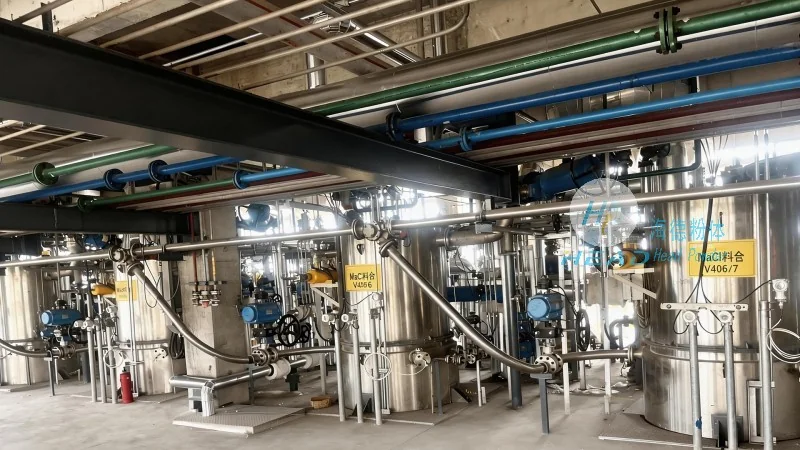
When selecting a system, factors like material volume, source-destination distance, required flow rate, and dust control needs must be evaluated. Volume dictates conveyor size and capacity; distance influences horizontal/vertical/inclined choices. Flow rate varies by application (e.g., feeding to a dryer vs. storage). Dust control is critical for fine powders to avoid respiratory issues or environmental contamination.
Installation and maintenance costs also matter. Mechanical conveyors are cost-effective initially but need frequent cleaning. Pneumatic systems have higher upfront costs but lower operating costs due to long-distance handling with less wear.