

Methods for Transporting Sodium Hydroxide Flakes
Sodium hydroxide flakes, also known as caustic soda flakes, are a vital industrial chemical used in numerous manufacturing processes. The efficient and safe transport of these flakes is a critical aspect for industries that rely on this chemical. This article examines the primary methods used for transporting sodium hydroxide flakes, highlighting the key considerations and best practices for each approach.
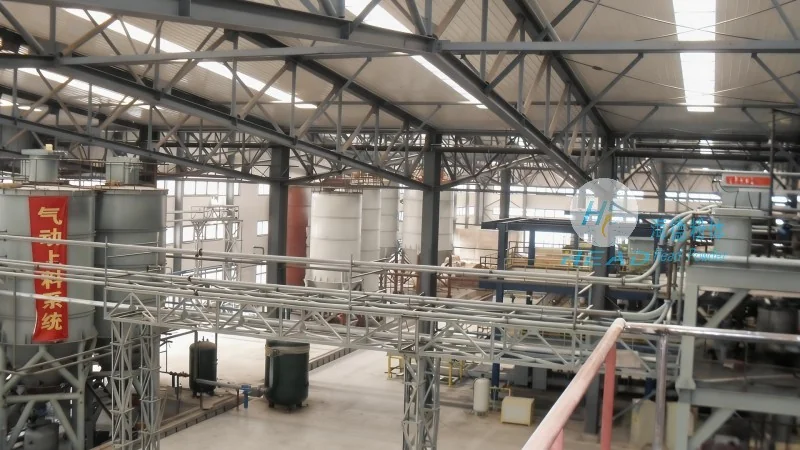
Key Factors in Selecting a Transport Method
When choosing a transport method for sodium hydroxide flakes, several factors come into play. These include the volume of the product, the distance to the destination, the urgency of delivery, and regional environmental regulations. The transport method directly impacts the cost, safety, and speed of delivery. For example, bulk shipments are often more economical via rail or water, while smaller quantities may be better suited for road transport.
1. Road Transport Using Specialized Containers
One of the most common methods for transporting sodium hydroxide flakes is road transport with specialized containers. These containers are engineered to meet the specific chemical handling requirements of caustic soda. They are typically constructed from corrosion-resistant materials like stainless steel or lined with protective coatings to prevent chemical reactions with the container interior. The containers are equipped with secure closures and ventilation systems to ensure safe handling during transit. This method is ideal for short to medium distances and offers flexibility in reaching various locations, including remote industrial sites. The process involves loading the flakes into the containers at the production facility, securing them for the journey, and delivering them directly to the customer's site. Road transport minimizes the need for intermediate storage and handling, reducing the risk of contamination or degradation.
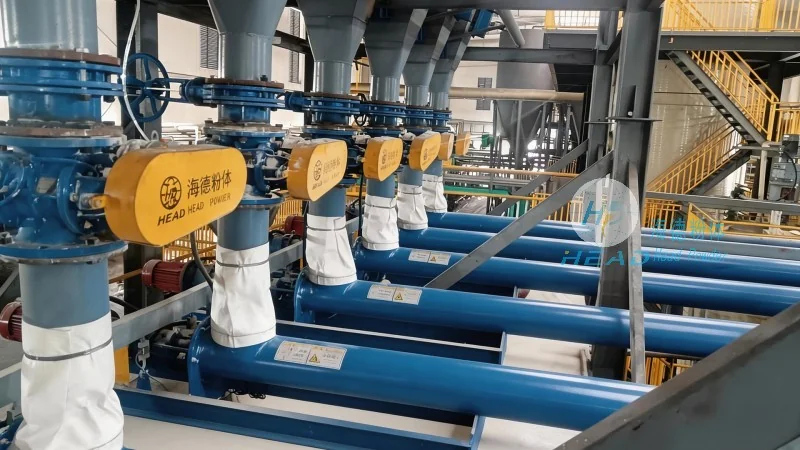
2. Rail Transport via Bulk Carriers
For larger volumes of sodium hydroxide flakes, rail transport provides a cost-effective and efficient solution. Specialized railcars, often called bulk carriers or tank cars, are used to transport the chemical. These railcars are designed to carry substantial quantities of solid chemicals and are equipped with features to maintain product integrity during transit. They are typically insulated to prevent temperature fluctuations and have secure loading mechanisms to keep the flakes stable. This method is particularly advantageous for long-distance transport, as it can cover large distances with minimal handling. Rail transport also offers a lower carbon footprint compared to road transport for high-volume shipments, making it a more sustainable option for many industrial applications. The process includes loading the flakes into the railcars at the production plant, transporting them to a rail terminal, and then transferring them to the customer's location via road or rail connections.
3. Water Transport in Bulk Vessels
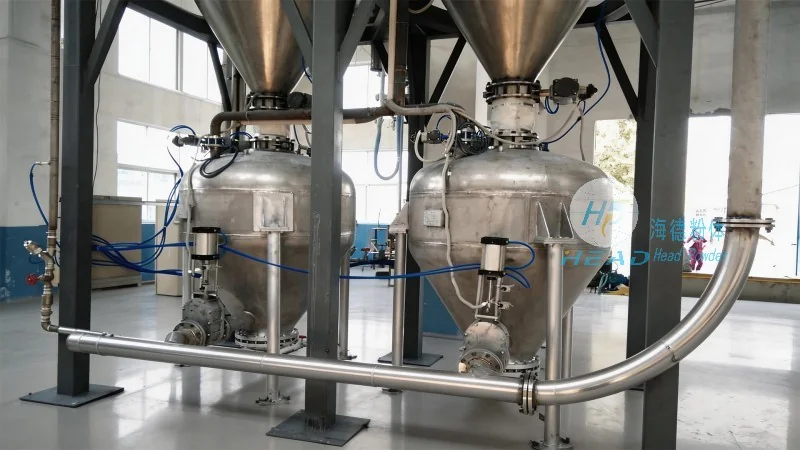
For very large-scale shipments, water transport via bulk vessels is the most economical method. These vessels are specifically designed to carry bulk chemicals and can accommodate massive quantities of sodium hydroxide flakes. The transport process involves loading the flakes into the vessel's holds, which are equipped with protective linings and ventilation systems. The vessels are often outfitted with specialized equipment to ensure the safe and efficient unloading of the product at the destination port. Water transport is ideal for international or long-distance domestic shipments, as it can move large volumes of product over long distances at a lower cost per unit compared to other methods. However, this method requires additional logistics for loading and unloading, including port facilities and specialized handling equipment. Environmental considerations are also critical, as the transport of bulk chemicals by water must comply with strict regulations to prevent spills and contamination of water bodies.
4. Specialized Handling and Storage Considerations
Regardless of the transport method chosen, specialized handling and storage considerations are essential for maintaining the quality and safety of sodium hydroxide flakes. The chemical is highly corrosive and can react with certain materials, so all equipment used in the transport process must be compatible. This includes containers, pipelines, and loading/unloading equipment. Proper ventilation is crucial to prevent the accumulation of fumes, which can be hazardous to personnel. Temperature control is also important, as sodium hydroxide flakes can be sensitive to extreme temperatures, which may affect their physical properties or reactivity. The transportation process must adhere to strict safety protocols, including the use of personal protective equipment (PPE) by handlers and the implementation of emergency response plans in case of spills or accidents. These considerations ensure that the product remains in optimal condition throughout the transport process and reaches the customer in a safe and usable state.
Conclusion
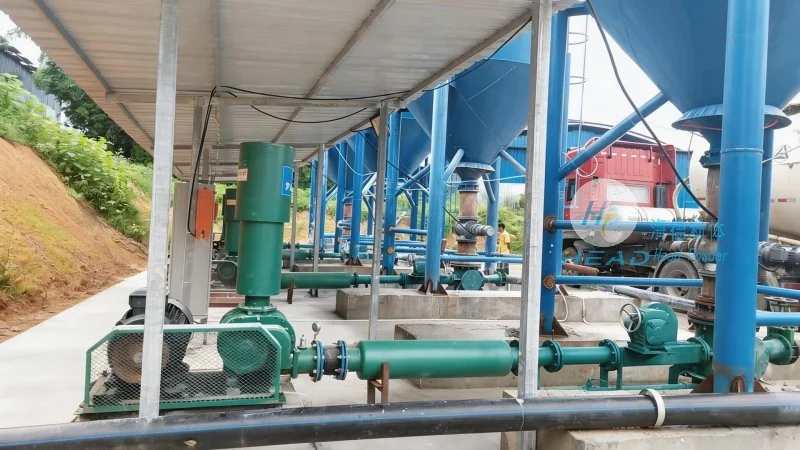
In summary, the transport of sodium hydroxide flakes can be achieved through various methods, each with its own advantages and considerations. Road transport offers flexibility and direct delivery, while rail and water transport are more suitable for large-scale, long-distance shipments. The choice of method depends on factors such as quantity, distance, and cost. By selecting the appropriate transport method and adhering to best practices for handling and storage, industries can ensure the safe and efficient delivery of sodium hydroxide flakes. This is essential for maintaining the reliability of manufacturing processes and meeting the demands of customers who rely on this critical chemical.