

How to Transport Potassium Carbonate?
When it comes to the transportation of potassium carbonate, there are several effective methods that can be employed to ensure safe and efficient delivery. Understanding these options is crucial for businesses dealing with this chemical, as the choice of method can impact logistics, cost, and safety.
1. Pipeline Transportation
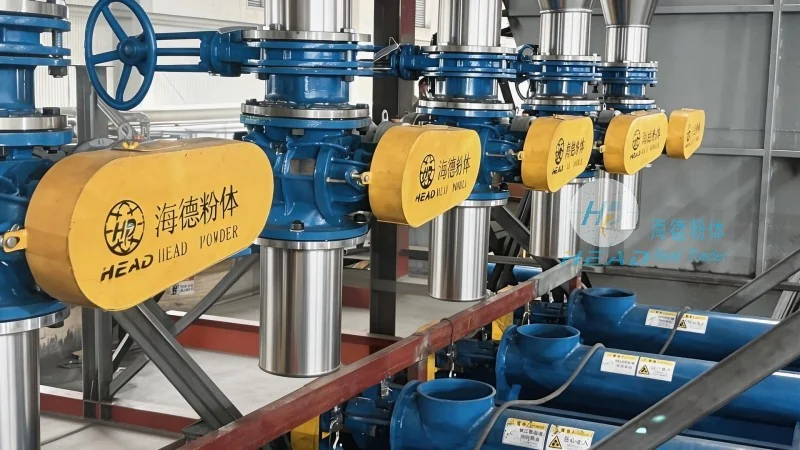
Pipeline transport is a common and efficient method for moving potassium carbonate, especially over long distances. This method involves pumping the material through a network of pipes. The advantages of pipeline transportation include reduced labor costs, lower risk of spillage compared to road or rail transport, and the ability to maintain a consistent flow rate. For companies like Shandong HeadPowder Engineering Co., Ltd., which specializes in chemical processing and logistics, pipeline systems can be integrated into existing infrastructure to streamline the supply chain.
2. Tank Truck Transportation
Another widely used method is the use of tank trucks for transporting potassium carbonate. These specialized vehicles are designed to carry bulk quantities of the chemical. The process typically involves loading the material into the tank truck at the production facility and then transporting it to the customer's location. Tank trucks offer flexibility in terms of delivery, as they can reach various destinations, including industrial sites and ports. The team at HeadPowder, based in Shandong, China, has extensive experience in managing tank truck logistics, ensuring compliance with safety regulations and timely deliveries.
3. Packaging and Bulk Container Transport
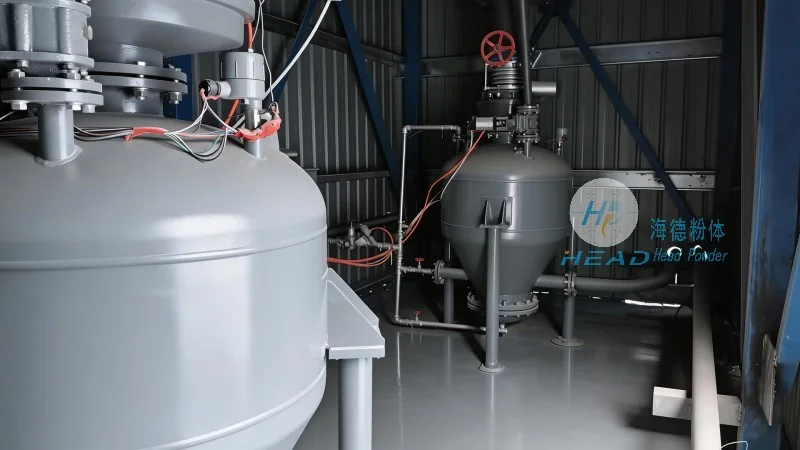
For smaller quantities or when the destination is not easily accessible by pipeline or tank truck, packaging and bulk container transport may be more suitable. Potassium carbonate can be packaged in bags, drums, or other containers, which are then loaded onto trucks or ships. This method is particularly useful for distributing the chemical to retail or smaller industrial clients. Shandong HeadPowder Engineering Co., Ltd. provides packaging services tailored to different customer needs, ensuring that the product is protected during transit and meets all quality standards.
4. Specialized Handling and Safety Measures
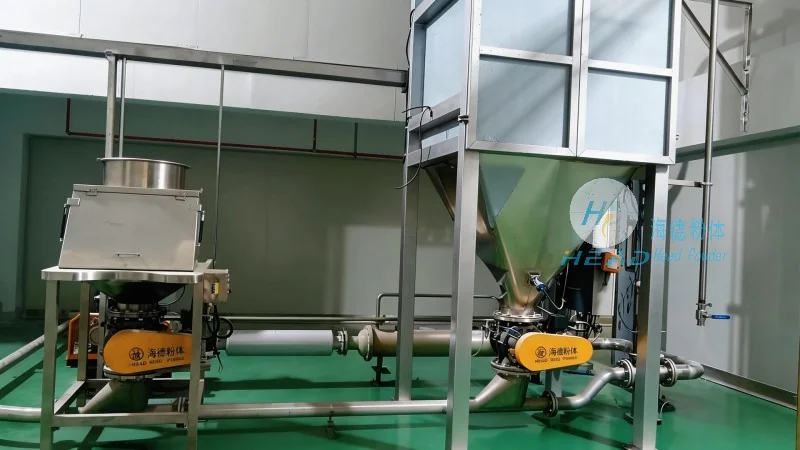
Regardless of the transportation method chosen, safety is paramount when handling potassium carbonate. This chemical is generally stable but can be hazardous if not handled properly. Companies like HeadPowder implement strict safety protocols, including the use of appropriate personal protective equipment (PPE) for drivers and handlers, regular maintenance of transport equipment, and adherence to local regulations. The company's location in Shandong, China, allows it to leverage regional infrastructure and expertise in chemical logistics, enhancing the overall efficiency of the transportation process.
5. Integration with Supply Chain Management
Effective transportation of potassium carbonate also involves integrating with broader supply chain management strategies. This includes coordinating with suppliers, tracking shipments in real-time, and managing inventory levels. By optimizing these processes, businesses can reduce lead times and improve customer satisfaction. HeadPowder Engineering Co., Ltd. offers comprehensive logistics solutions that encompass transportation, warehousing, and distribution, helping clients to streamline their operations and enhance competitiveness in the market.