

What Are the Methods for Potassium Sulfate Transportation?
When it comes to transporting potassium sulfate, selecting the right method is crucial for ensuring efficiency, safety, and cost-effectiveness. As a leading provider in the field, Shandong HeadPowder Engineering Co., Ltd. (referred to as HeadPowder) offers a range of reliable transportation solutions tailored to meet diverse industrial needs. This article explores the various methods available for potassium sulfate transportation, highlighting their advantages and practical applications.
1. Pipeline Transportation: The Most Efficient Option
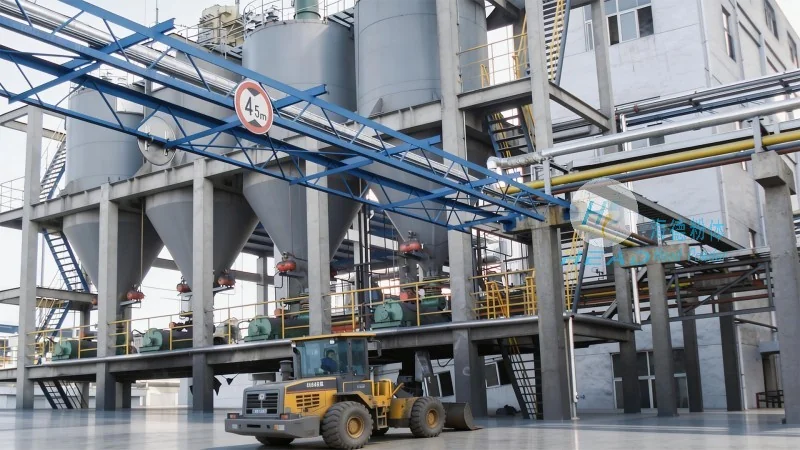
Pipeline transportation is widely regarded as one of the most efficient and cost-effective methods for moving large volumes of potassium sulfate over long distances. This method involves pumping the material through a network of pipelines, which can be buried underground or laid above ground. The primary advantages of pipeline transport include reduced labor costs, minimized risk of product contamination, and enhanced safety compared to other modes of transport. For industries that require continuous and uninterrupted supply, pipeline systems are an ideal choice. HeadPowder specializes in designing and implementing customized pipeline solutions that ensure optimal flow rates and minimal pressure loss, ensuring that potassium sulfate reaches its destination in pristine condition.
2. Tank Truck Transportation: Versatile and Flexible
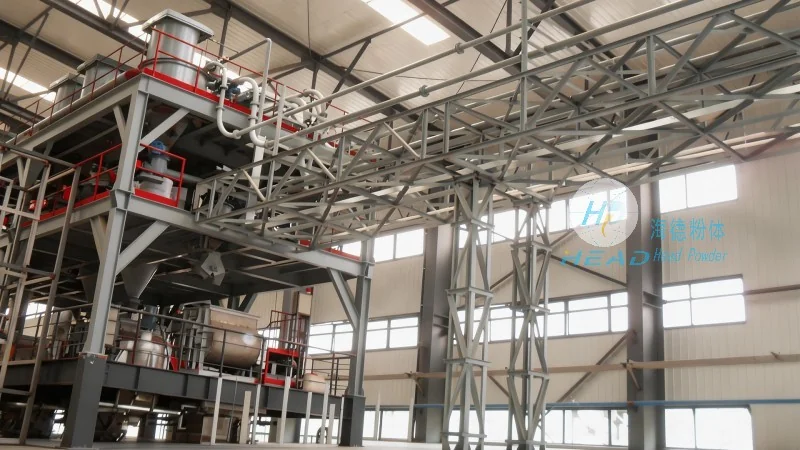
Tank truck transportation is another common method for moving potassium sulfate, particularly for medium to large-scale shipments. Tank trucks are equipped with specialized containers designed to handle bulk liquid or dry bulk materials, ensuring that the product remains stable during transit. This method offers flexibility in terms of delivery schedules and can be used for both local and regional transport. The tank trucks used by HeadPowder are constructed from high-quality materials that are resistant to corrosion and chemical reactions, providing a secure environment for potassium sulfate. Additionally, the company ensures that all tank trucks are regularly inspected and maintained to meet industry safety standards, minimizing the risk of spills or leaks.
3. Container Transportation: Ideal for International and Intermodal Shipping
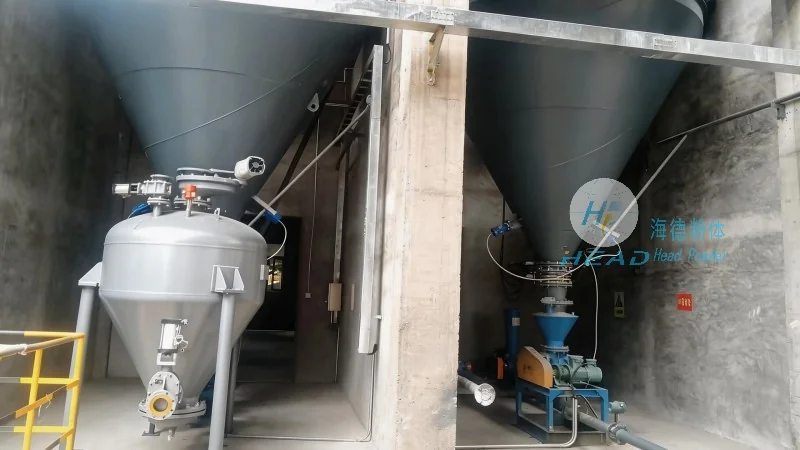
For international or intermodal shipping, container transportation is often the preferred method for potassium sulfate. Containers are designed to be stacked and transported via various modes of transport, including ships, trains, and trucks. This flexibility makes container transport suitable for global supply chains. HeadPowder utilizes standard 20-foot or 40-foot containers that are lined with protective materials to prevent damage to the potassium sulfate during transit. The containers are also equipped with ventilation systems to maintain proper moisture levels, which is critical for preserving the quality of the product. This method allows for seamless integration with other logistics operations, ensuring that potassium sulfate can be delivered to international markets efficiently.
4. Bulk Bag and Bulk Truck Transportation: Suitable for Smaller Volumes
Bulk bag and bulk truck transportation is a practical solution for smaller volumes of potassium sulfate, often used for local deliveries or for industries with limited storage capacity. Bulk bags, also known as super sacks, are large, flexible containers that can hold significant quantities of bulk material. They are easy to handle and can be loaded directly into trucks or storage facilities. Bulk truck transportation involves using specialized trucks equipped with bulk loading systems, which allow for efficient transfer of potassium sulfate from the truck to the destination. This method is particularly advantageous for industries that require frequent deliveries or have limited storage space. HeadPowder provides bulk bags and trucks that are designed to meet the specific requirements of potassium sulfate, ensuring that the product is handled with care and delivered on time.
5. Specialized Equipment and Safety Measures
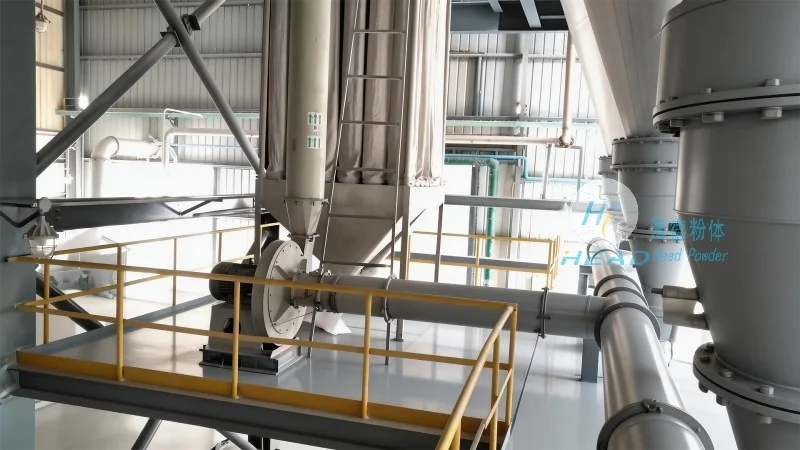
Regardless of the transportation method chosen, safety and equipment are paramount when handling potassium sulfate. Potassium sulfate is a non-toxic, odorless, and water-soluble compound, but it can still pose challenges during transport if not handled properly. HeadPowder emphasizes the use of specialized equipment such as anti-corrosive pipelines, sealed containers, and proper ventilation systems to maintain the quality and safety of the product. The company also adheres to strict safety protocols, including regular maintenance of equipment, training of personnel, and compliance with local regulations. This commitment to safety ensures that potassium sulfate is transported in a manner that minimizes environmental impact and protects both workers and the end-users.