

Which Methods Can Be Used for Feed Pellet Conveying?
When it comes to transporting feed pellets, selecting the right conveying method is crucial for efficiency and cost-effectiveness in animal feed production. The choice of method depends on various factors such as the type of feed, production scale, and the layout of the facility. Here, we explore several common approaches used for feed pellet conveying, providing insights into their applications and benefits, with a focus on solutions provided by Shandong HeadPowder Engineering Co., Ltd., a leading manufacturer based in Shandong, China.
Gravity Conveying Systems
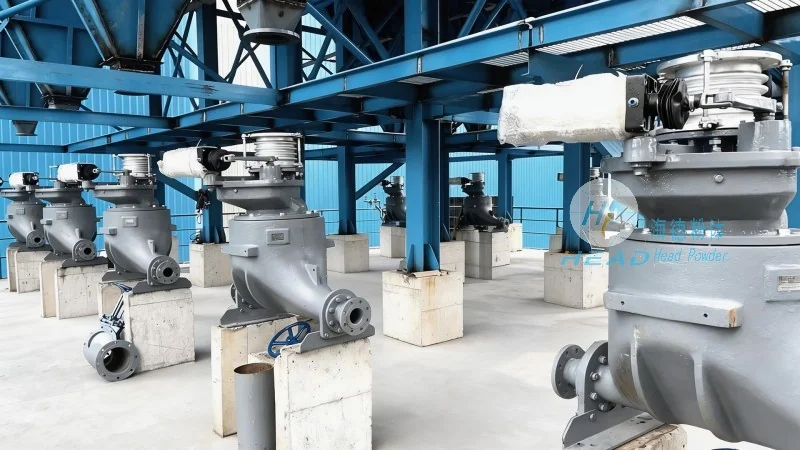
Gravity conveying, also known as pneumatic or air-based systems, utilizes air to move feed pellets through a network of pipes. This method is particularly effective for long-distance transport and can handle a wide range of pellet sizes. The system typically consists of a hopper, a blower, and a series of vertical and horizontal pipes. As the pellets are fed into the system, the air flow lifts and propels them to the desired location. One of the key advantages of gravity conveying is its ability to operate with minimal maintenance, as there are fewer moving parts compared to mechanical systems. However, it requires a consistent air supply and may not be suitable for very heavy or abrasive pellets that could cause wear on the pipes.
Mechanical Conveying Methods
Mechanical conveying systems rely on physical components like screws, belts, and buckets to move feed pellets. These methods are often preferred for shorter distances and when precise control over the feed flow is needed. The most common types include screw conveyors, belt conveyors, and bucket elevators. Screw conveyors use a rotating screw to push pellets forward, making them ideal for vertical and horizontal transport. They are compact and can be easily integrated into existing feed processing lines. Belt conveyors, on the other hand, use a continuous belt to transport pellets, which is suitable for high-volume applications. These systems are known for their durability and ability to handle a variety of feed types without causing damage. Bucket elevators use a series of buckets attached to a chain or belt to lift pellets vertically. They are efficient for vertical transport and can handle large quantities of feed, making them a popular choice in feed mills.
Hybrid Conveying Solutions
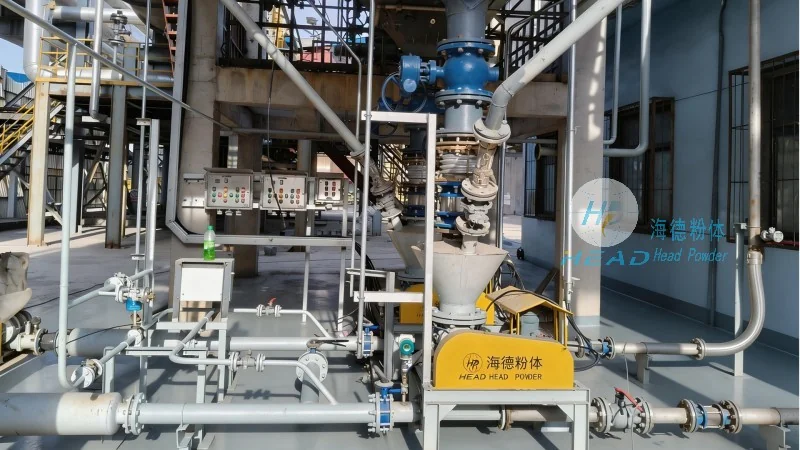
In many feed production facilities, a combination of gravity and mechanical conveying is used to optimize the overall process. For example, a gravity system might be used for the initial transport from the pelletizer to a storage silo, while a mechanical conveyor is employed for the final distribution to feeding stations. This hybrid approach allows for flexibility and can adapt to changing production demands. The integration of both systems can also help reduce energy consumption and maintenance costs by leveraging the strengths of each method. For instance, using gravity for the main transport reduces the need for constant mechanical power, while mechanical conveyors handle the final stages where precise control is essential.
Factors to Consider When Choosing a Conveying Method
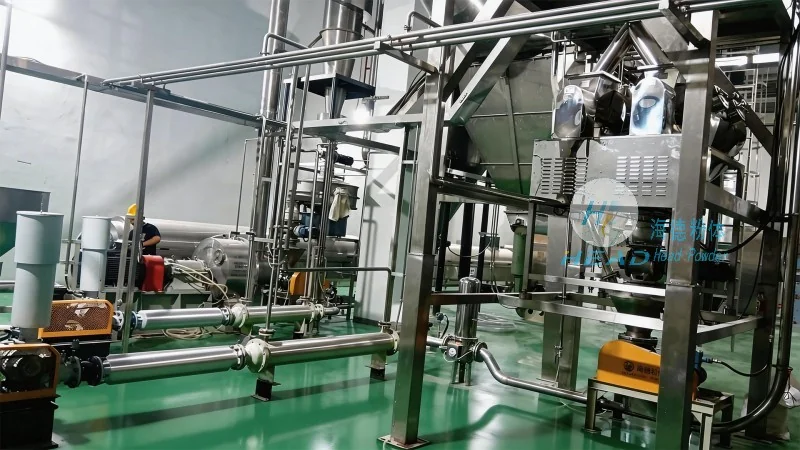
When selecting a feed pellet conveying method, several factors must be taken into account. The first is the physical properties of the pellets, such as their size, shape, and density. Pellets that are too large or irregularly shaped may not be suitable for certain conveying systems, as they could cause blockages or increased wear. The production volume is another critical factor, as high-volume operations may require more robust and efficient systems. The layout of the facility also plays a role, as the distance and direction of transport will influence the choice of method. For example, a facility with a long horizontal transport requirement might opt for a belt conveyor, while a vertical lift might use a bucket elevator. Additionally, the budget and available space are important considerations, as different systems have varying capital and operational costs. By carefully evaluating these factors, feed manufacturers can choose the most appropriate conveying method to ensure smooth and efficient operations.
Conclusion
Choosing the right feed pellet conveying method is essential for the success of any animal feed production operation. Whether using gravity, mechanical, or hybrid systems, each approach has its own advantages and limitations. By considering the specific needs of the facility, including pellet characteristics, production volume, and facility layout, manufacturers can select a system that maximizes efficiency, reduces costs, and ensures consistent feed delivery. As the feed industry continues to evolve, the development of advanced conveying technologies will further enhance the capabilities of feed processing facilities, enabling more efficient and sustainable operations.